
(An outsider’s observation of Korea’s world-class transit culture)
When foreigners first arrive in Korea, one of the most surprising experiences is how incredibly efficient, clean, and reliable the public transportation system is.
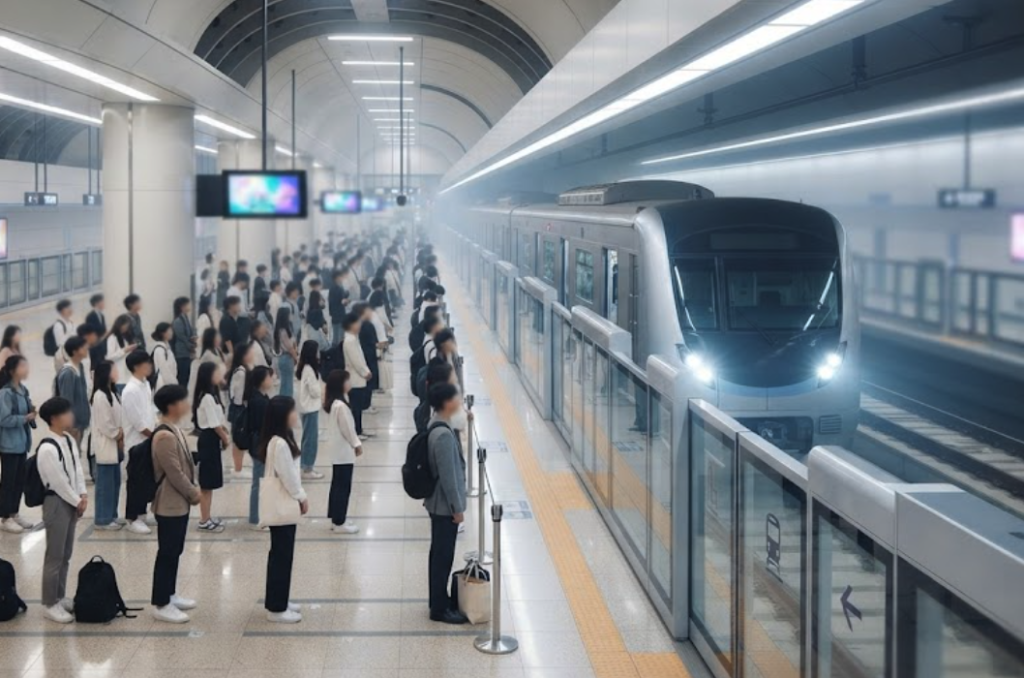
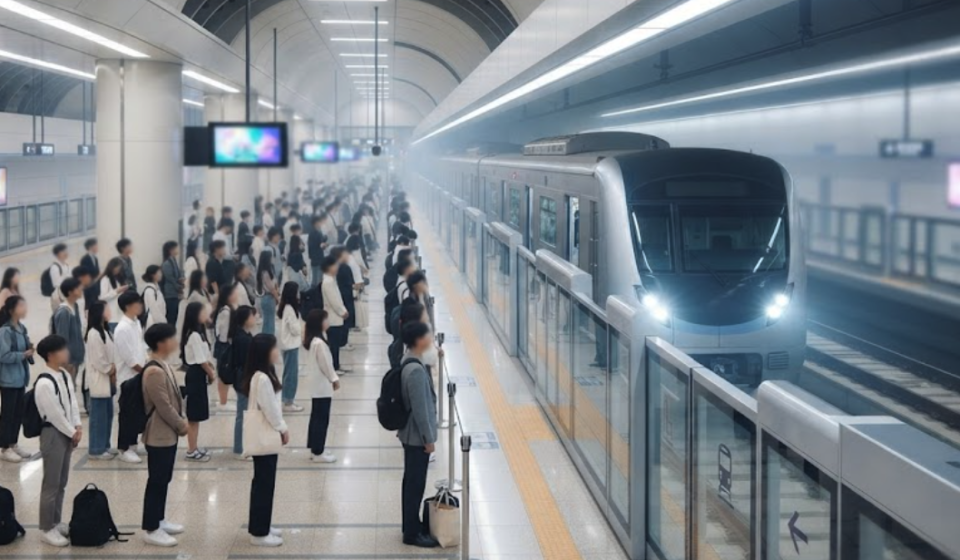
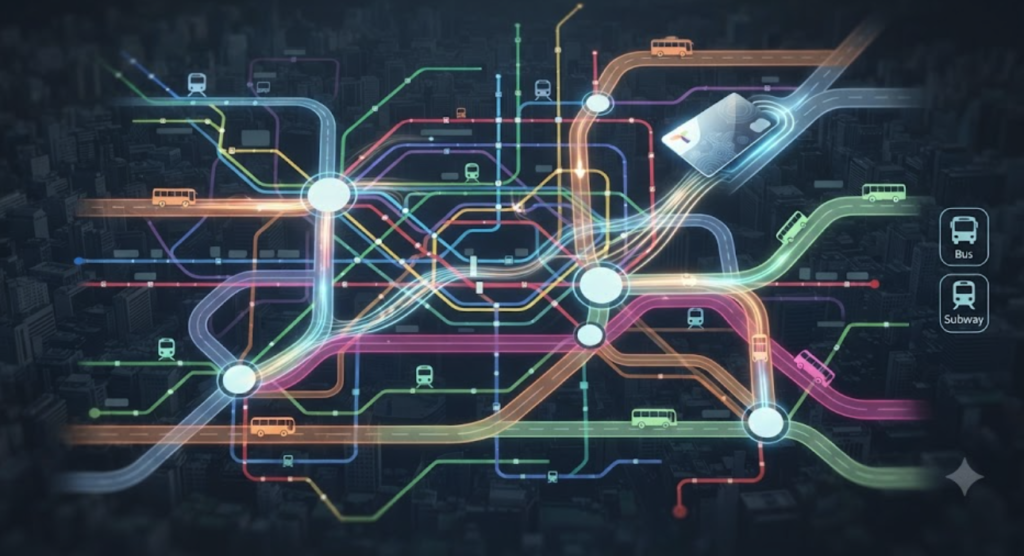
Whether it’s the subway, bus, or intercity trains, Korea’s transit network feels like a perfectly synchronized machine—one that quietly supports millions of people every day.
As an outsider living in Korea, you quickly realize that public transportation is not just a way to move around.
It’s a lifestyle.
It shapes how people work, socialize, travel, and even think about time.
This article explores Korea’s public transportation culture from a foreigner’s perspective—why it works so well, how people use it, and what makes it one of the most impressive systems in the world.
🌐 1. The First Impression: Everything Just Works
Foreigners often describe their first Korean subway ride like this:
“I didn’t need to plan anything. I just went—and everything worked.”
Korea’s public transportation system is built on three pillars:
- Speed
- Reliability
- Predictability
Trains arrive exactly when the schedule says they will.
Buses follow precise routes.
Transfers are seamless.
And delays are rare enough to be memorable.
For someone used to unpredictable transit systems, Korea feels almost futuristic.
🚇 2. The Subway: The Backbone of Korean Urban Life
Korea’s subway system is one of the most advanced in the world.
✔ Clean
Stations and trains are spotless.
Trash cans are rare because people don’t litter.
✔ Quiet
People speak softly.
Phone calls are rare.
No loud music.
✔ Safe
CCTV everywhere.
Bright lighting.
Security staff in major stations.
✔ Fast
Trains arrive every 3–5 minutes during peak hours.
✔ Air-conditioned and heated
Summer heat and winter cold are never a problem.
✔ Universal Wi-Fi
High-speed internet even underground.
Foreigners often say:
“Korean subways feel like airports.”
🔄 3. The Transfer System: Korea’s Secret Weapon
One of the most impressive features is the 환승 시스템 (transfer system).
✔ One card for everything
You tap once with a transportation card (교통카드) and move freely between:
- Subway
- Bus
- Express bus
- Some taxis
- Even convenience stores
✔ Free or discounted transfers
Switching from subway → bus or bus → subway often costs ₩0 ~ ₩300.
✔ No need to re-tap
If you stay within the transfer time limit (usually 30 minutes), the system automatically calculates the cheapest fare.
✔ Transfer-friendly station design
Stations are built to minimize walking distance.
Foreigners often say:
“I’ve never seen a transfer system this smooth.”
💳 4. Transportation Cards: The Magic of T-money & Cashbee
Korea’s transportation cards are more than just transit passes.
✔ They work everywhere
- Subways
- Buses
- Taxis
- Convenience stores
- Vending machines
- Some cafés
- Some parking lots
✔ Recharge anywhere
Convenience stores
Subway stations
Kiosks
Apps (for Korean bank accounts)
✔ No need for language
Just tap and go.
✔ Foreigners love it
Because it removes all friction from daily life.
🚌 5. The Bus System: Organized Chaos That Works
Korean buses look chaotic at first—so many routes, colors, and numbers.
But once you understand the system, it becomes incredibly logical.
✔ Color-coded buses
- Blue: Long-distance city routes
- Green: Short-distance neighborhood routes
- Yellow: Circular routes
- Red: Express buses to Seoul suburbs
✔ Real-time arrival
Apps show exactly when the bus will arrive.
✔ Precise stops
Drivers stop at the exact designated point.
✔ Polite boarding culture
People wait in line.
No pushing.
✔ Payment flexibility
Tap when boarding → tap when exiting.
Foreigners often say:
“Korean buses feel like part of a giant, perfectly timed network.”
🚆 6. Intercity Travel: KTX, SRT, and the Art of Punctuality
Korea’s high-speed trains are world-class.
✔ KTX & SRT
Travel from Seoul to Busan in 2 hours.
✔ Always on time
Delays are extremely rare.
✔ Comfortable
Wide seats
Quiet cabins
Clean restrooms
Wi-Fi
✔ Affordable
Compared to Europe or Japan, prices are reasonable.
Foreigners often say:
“Korean trains feel like time travel.”
🧭 7. Navigation Apps: The Digital Brain Behind the System
Korea’s public transportation is powered by apps like:
- Naver Map
- Kakao Map
- Kakao T
- Subway Korea
These apps show:
- Real-time bus arrival
- Subway congestion levels
- Transfer routes
- Walking distance
- Fare calculation
- Exit numbers
- Platform directions
Foreigners often say:
“Korean navigation apps feel like they know exactly where I want to go.”
🧑🤝🧑 8. The Human Side: How Koreans Use Public Transportation
Observing Koreans on public transit reveals cultural patterns.
✔ Quiet behavior
People avoid disturbing others.
✔ Efficiency
Everyone moves quickly but calmly.
✔ Respect
Priority seats are respected.
People line up neatly.
✔ Convenience culture
Transit is integrated with daily life:
- Buying coffee
- Shopping
- Eating
- Charging phones
- Meeting friends
Public transportation is not just movement—it’s part of the social rhythm.
🛡️ 9. Safety: Why Foreigners Feel Comfortable
Korea’s public transportation feels safe because of:
- CCTV
- Bright lighting
- Frequent staff presence
- Predictable schedules
- Crowds even late at night
- Clear signage
- Emergency buttons
Foreigners often say:
“I feel safer on Korean public transit than anywhere else.”
🌅 10. Why Korea’s Public Transportation Lifestyle Is World-Class
From an outsider’s perspective, Korea’s transit system stands out because it is:
- Efficient
- Predictable
- Affordable
- Clean
- Safe
- Digitally integrated
- Culturally respected
It’s not just infrastructure—it’s a lifestyle that shapes how people live.
Korea’s public transportation is one of the strongest reflections of the country’s values:
- Order
- Speed
- Convenience
- Community
- Respect
- Technology
For foreigners living in Korea, it becomes one of the most beloved parts of daily life.
🔗 Recommended Links
https://koreaseoulinfo.com/