

Why Are More Japanese Women Interested in Korean Men? The Cultural Shift Behind a Growing Trend

For decades, Japan was viewed by many Koreans as one of Asia’s most advanced and desirable places to live.

A strong economy, world-famous brands, and a reputation for high living standards made Japan an attractive destination for work, study, and even marriage.
Today, however, some observers argue that the perception among younger generations has begun to change.
In recent years, discussions about Japanese women showing increased interest in Korean culture, Korean society,
and even relationships with Korean men have appeared more frequently online. While this does not represent all Japanese women, it raises an interesting question.
Why has Korea become more appealing to younger Japanese generations, and what factors might be driving this cultural shift?
Korea Feels More Familiar Than Ever Before
One of the biggest changes over the past decade has been access to information.
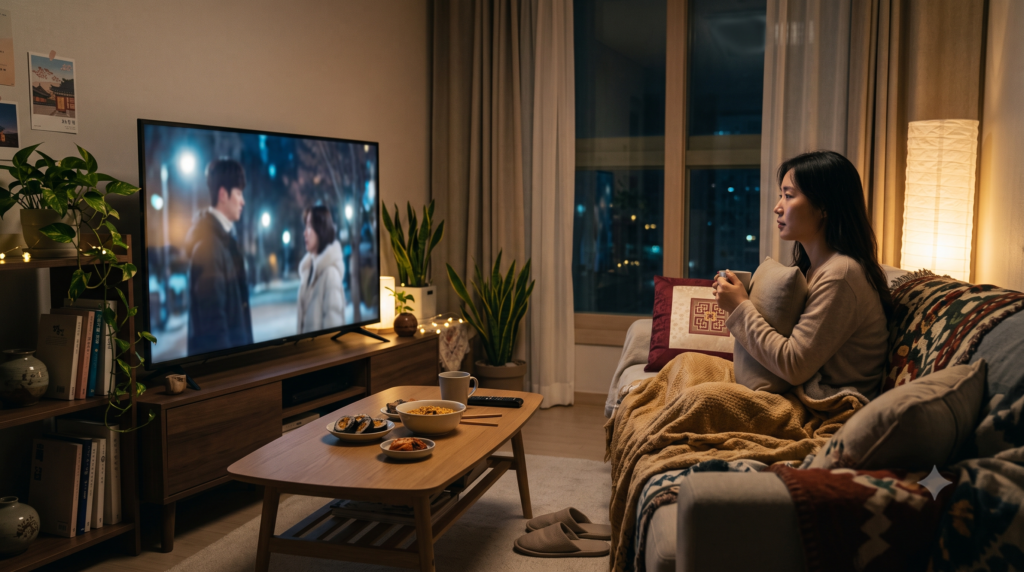
In the past, people largely depended on television, newspapers, and official media to learn about other countries.
As a result, perceptions were often shaped by limited sources.
Today, social media platforms have changed everything.
Japanese users can instantly watch videos showing daily life in Seoul, Busan, and other Korean cities.
They can see public transportation systems, cafes, shopping districts, restaurants, and residential neighborhoods without ever leaving Japan.
Travel vloggers and influencers frequently post content highlighting life in Korea, making the country feel more accessible and familiar.
This constant exposure has helped reduce the sense of distance that once existed between the two countries.
Instead of seeing Korea as an unfamiliar foreign nation, many younger Japanese people increasingly view it as a nearby country with a modern lifestyle that they can easily understand and relate to.
The Powerful Influence of K-Pop and K-Dramas
Few cultural exports have been as influential as Korean entertainment.
K-pop has developed into a global phenomenon, and Japan remains one of its largest markets.
Korean music groups regularly perform in major Japanese cities and attract enormous audiences.
At the same time, Korean dramas have achieved widespread popularity.
While earlier generations may remember the success of “Winter Sonata,” younger audiences have experienced more recent hits such as “Crash Landing on You,” “Itaewon Class,” and many others.
These dramas do more than entertain.
They introduce viewers to Korean lifestyles, social values, relationships, family dynamics, and communication styles.
Repeated exposure creates familiarity.
When people spend years consuming content from another culture, they naturally become more interested in that society and the people who live there.
This cultural familiarity can reduce the psychological barriers that often exist toward international relationships.
A Changing Economic Image of Korea
Economic perceptions also play a role.
For many years, Japan was widely viewed as Asia’s dominant economic power.
While Japan remains one of the world’s largest economies, younger generations have also witnessed Korea’s rapid development.
Global technology companies, advanced semiconductor manufacturing, modern urban infrastructure, and growing cultural exports have contributed to Korea’s international reputation.
As a result, many younger Japanese people no longer view Korea through outdated economic stereotypes.
Instead, Korea is often seen as a technologically advanced and economically stable country.
This shift in perception may make the idea of living, working, or even starting a family in Korea feel less intimidating than it might have appeared decades ago.
How Korean Men Are Portrayed in Popular Culture
Popular culture also shapes perceptions of people.
Many Korean dramas portray male characters as emotionally expressive, romantic, attentive, and willing to openly communicate their feelings.
Of course, television characters do not perfectly reflect reality.
However, media representations often influence first impressions.
Some Japanese viewers describe Korean men as more direct in expressing affection and emotions. Others feel that Korean culture encourages active communication within relationships.
Whether these perceptions are completely accurate or not, they contribute to the curiosity that many viewers develop after years of exposure to Korean entertainment.
Media cannot determine real-life relationships, but it certainly influences how people imagine them.
Cultural Differences Still Exist
Despite growing cultural exchange, significant differences remain between Korean and Japanese society.
One commonly discussed difference involves communication styles.
Japanese culture is often associated with indirect communication and careful consideration of social harmony. People may avoid expressing disagreement too openly in order to maintain smooth relationships.
Korean communication, on the other hand, is frequently viewed as more direct.
People may openly express their opinions, frustrations, or emotions during everyday conversations.
For some Japanese women, this directness can feel refreshing and honest.
For others, it can be surprising or difficult to adjust to.
Cross-cultural relationships often require both sides to understand and respect these differences rather than expecting complete similarity.
Family Culture Can Be Very Different
Family expectations are another area where differences may appear.
In Japan, married couples often live relatively independent lives after marriage. Parents generally maintain some distance and avoid excessive involvement in their children’s personal decisions.
Korean families sometimes operate differently.
Parents and adult children often maintain close relationships, and family members frequently support each other with housing, childcare, financial advice, and everyday responsibilities.
Some people view this as a strength because it creates strong support networks.
Others may find it challenging because family involvement can sometimes feel overwhelming.
When international couples navigate these differences successfully, mutual understanding becomes essential.
Technology Has Reduced the Language Barrier
Language used to be one of the biggest obstacles in international relationships.
Today, technology has dramatically reduced that challenge.
Translation applications, AI-powered communication tools, and language learning platforms have made cross-border communication easier than ever before.
At the same time, Korean language education has become increasingly popular in Japan because of interest in Korean entertainment and culture.
Many fans initially begin learning Korean to understand songs or dramas and later become more interested in the language itself.
As communication becomes easier, international friendships and relationships naturally become more common.
Beyond Entertainment: Interest in Korean Society
What began as interest in music and television has gradually expanded into broader curiosity about Korean society.
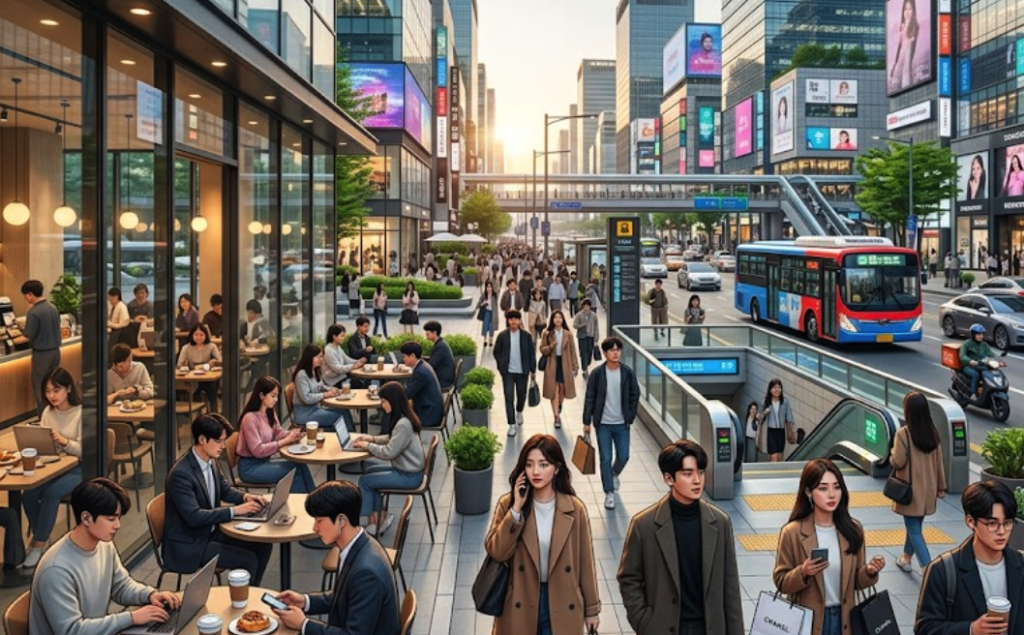
Young Japanese consumers regularly encounter Korean fashion, beauty trends, food culture, technology services, and urban lifestyles through social media.
Many also visit Korea as tourists and experience these aspects firsthand.
As a result, Korea is increasingly viewed not only as a source of entertainment but also as a modern society with its own attractive characteristics.
This broader interest helps explain why curiosity about Korean people, including potential romantic partners, has become more visible than in the past.
Conclusion
The growing interest that some Japanese women show toward Korean men cannot be explained by a single factor.
Instead, it appears to be the result of multiple developments occurring simultaneously.
The rise of K-pop and K-dramas, greater access to information through social media, changing economic perceptions, technological advances, increased tourism, and greater cultural familiarity have all contributed to a changing relationship between the two countries.
Not every Japanese woman is interested in Korea, and international relationships always depend on individual circumstances.
However, it is clear that younger generations in both countries interact with each other more frequently than ever before.
As cultural exchange continues to grow, the distance between Korea and Japan may continue to shrink, creating new opportunities for understanding, friendship, and connection across borders.