Why Korean Home Shopping Is So Popular: A Deep Dive Into Korea’s TV Shopping Culture

When foreigners first encounter Korean home shopping, their reaction is almost always the same:
“Why is everyone yelling?”
“Why is it so fast?”
“Why does everything sell out?”
“Why do people actually buy from TV?”
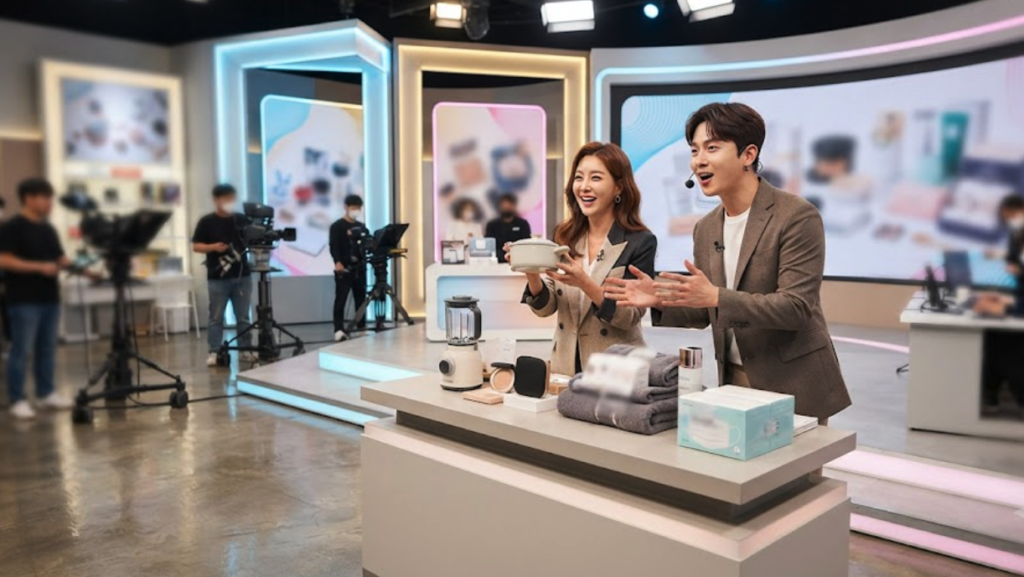
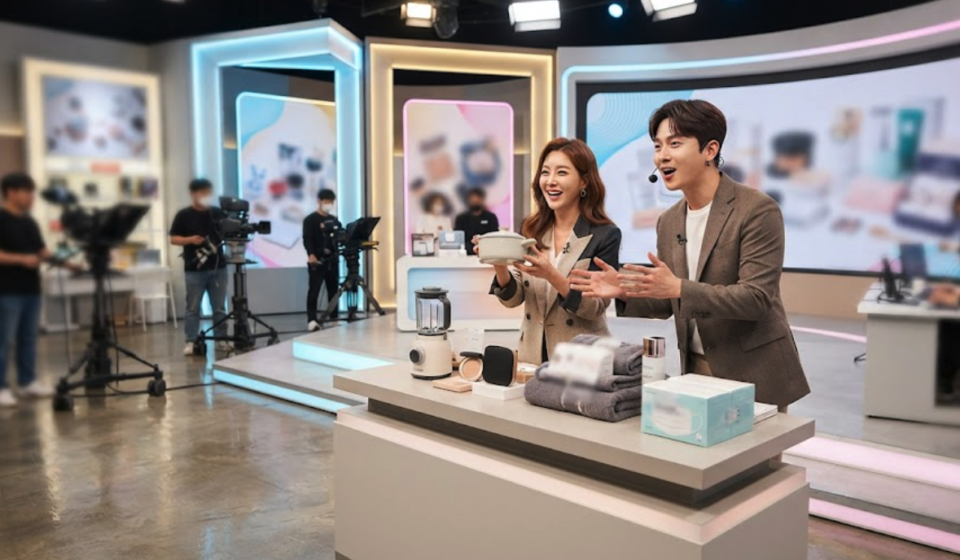
To outsiders, Korean home shopping looks chaotic, dramatic, and strangely addictive.
But to Koreans—especially middle-aged and older viewers—it’s a trusted, familiar, and surprisingly efficient way to shop.
Korean home shopping is not just a sales channel.
It’s a cultural phenomenon shaped by Korea’s speed, trust, technology, and emotional communication style.
This article explores why Korean home shopping is so popular, how it works, and what makes it completely different from home shopping in other countries.
🌐 1. Korea’s “Ppalli-Ppalli” Culture Lives Inside Home Shopping
Korea’s famous 빨리빨리 (ppalli-ppalli) culture—meaning “hurry, hurry”—is visible everywhere:
- fast delivery
- fast service
- fast transportation
- fast communication
Home shopping is no exception.
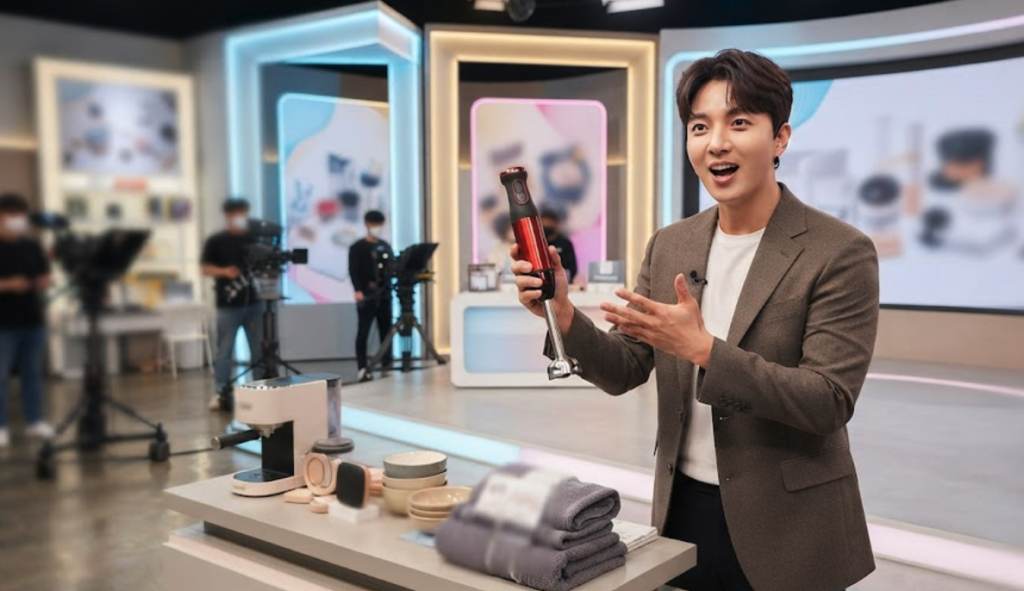
✔ Fast-talking hosts
They speak quickly, clearly, and with high energy.
✔ Fast product demonstrations
Within minutes, viewers see:
- features
- benefits
- comparisons
- customer reviews
- price drops
- limited-time offers
✔ Fast decision-making
Most deals last only 20–30 minutes.
Some sell out in 5 minutes.
Foreigners often say:
“Korean home shopping feels like a race.”
And that’s exactly the point—speed creates excitement.
📞 2. Real-Time Sales Pressure: The Psychology Behind the Broadcast
Korean home shopping uses real-time urgency better than any other country.
✔ “매진 임박!” (Almost sold out!)
A red banner flashes.
Numbers drop rapidly.
Viewers panic—in a fun way.
✔ “지금 전화하세요!” (Call now!)
Hosts repeat this constantly.
It creates a sense of action.
✔ Live call volume
Some broadcasts show:
- number of callers
- number of orders
- number of remaining units
✔ Limited-time discounts
Prices drop only during the broadcast.
Foreigners often say:
“I didn’t want the product, but suddenly I felt like I needed it.”
Korean home shopping is built on emotional momentum.
🧑🏫 3. Hosts Are Not Just Sellers—They Are Performers
Korean home shopping hosts are trained like entertainers.
✔ High energy
They speak loudly, passionately, and dramatically.
✔ Emotional persuasion
They use:
- storytelling
- empathy
- humor
- urgency
- repetition
✔ Expert-level product knowledge
Hosts memorize:
- ingredients
- manufacturing details
- certifications
- scientific data
- customer testimonials
✔ Perfect teamwork
Hosts and demonstrators coordinate like a live show.
Foreigners often say:
“It feels like watching a mix of a talk show and a game show.”
Korean home shopping is entertainment disguised as shopping.
🛍️ 4. Why Koreans Trust Home Shopping More Than Online Reviews
In many countries, home shopping feels outdated.
But in Korea, it’s trusted—especially by middle-aged and older viewers.
✔ 1) Hosts explain everything
No hidden details.
No confusing fine print.
✔ 2) Demonstrations are live
Viewers see the product in action.
✔ 3) Return policies are generous
Most home shopping companies offer:
- free returns
- extended warranties
- easy refunds
✔ 4) Brands are reputable
Korean home shopping features:
- Samsung
- LG
- premium food brands
- health supplements
- household appliances
✔ 5) No scams
Korean home shopping is heavily regulated.
Foreigners often say:
“My mom trusts Korean home shopping more than online shopping.”
And she’s not alone.
📦 5. Delivery Speed: Home Shopping + Korean Logistics = Perfection
Korea’s delivery system is one of the fastest in the world.
Home shopping orders often arrive:
- next day
- sometimes same day
This speed reinforces trust.
✔ “I ordered last night and it arrived this morning.”
This is normal in Korea.
Foreigners often say:
“Home shopping delivery in Korea is faster than Amazon.”
👵 6. Why Middle-Aged Koreans Love Home Shopping
Korean home shopping’s biggest audience is:
- moms
- aunts
- grandmothers
- retirees
Why?
✔ Familiar medium
They grew up watching TV.
✔ Clear explanations
No complicated apps or websites.
✔ Emotional connection
Hosts speak warmly and respectfully.
✔ Reliable brands
Products feel safe and trustworthy.
✔ Easy ordering
Phone calls are simple.
✔ Social influence
Friends and neighbors often recommend home shopping deals.
Foreigners often say:
“Korean moms treat home shopping like a friend.”
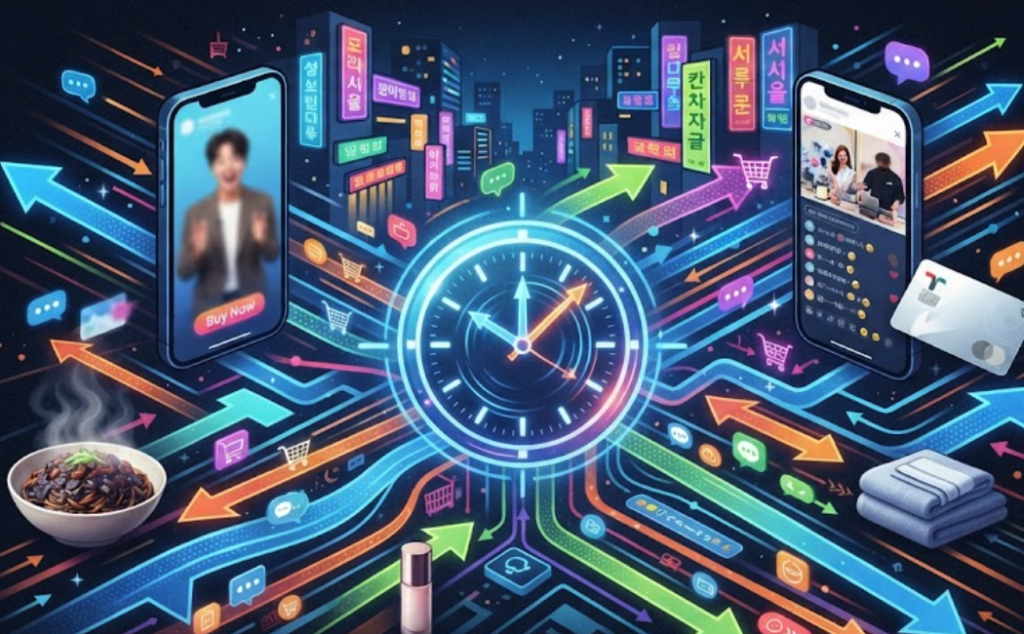
📱 7. Home Shopping Became Korea’s First Live Commerce
Before YouTube live shopping
Before Instagram live
Before TikTok live commerce
Korea already had home shopping.
It was the original:
- live selling
- live demonstration
- live urgency
- live discounts
- live customer interaction
Today, Korean home shopping broadcasts also stream on:
- mobile apps
- websites
- YouTube
- Naver Shopping Live
Home shopping evolved into a hybrid digital ecosystem.
🎬 8. Production Quality: Home Shopping Is Basically a TV Show
Korean home shopping studios are extremely advanced.
✔ Multiple cameras
✔ Professional lighting
✔ Live editing
✔ On-screen graphics
✔ Real-time data
✔ High-quality sound
✔ Product specialists on set
Foreigners often say:
“This looks better than some TV dramas.”
Korean home shopping is polished, professional, and visually engaging.
🍲 9. Food Home Shopping: Why It’s So Popular
Korean food home shopping is a phenomenon.
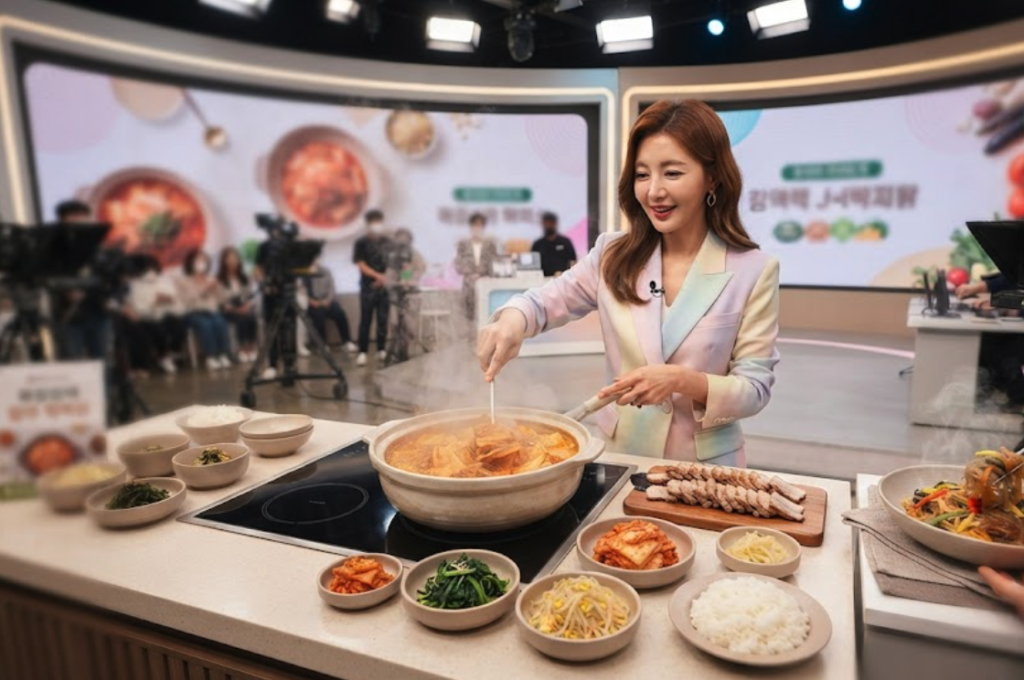
✔ Live cooking
✔ Steam rising
✔ Hosts tasting food
✔ Close-up shots
✔ “와~ 진짜 맛있다!” reactions
✔ Limited-time bundles
Korean viewers love:
- ready-made meals
- premium meats
- seafood
- kimchi
- health supplements
Foreigners often say:
“I got hungry just watching it.”
🧪 10. Health Products: The Most Powerful Category
Korean home shopping sells massive amounts of:
- probiotics
- vitamins
- red ginseng
- collagen
- omega-3
- diet supplements
Why?
✔ Hosts explain scientific data
✔ Doctors sometimes appear
✔ Demonstrations show real results
✔ Older viewers trust health products
This category drives billions in sales.
🌅 Final Thoughts
Korean home shopping is popular because it reflects Korea’s cultural DNA:
- fast
- emotional
- trustworthy
- efficient
- technologically advanced
- community-driven
It’s not just shopping.
It’s entertainment.
It’s communication.
It’s lifestyle.
For foreigners living in Korea, home shopping becomes one of the most fascinating windows into Korean culture—showing how Koreans buy, trust, communicate, and live.