Why Koreans Take Skin Supplements Daily: Inside Korea’s Beauty-Through-Nutrition Culture

When foreigners first move to Korea, one of the earliest surprises in the beauty world isn’t the skincare routine, the dermatology clinics, or the laser treatments.
It’s the supplements.
Koreans take skin supplements daily—sometimes multiple types at once.
Collagen. Hyaluronic acid. Lutein. Biotin. Vitamin C. Omega-3. Probiotics.
And many more.
Foreigners often say:
“Why do Koreans take so many beauty supplements?”
“Do they really work?”
“Why is this so normal here?”
“Why do clinics recommend supplements along with treatments?”
To understand Korean beauty culture, you must understand Korea’s supplement culture.
It’s not just about health—it’s about appearance, prevention, and Korea’s unique approach to beauty.
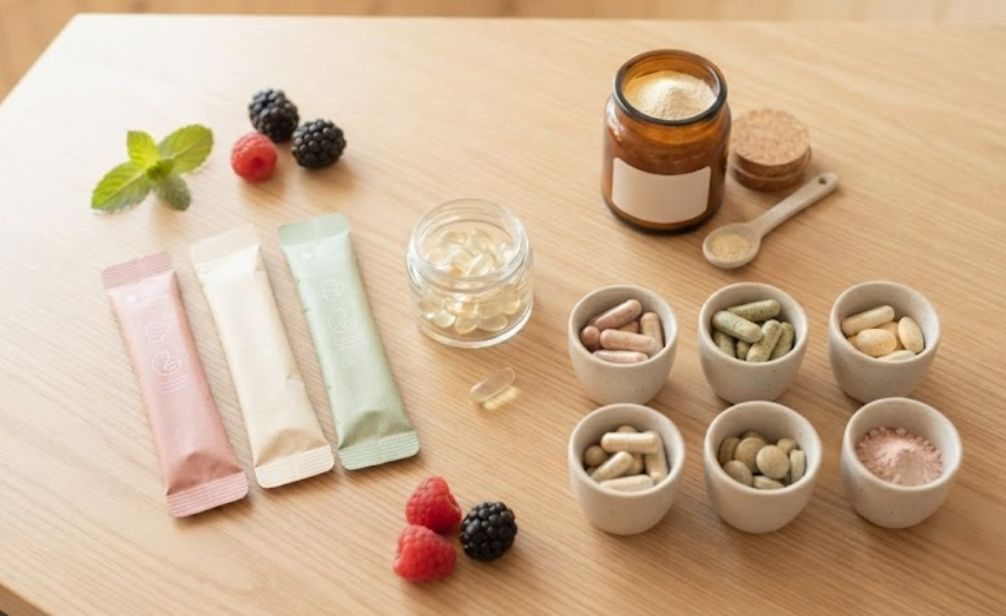
🌟 1. Beauty in Korea Is Not Just Topical—It’s Internal
In many countries, skincare is mostly external:
- creams
- serums
- masks
- oils
But in Korea, beauty is both external and internal.
Koreans believe:
- skin reflects internal health
- nutrition affects glow
- supplements enhance treatments
- prevention is better than correction
This mindset creates a culture where supplements are part of daily beauty care.
Foreigners often say:
“Korean beauty feels more holistic.”
Exactly.
💧 2. Collagen: Korea’s Most Popular Beauty Supplement
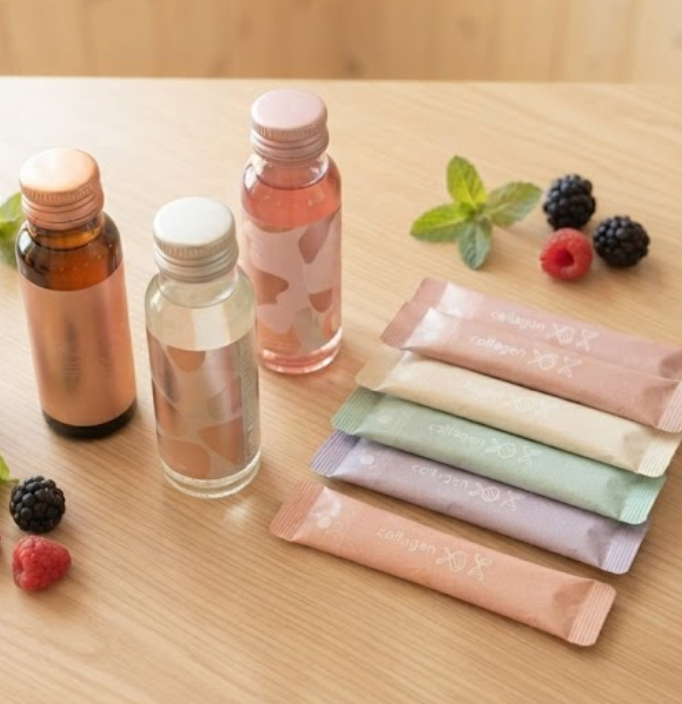
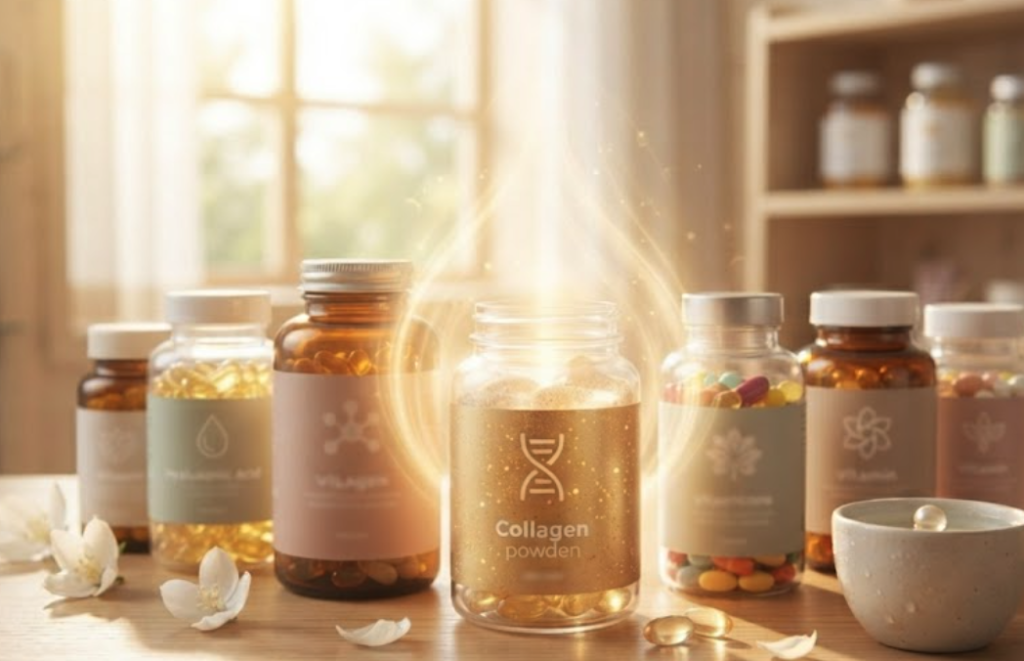
Collagen is everywhere in Korea:
- powders
- drinks
- tablets
- jelly sticks
- ampoules
Koreans take collagen because they believe it helps:
- skin elasticity
- hydration
- glow
- anti-aging
Korean collagen products are:
- flavored
- portable
- low-calorie
- easy to consume
- marketed heavily
Foreigners often say:
“I’ve never seen so many collagen products in one country.”
Korea turned collagen into a lifestyle.
💦 3. Hyaluronic Acid: The Moisture Supplement Koreans Love
Hyaluronic acid isn’t just an injectable in Korea—it’s a supplement.
Koreans take it for:
- skin hydration
- plumpness
- dryness prevention
It’s often combined with:
- collagen
- vitamin C
- ceramides
Korean brands market hyaluronic acid as a “moisture booster from within.”
Foreigners often say:
“I didn’t know hyaluronic acid could be taken orally.”
Korea popularized it.
👁️ 4. Lutein: The Eye-and-Skin Supplement Koreans Take Daily
Lutein is extremely popular in Korea, especially among:
- office workers
- students
- people who use screens all day
Koreans take lutein for:
- eye health
- screen fatigue
- antioxidant benefits
- skin protection from blue light
Foreigners often say:
“Why is everyone taking lutein here?”
Because Korea has one of the highest screen-time averages in the world.
💇 5. Biotin: The Hair-and-Nail Supplement Koreans Swear By
Biotin is widely used for:
- hair growth
- nail strength
- overall beauty support
Korean biotin products often include:
- zinc
- folic acid
- vitamin B complex
Foreigners often say:
“Biotin is popular in my country too, but Korea takes it to another level.”
Korea integrates biotin into beauty routines.
🦠 6. Probiotics: The Gut-Skin Connection Koreans Believe In
Koreans strongly believe that gut health affects skin health.
Probiotics are taken for:
- acne reduction
- inflammation control
- digestion
- immunity
- overall skin clarity
Korean probiotic brands are:
- advanced
- diverse
- targeted (women’s probiotics, skin probiotics, digestion probiotics)
Foreigners often say:
“I didn’t know probiotics were considered a beauty supplement.”
In Korea, they are.
💊 7. Vitamin C: The Daily Glow Supplement
Koreans take vitamin C every day.
Why?
- brightening
- pigmentation control
- antioxidant protection
- immune support
Korean vitamin C products come in:
- chewable tablets
- powder sticks
- drinks
- gummies
Foreigners often say:
“Korean vitamin C packaging looks like candy.”
It’s designed for daily convenience.
🧬 8. Why Koreans Take Multiple Supplements at Once
Koreans often take:
- collagen
- hyaluronic acid
- probiotics
- vitamin C
- lutein
- omega-3
- biotin
All in one day.
Why?
Reasons:
- convenience
- prevention mindset
- beauty-first culture
- strong marketing
- clinic recommendations
- high trust in supplements
- fast lifestyle
- desire for visible results
Foreigners often say:
“It feels like Koreans have a supplement routine just like a skincare routine.”
Exactly.
🏥 9. Clinics Recommend Supplements Along With Treatments
In Korea, dermatology clinics often recommend supplements after:
- laser treatments
- skin boosters
- anti-aging procedures
- acne treatments
- pigmentation treatments
Why?
Because Koreans believe:
- supplements enhance results
- supplements speed recovery
- supplements maintain glow
- supplements prevent future issues
Foreigners often say:
“My clinic gave me a supplement plan. That never happens in my country.”
It’s normal in Korea.
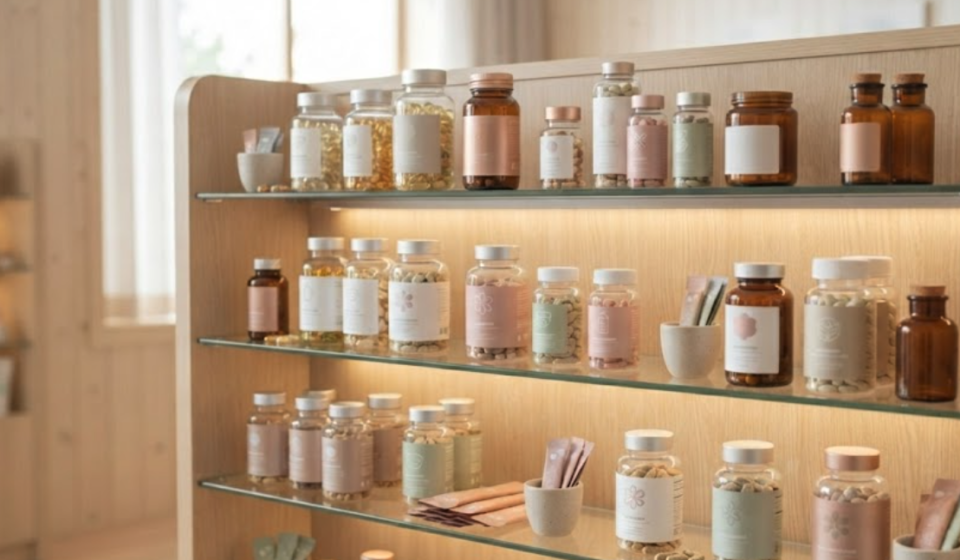
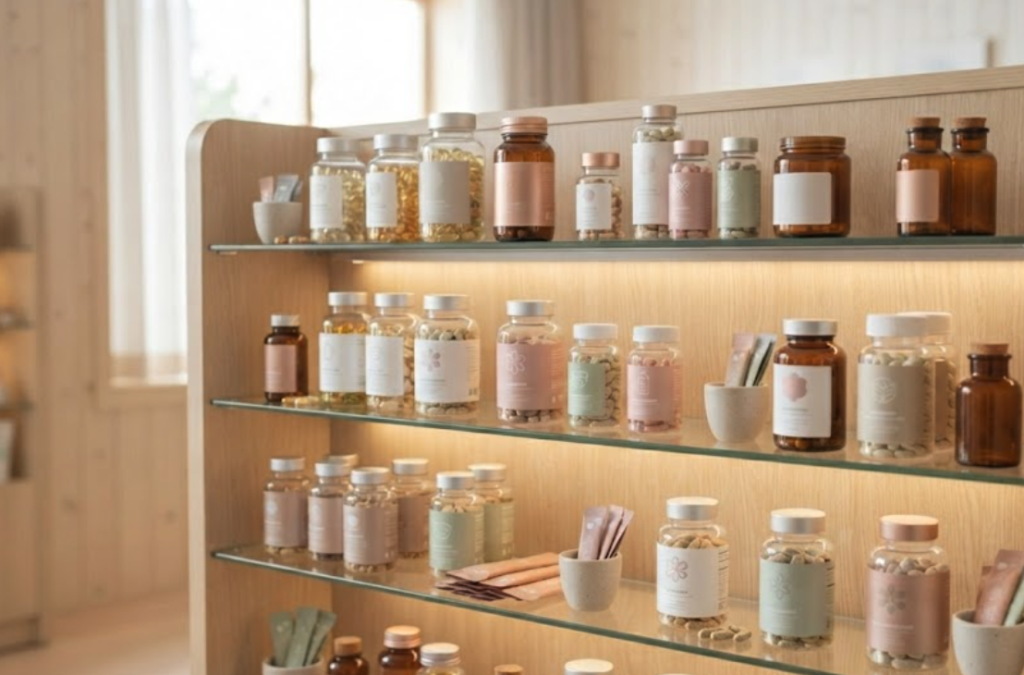
🛒 10. Korean Stores Look Like Beauty Pharmacies
Korean pharmacies and beauty stores sell:
- collagen drinks
- hyaluronic acid sticks
- vitamin C powders
- probiotics
- hair supplements
- anti-aging tablets
The shelves look like:
- beauty aisles
- wellness sections
- skincare extensions
Foreigners often say:
“Korean pharmacies feel like beauty stores.”
Because beauty and health are merged.
💸 11. Why Koreans Spend So Much on Supplements
Koreans spend heavily on supplements because:
- they value prevention
- they value appearance
- they trust science
- they trust clinics
- they want fast results
- they see supplements as daily self-care
Foreigners often say:
“Korean supplement culture feels like a beauty investment.”
It is.
Koreans take skin supplements daily because:
- beauty is both internal and external
- prevention is more important than correction
- supplements support treatments
- supplements enhance glow
- supplements fit Korea’s fast lifestyle
- supplements are culturally normalized
- supplements are marketed as beauty essentials
Korean supplement culture is not just about health—it’s about appearance, confidence, and Korea’s unique approach to beauty.
For foreigners living in Korea, understanding this supplement-based beauty culture reveals how deeply Koreans care about skin, wellness, and long-term results.