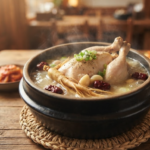
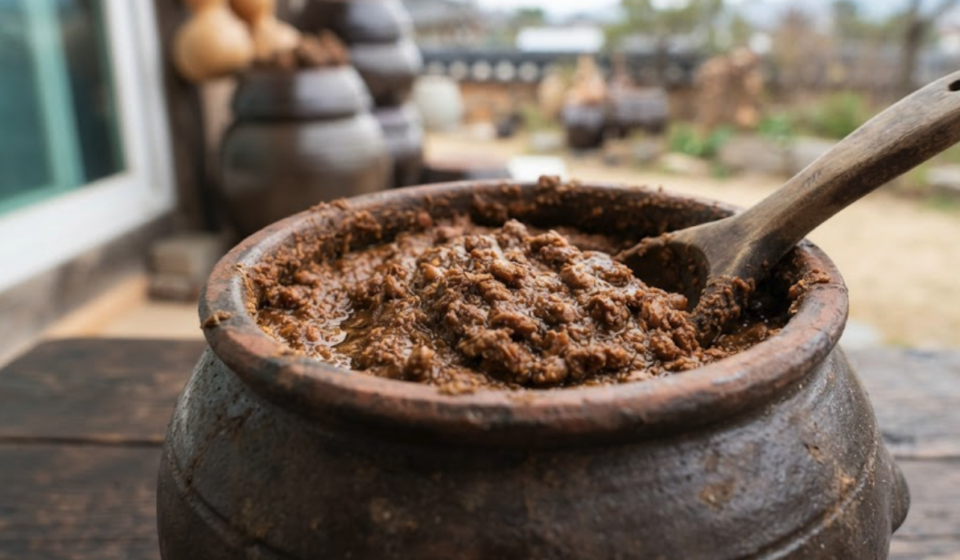

Korean cuisine is famous for bold flavors, vibrant colors, and balanced meals—but one of its most powerful secrets lies in fermentation. For centuries, Koreans have relied on fermented foods not only for taste but for health, especially gut health, immunity, and inflammation control.
For foreign visitors receiving medical treatment in Korea, fermented foods can support recovery and improve overall wellness.
🌶 1. Kimchi (김치) — Korea’s Probiotic Powerhouse
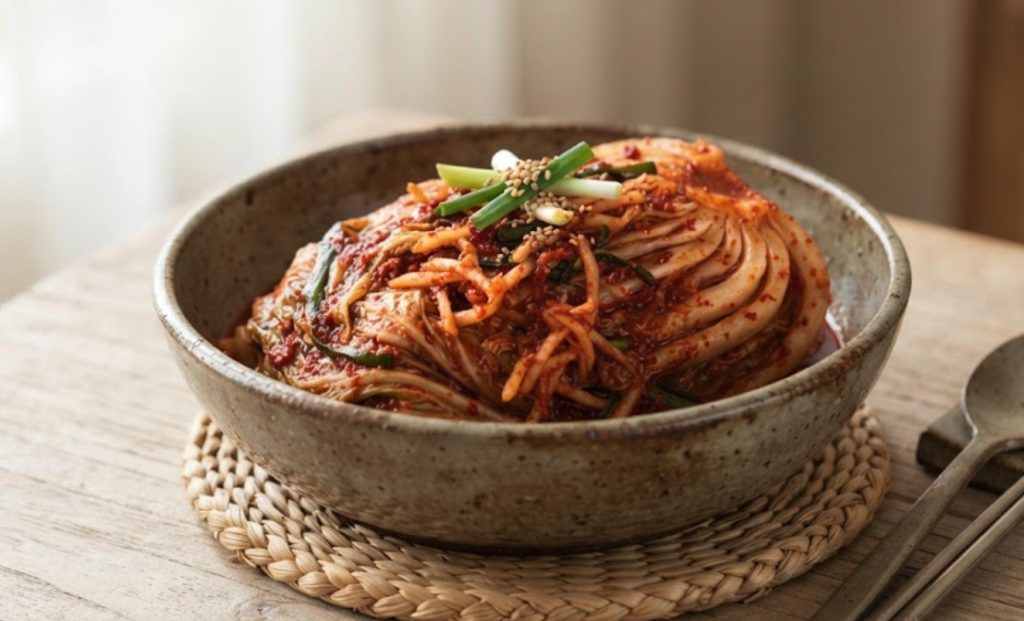
Kimchi is Korea’s most iconic fermented food.
Made from napa cabbage, garlic, ginger, chili flakes, and salted seafood, it ferments naturally to create billions of probiotics.
Health Benefits
- Strengthens gut microbiome
- Boosts immunity
- Reduces inflammation
- Helps digestion
- Supports weight control
Why it matters for recovery
Kimchi’s probiotics help the body absorb nutrients better, which is crucial after surgery or medical treatment.
🫘 2. Doenjang (된장) — Fermented Soybean Paste
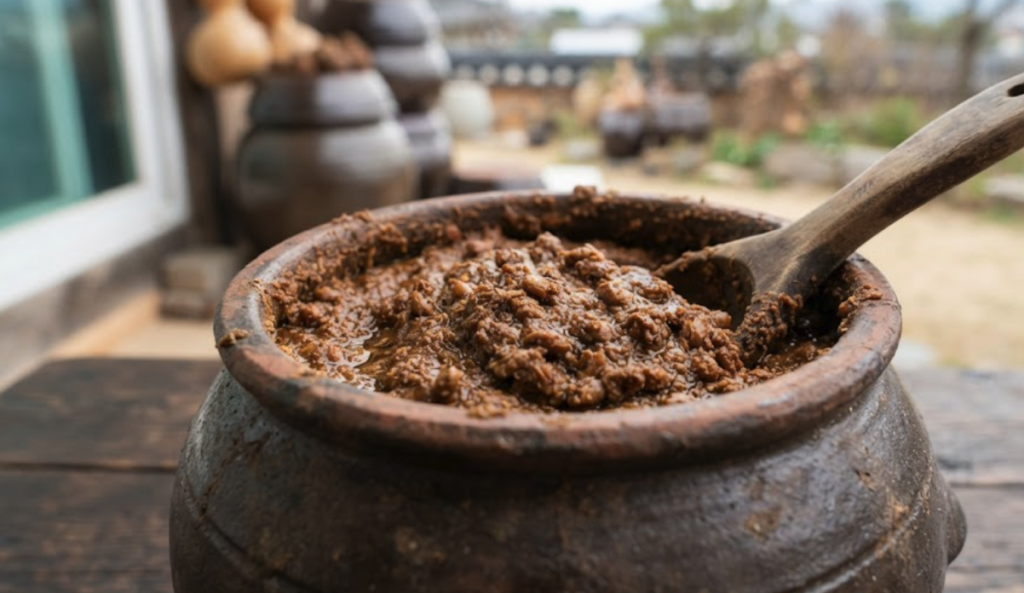
Doenjang is one of Korea’s oldest fermented foods.
It’s made by fermenting soybeans for months, sometimes years.
Health Benefits
- Rich in probiotics
- High in antioxidants
- Supports heart health
- Anti-inflammatory properties
- Helps regulate blood sugar
How Koreans use it
- Doenjang-jjigae (된장찌개)
- Sauces
- Vegetable dips
Doenjang is often recommended for people who need gentle, nutritious meals during recovery.
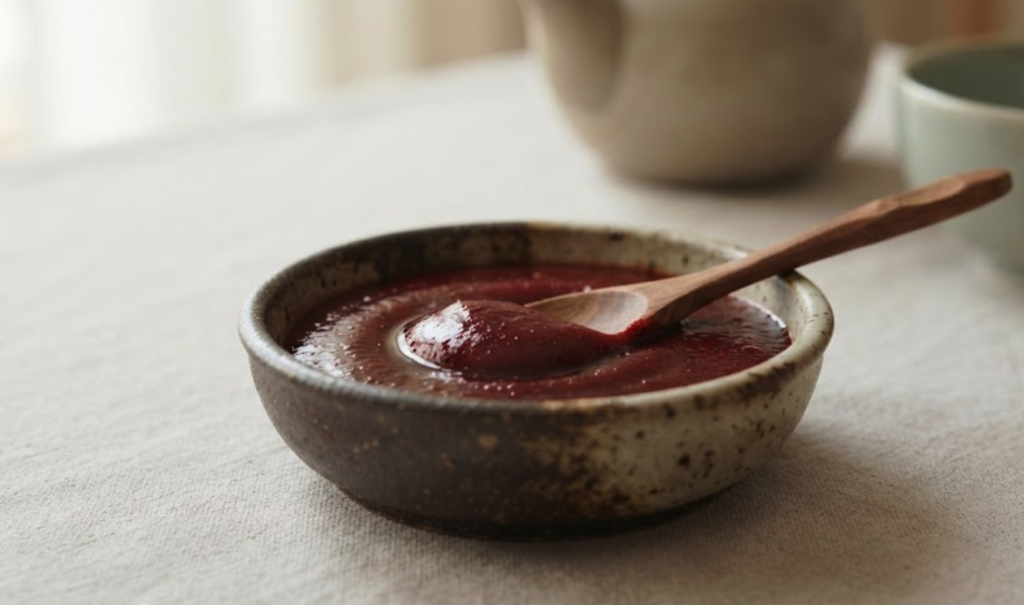
🔥 3. Gochujang (고추장) — Fermented Chili Paste
Gochujang is sweet, spicy, and deeply flavorful.
It’s made from chili powder, fermented soybeans, glutinous rice, and salt.
Health Benefits
- Boosts metabolism
- Supports gut health
- Contains natural antioxidants
- Helps reduce inflammation
Why foreigners love it
It adds flavor without being heavy, and its fermentation makes it easier to digest than typical spicy sauces.
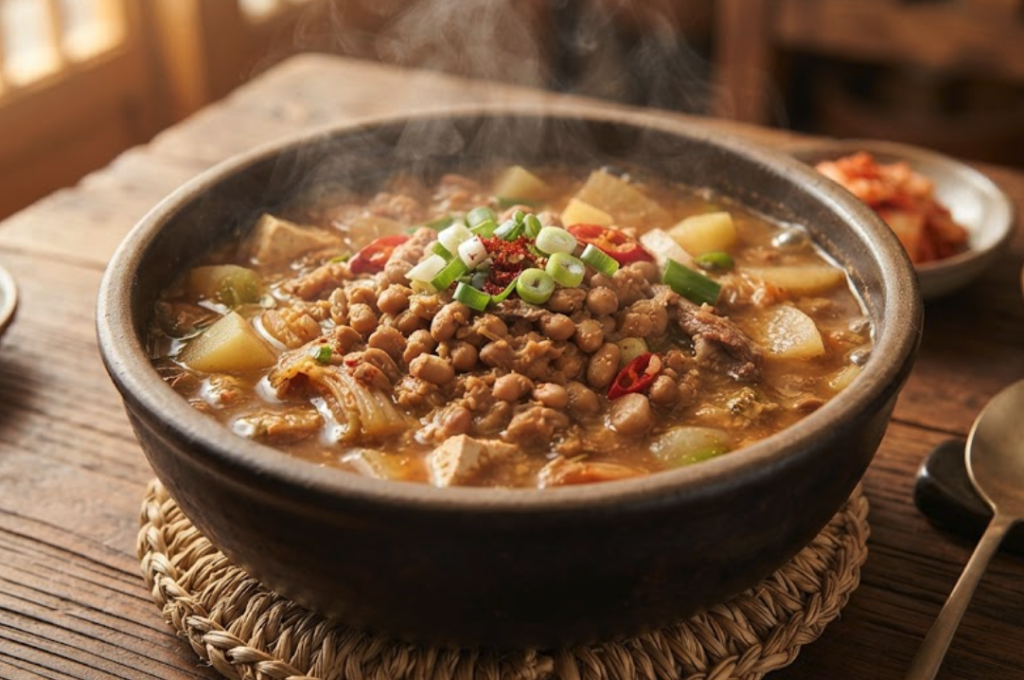
🟤 4. Cheonggukjang (청국장) — Korea’s Strongest Fermented Food
Cheonggukjang is a fast-fermented soybean paste known for its strong smell—but also its powerful health benefits.
Health Benefits
- Extremely high probiotic content
- Improves digestion quickly
- Supports immune system
- Helps reduce bloating
- Anti-inflammatory effects
Why it’s used for healing
Cheonggukjang is often recommended for:
- Gut issues
- Weak digestion
- Post-treatment recovery
- Fatigue
It’s one of Korea’s most effective natural gut-health foods.
🧬 Why Fermented Foods Matter for Gut Health & Immunity
1) Probiotics restore balance
Fermented foods replenish good bacteria in the gut.
2) Better digestion = better recovery
A healthy gut helps the body absorb nutrients more efficiently.
3) Natural anti-inflammatory effects
Perfect for patients recovering from surgery or chronic pain.
4) Stronger immune system
Probiotics and antioxidants help the body fight infections.
5) Easy to add to any meal
Korean fermented foods pair well with rice, soups, vegetables, and proteins.
Korean fermented foods are more than traditional dishes—they’re natural wellness tools.
For foreigners visiting Korea for medical treatment, these foods offer a simple way to support recovery, improve gut health, and strengthen immunity.
Korea’s fermentation tradition shows that healing can come from culture, food, and nature working together.
🔗 Recommended Links
- About Korea 8282
- Korea Seoul Info