

Korea is changing—and one of the biggest social shifts in recent years is the rapid rise of single-person households. Today, more Koreans live alone than ever before, and this trend is reshaping housing, food culture, lifestyle habits, and even the economy.
For foreigners curious about modern Korean society, understanding the solo-living trend offers a clear window into how Korea’s culture is evolving.
📈 1. How Fast Are Single-Person Households Growing?
Korea has one of the highest proportions of single-person households among OECD countries.
More than 1 in 3 Koreans now live alone, and the number continues to rise.
Why?
- Delayed marriage
- More people choosing not to marry
- High housing costs
- Individual-focused lifestyle
- Busy work culture
- Urban living convenience
Solo living is no longer unusual—it’s becoming the norm.
Why?
- Delayed marriage
- More people choosing not to marry
- High housing costs
- Individual-focused lifestyle
- Busy work culture
- Urban living convenience
Solo living is no longer unusual—it’s becoming the norm.
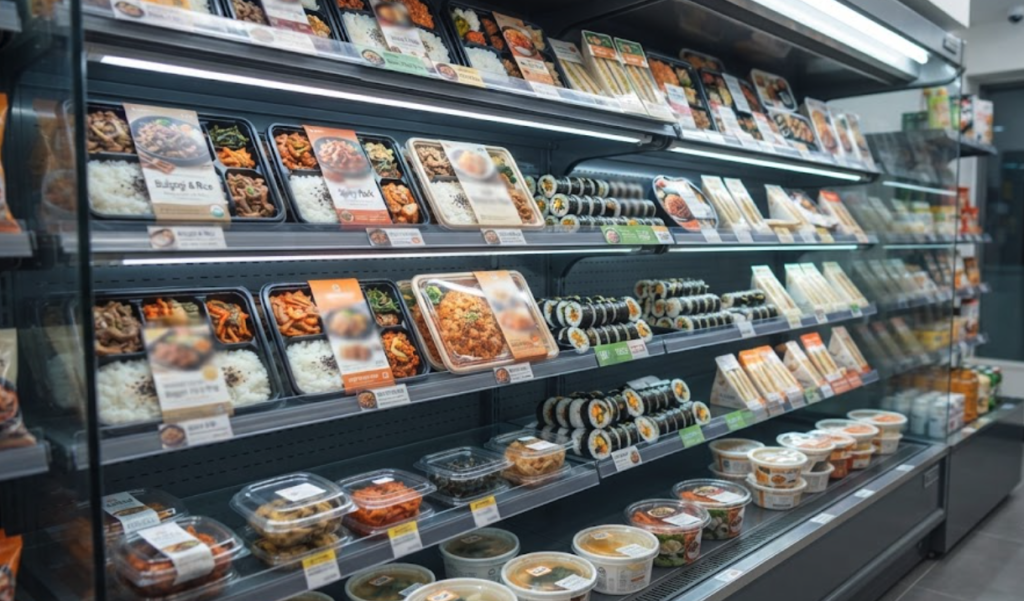
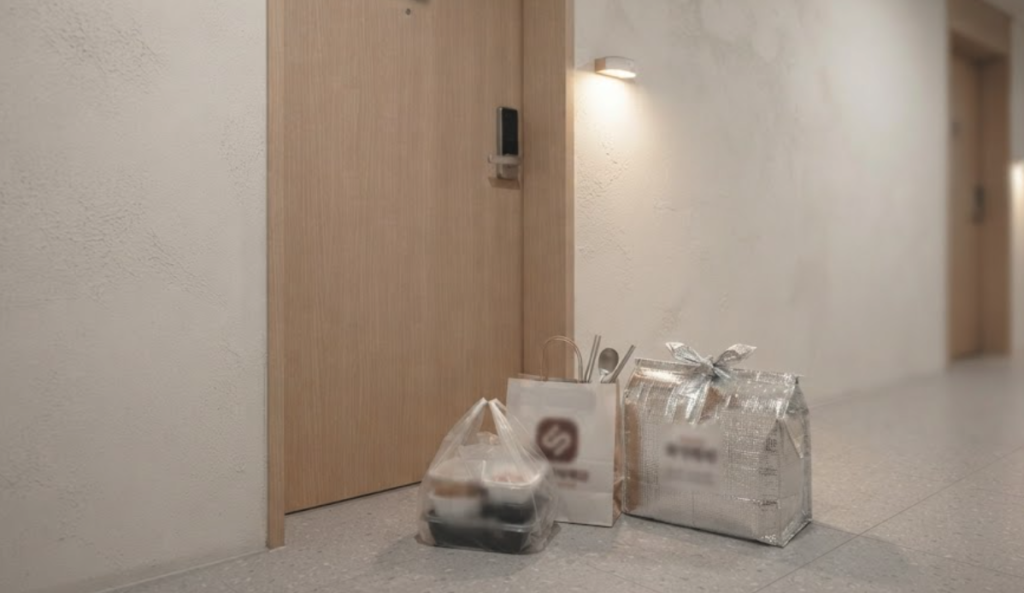
🍱 3. Food Culture: Convenience + Delivery = Perfect for Solo Life
Korea’s food culture has transformed because of solo living.
What changed?
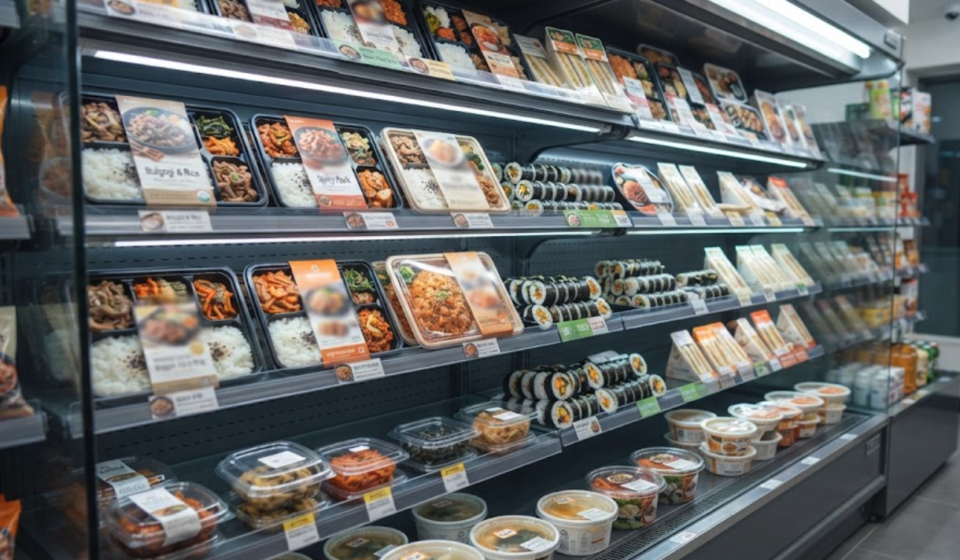
- Convenience store meals became high quality
- Single-serving grocery items increased
- Meal kits (밀키트) became extremely popular
- Food delivery apps dominate daily life
Korea’s delivery culture—fast, cheap, and reliable—makes living alone incredibly easy.
🛍️ 4. Lifestyle: Personalized, Independent, and Digital
Single-person households have created new lifestyle patterns.
Popular habits
- Home cafés (making coffee at home)
- Watching streaming content alone
- Solo dining (“혼밥”)
- Solo drinking (“혼술”)
- Solo travel (“혼행”)
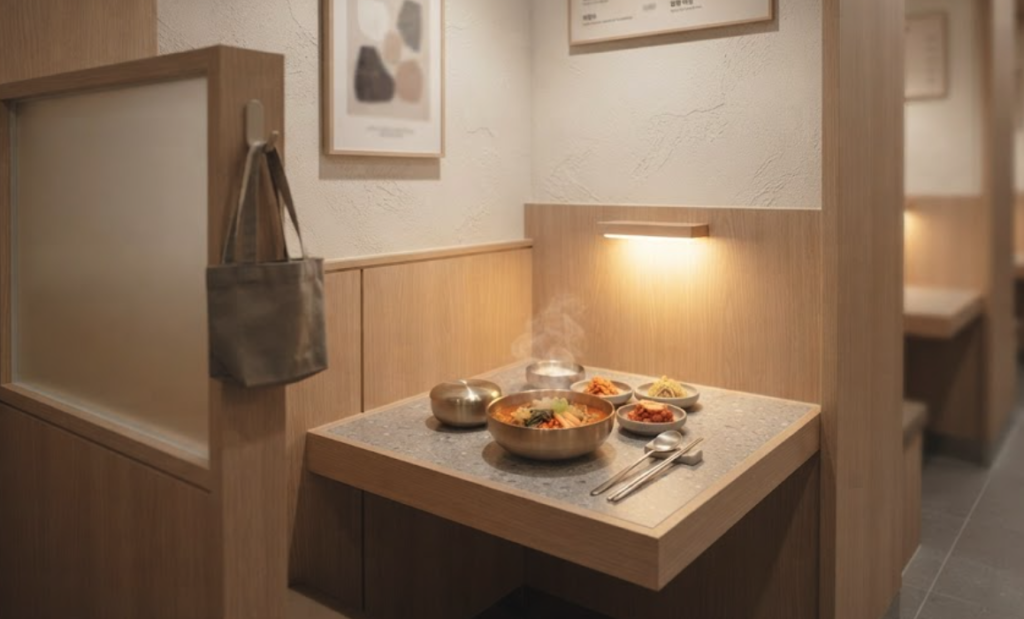
Korea even has restaurants designed for solo diners, with private booths and quiet spaces.
🛍️ 4. Lifestyle: Personalized, Independent, and Digital
Single-person households have created new lifestyle patterns.
Popular habits
- Home cafés (making coffee at home)
- Watching streaming content alone
- Solo dining (“혼밥”)
- Solo drinking (“혼술”)
- Solo travel (“혼행”)
Korea even has restaurants designed for solo diners, with private booths and quiet spaces.
🧘 6. Wellness & Self-Care for Solo Residents
Living alone has increased interest in:
- Home workouts
- Skincare routines
- Mental wellness apps
- Minimalist home design
- Pet ownership
Solo living encourages people to invest more in themselves.
🛒 7. Economic Impact: A New Market for “Single Lifestyle” Products
Businesses now target solo consumers with:
- Small appliances (mini rice cookers, compact air fryers)
- Single-serving food packages
- Subscription meal services
- Home décor for small spaces
- Solo travel packages
Korea’s economy has adapted quickly to this demographic shift.
🌅 Final Thoughts
The rise of single-person households is one of the most defining trends in modern Korea.
It reflects changing values, new lifestyles, and a society moving toward independence and personal choice.
For foreigners, understanding this trend helps explain:
- Why Korean cities feel so convenient
- Why delivery culture is so advanced
- Why wellness and self-care are so popular
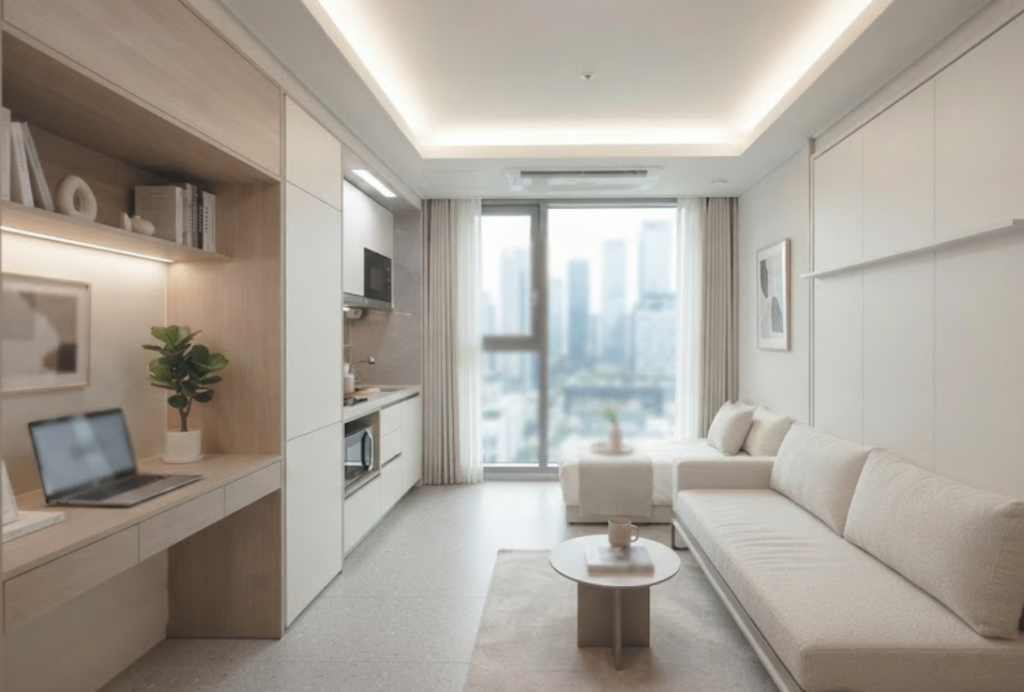
- Why small apartments dominate urban areas
Solo living isn’t just a housing trend—it’s a cultural transformation shaping the future of Korea.
- About Korea 8282
- K‑Beauty Community (English)
https://en.kbeautycommunity.com
- Korea Seoul Info

Leave a Reply
You must be logged in to post a comment.
[…] The Rise of Single-Person Households in Korea: How Solo Living Shapes Modern Korean Life […]