
One of the first things people notice when they start living in Korea is how well the public transportation system works. Subways, buses, taxis, transportation cards, and mobile apps all connect seamlessly. Everything feels fast, predictable, and organized. For many foreigners, it’s surprising how much of daily life depends on this system.
Korea’s public transportation isn’t just convenient—it’s the foundation of everyday movement. Once you understand how it works, navigating the city becomes incredibly easy.
🚇 Subway: The Backbone of Urban Travel
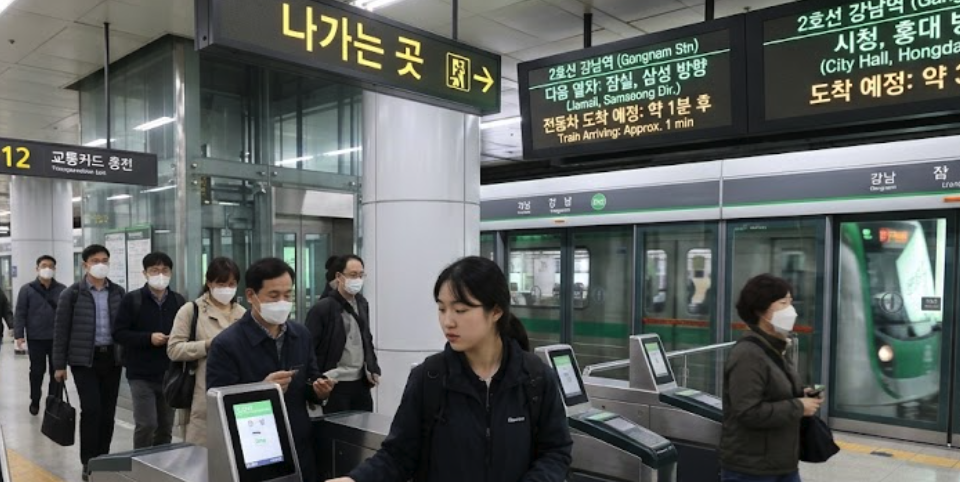
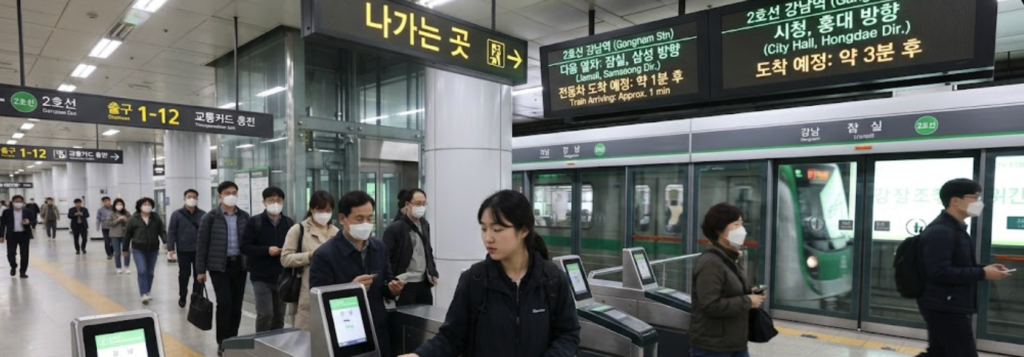
Korea’s subway system is clean, fast, and extremely reliable. Trains arrive on time, stations are easy to navigate, and transfers are simple. Even without speaking Korean, the system is straightforward thanks to clear English signage.
What stands out:
- Accurate arrival times
- Clean and bright stations
- Strong LTE and Wi‑Fi
- Easy transfers
- English announcements
- Real‑time arrival boards
Rush hour can be crowded, but people generally follow basic etiquette. Elderly seats are respected, and passengers wait for others to exit before boarding.
Helpful tips:
- Check real‑time arrival boards
- Don’t force your way in when doors close
- Escalators are used calmly—no rushing
🚌 Bus: Real‑Time Tracking Makes It Simple
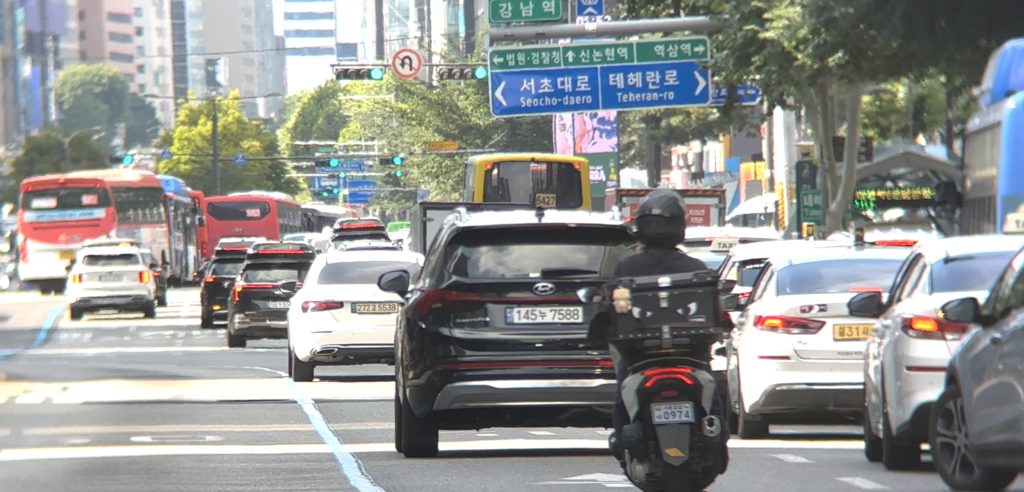
Korean buses may look complicated at first because of the many routes, but apps make them easy to use.
Why buses are convenient:
- Real‑time bus locations in apps
- Arrival times displayed at bus stops
- Routes cover almost every neighborhood
- Affordable fares
- Automatic transfers with transportation cards
Digital boards at bus stops show how many minutes remain until each bus arrives.
Tips:
- Press the stop button before your stop
- Enter through the front door, exit through the back
- Don’t try to board after the doors close
- Minimal interaction with the driver is needed
🚕 Taxi: App‑Based Transportation
Most people in Korea use Kakao T instead of hailing taxis on the street.
Why taxis feel easy:
- Real‑time driver location
- Car number and arrival time shown in the app
- Predictable fares
- Card, mobile, and QR payments
- Minimal conversation required
Good to know:
- Late‑night fares are slightly higher
- Larger taxis are available for airport trips or heavy luggage
- App‑based hailing is faster and safer than street hailing
💳 Transportation Cards: The Key to Everything
Transportation cards work for subways, buses, and taxis.
Types:
- T‑money
- Cashbee
- Mobile cards (Samsung Pay, Kakao Pay, etc.)
Many foreigners switch to mobile cards because they don’t require manual charging.
Benefits:
- Automatic transfer discounts
- Rechargeable at convenience stores
- Works directly through your phone
📱 Apps: The Real Engine Behind Korean Transportation
Korea’s transportation system is deeply connected to mobile apps. They provide real‑time information and make planning routes simple.
Essential apps:
- KakaoMap
- Naver Map
- Kakao T
- Local subway apps
What apps help with:
- Real‑time bus tracking
- Subway arrival times
- Transfer route recommendations
- Travel time estimates
- Taxi hailing
- Walking navigation
Most people rely on apps every day. Without them, getting around would feel much harder.
🔄 Transfers: One of Korea’s Biggest Strengths
Korea’s transfer system is extremely efficient. You can switch between subway and bus—or even bus to bus—without hassle.
Key points:
- Automatic transfers with transportation cards
- Discounts within a set time
- Routes designed to connect smoothly
This makes long-distance travel affordable and convenient.
🧭 What Daily Travel Actually Looks Like
Living in Korea, most people move around in a predictable pattern:
- Check the route on an app
- Choose subway or bus
- See real‑time arrival information
- Tap the transportation card
- Transfer if needed
- Walk the final stretch
The entire process feels natural and efficient. Public transportation becomes the default way to move around the city.
🌐 Korea’s Transportation System Is Fast, Predictable, and Connected
Korea’s public transportation stands out because everything works together:
- Subways are accurate
- Buses are trackable
- Taxis are app‑based
- Transportation cards connect all systems
- Apps provide real‑time guidance
Once you get used to it, navigating Korea feels straightforward and reliable.
It’s one of the biggest advantages of living here.