
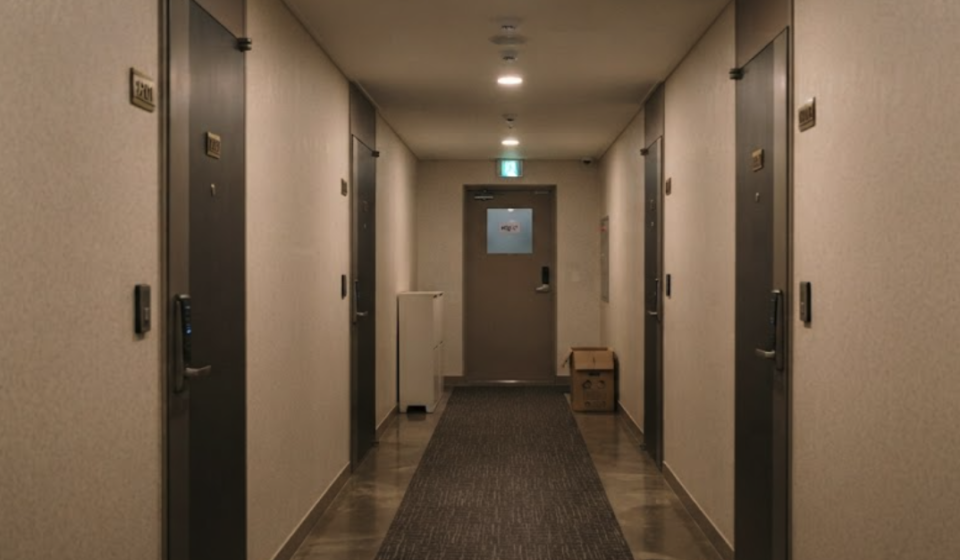

Understanding Korea’s rising issue of solitary deaths (고독사) from a foreigner’s perspective
When foreigners look at Korea, they often see a modern, fast, safe, and highly connected society.
But beneath the surface, Korea is facing a growing social crisis: lonely deaths, known as godoksa (고독사).
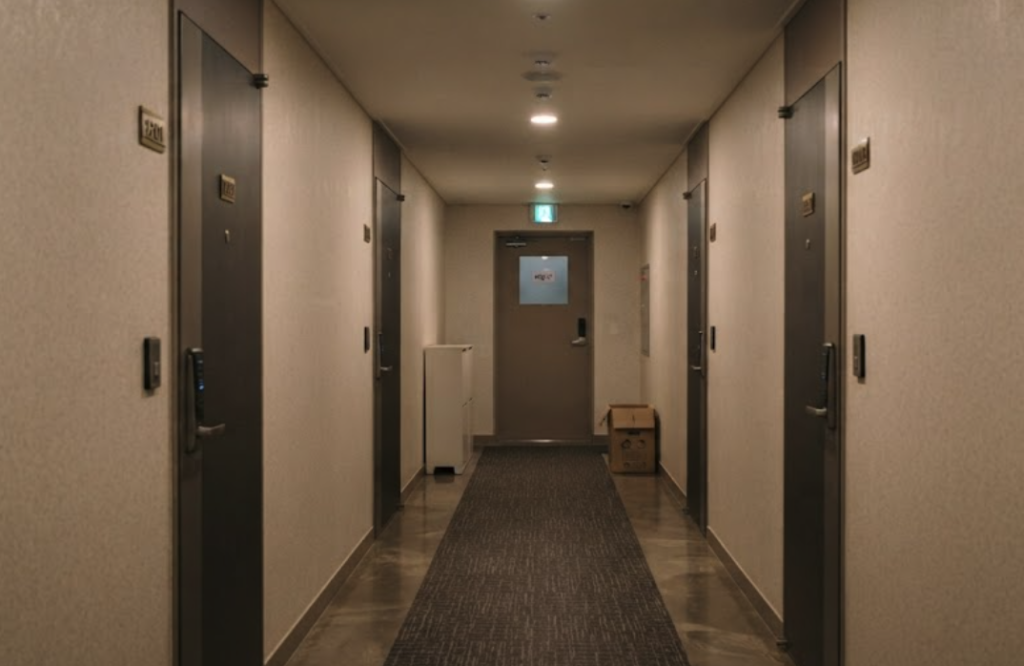
A lonely death refers to a situation where a person dies alone, unnoticed, with no family or social connection — often discovered days, weeks, or even months later.
It is one of the most painful reflections of Korea’s rapid modernization, demographic changes, and social isolation.
This article explains why lonely deaths are increasing, what makes Korea vulnerable, and how this issue reveals the deeper structure of Korean society.
✦ 1. Korea Has One of the Highest Rates of Single-Person Households
In 2024, 1 in 3 Koreans lives alone.
This is one of the highest rates in the world.
Why?
✔ 1) Delayed marriage
Koreans marry later than almost any other OECD country.
✔ 2) Low birth rate
Korea has the world’s lowest fertility rate.
✔ 3) High housing costs
Young people cannot afford marriage or family life.
✔ 4) Individualized urban lifestyle
Cities like Seoul, Busan, and Incheon encourage independent living.
✔ 5) Elderly living alone
Many seniors live alone due to spouse death or family separation.
Living alone is not the problem —
but dying alone becomes a risk when social connections disappear.
✦ 2. Elderly Poverty Is a Major Factor
Korea has one of the highest elderly poverty rates among developed countries.
Many seniors:
- have no pension
- have no savings
- have no family support
- work low-wage jobs until very old age
- live in small, isolated apartments
These seniors often experience:
- social isolation
- depression
- health problems
- lack of medical access
When they die, no one notices.
This is the core of Korea’s lonely death crisis.
✦ 3. Urban Life Makes Isolation Worse
Korean cities are efficient, fast, and convenient —
but they are also emotionally distant.
✔ Neighbors rarely talk
Apartment culture is private and silent.
✔ People avoid strangers
Korean social norms discourage casual conversation.
✔ Work culture is intense
People have little time for socializing.
✔ High-rise apartments isolate residents
You can live next to someone for 10 years and never speak to them.
Urban convenience creates physical comfort,
but emotional isolation.
✦ 4. Family Structure Has Changed Dramatically
Traditional Korean families were large and close.
But modern Korean families are:
- smaller
- more distant
- more independent
- more fragmented
✔ Parents and children often live separately
Even in the same city.
✔ Divorce rates increased
More middle-aged people live alone.
✔ Elderly parents do not want to “burden” their children
This cultural mindset increases isolation.
✔ Adult children are busy with work
They cannot visit often.
The result:
Many people have no one to check on them.
✦ 5. Social Stigma Makes Asking for Help Difficult
Korean culture values:
- self-reliance
- endurance
- not showing weakness
- not bothering others
So when people feel lonely or depressed, they often hide it.
Foreigners often ask:
“Why don’t Koreans ask for help?”
Because in Korea:
- loneliness feels shameful
- poverty feels shameful
- mental health issues feel shameful
- family problems feel shameful
This silence leads to tragic outcomes.
✦ 6. Technology Helps — But Also Hurts
Korea is one of the most digital societies in the world.
✔ People socialize online
But online connections do not replace real relationships.
✔ Food delivery reduces human interaction
You can live without talking to anyone for days.
✔ Convenience stores replace social spaces
People eat alone, shop alone, live alone.
✔ Remote work increases isolation
Especially among young adults.
Technology makes life easier,
but also makes loneliness easier to hide.
✦ 7. Real Cases That Shocked the Nation
Korean media has reported heartbreaking cases:
- elderly people found months after death
- middle-aged workers dying alone in small apartments
- young adults dying from depression without anyone noticing
- people whose electricity bills revealed their death
These stories made Koreans realize:
Lonely death is not just an elderly problem —
it affects all ages.
✦ 8. Government Efforts to Prevent Lonely Deaths
Korea is trying to respond:
✔ 1) Smart sensors in elderly homes
Detect inactivity and alert social workers.
✔ 2) Community check-in programs
Volunteers visit seniors regularly.
✔ 3) Emergency welfare hotlines
For people at risk of isolation.
✔ 4) Local government monitoring
Apartment managers report unusual situations.
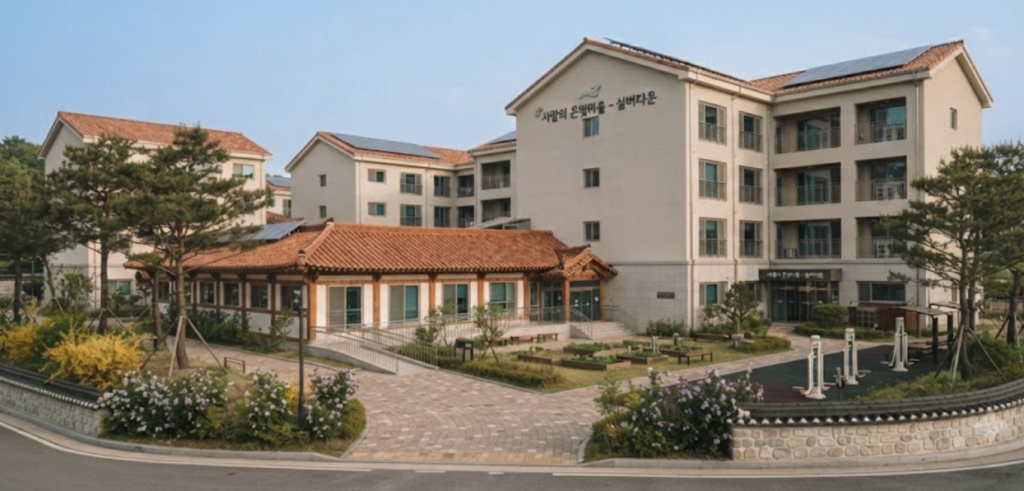
✔ 5) Social housing for vulnerable groups
Affordable housing with community support.
These efforts help,
but the problem is growing faster than the solutions.
✦ 9. Why Foreigners Should Understand This Issue
Foreigners often see Korea as:
- modern
- efficient
- safe
- connected
- technologically advanced
But lonely deaths show the human cost of rapid development.
Understanding this issue helps foreigners see:
- Korean social pressure
- Korean family changes
- Korean urban loneliness
- Korean elderly struggles
- Korean mental health challenges
It reveals the deeper layers of Korean society.
✦ Lonely Deaths Are a Mirror of Korean Society
Korea’s lonely death crisis exists because:
- people live alone
- families are fragmented
- cities isolate residents
- elderly poverty is high
- social stigma prevents help
- technology replaces human contact
It is not just a social problem —
it is a reflection of Korea’s modern identity.
To understand Korea,
you must understand both its strengths and its struggles.
Lonely deaths show the part of Korea that is often hidden,
but deeply important.
🔗 Recommended Link
For more information about Korea’s social welfare policies and support programs, visit the Ministry of Health and Welfare: