
If you’re a foreigner living in Korea, one of the first cultural shocks you’ll experience doesn’t happen at a palace, a market, or a subway station.
It happens in a café.
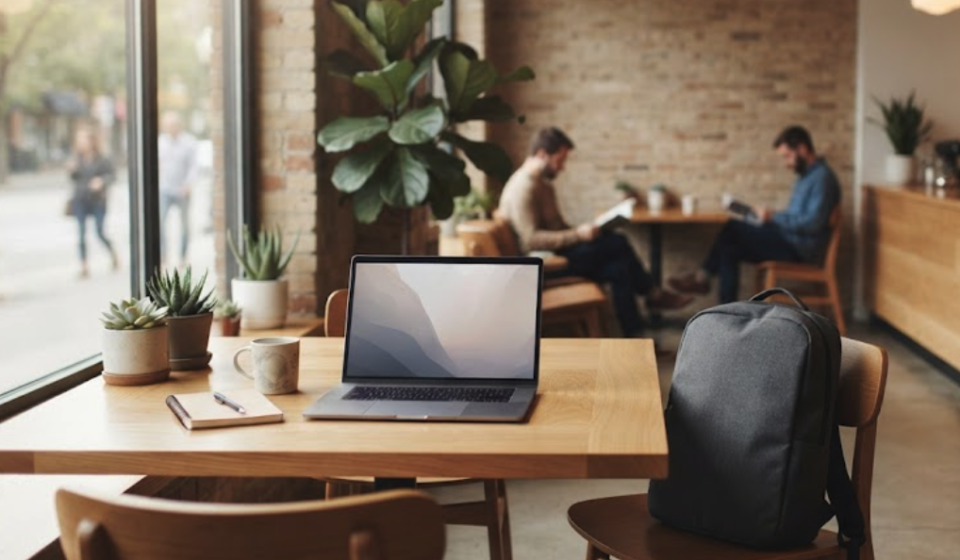
You’ll see people leave:
- laptops
- tablets
- phones
- wallets
- bags
- chargers
- expensive headphones
All sitting openly on the table…
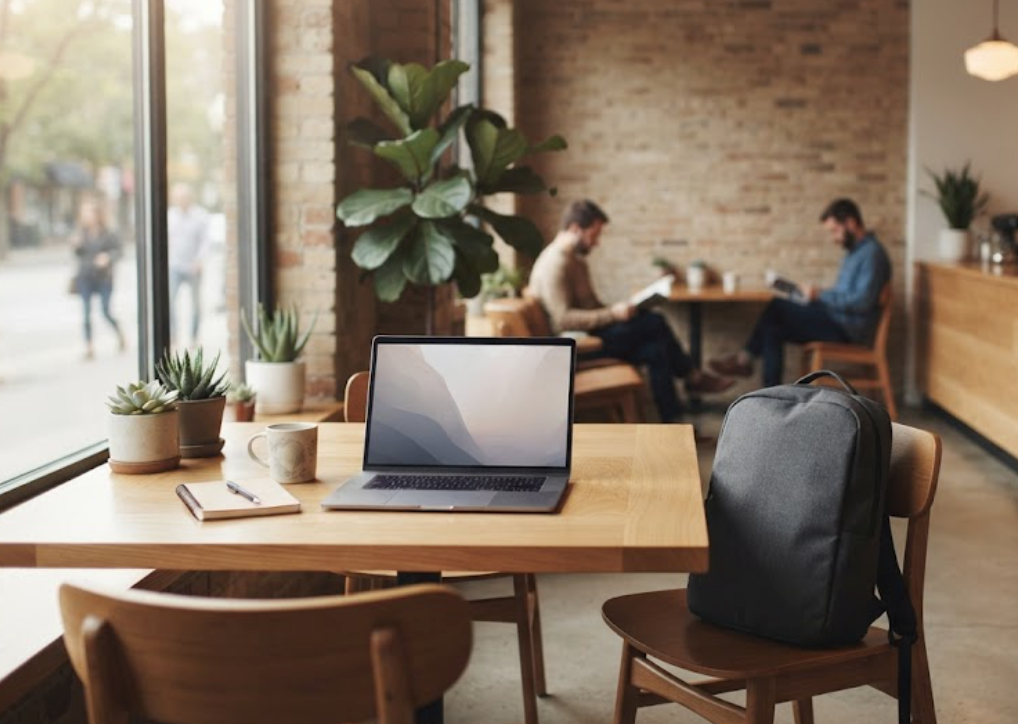
while the owner goes to the restroom, steps outside for a call, or even leaves the café for several minutes.
Foreigners often say:
“Why does nobody steal anything?”
“How is this safe?”
“Why do people trust strangers so much?”
“This would never happen in my country.”
To understand Korea, you must understand this trust-based public culture.
It’s one of the most unique social features in the world.
🌐 1. Korea Has an Extremely Low Crime Rate
The first reason Koreans don’t lock their tables is simple:
Korea has one of the lowest theft rates among developed countries.
Petty theft—especially in cafés—is extremely rare.
Why?
- strong social norms
- high surveillance
- strict laws
- fast police response
- cultural pressure against crime
Foreigners often say:
“I feel safer in Korean cafés than in my own home country.”
And they’re right.
🎥 2. Korea Has CCTV Everywhere
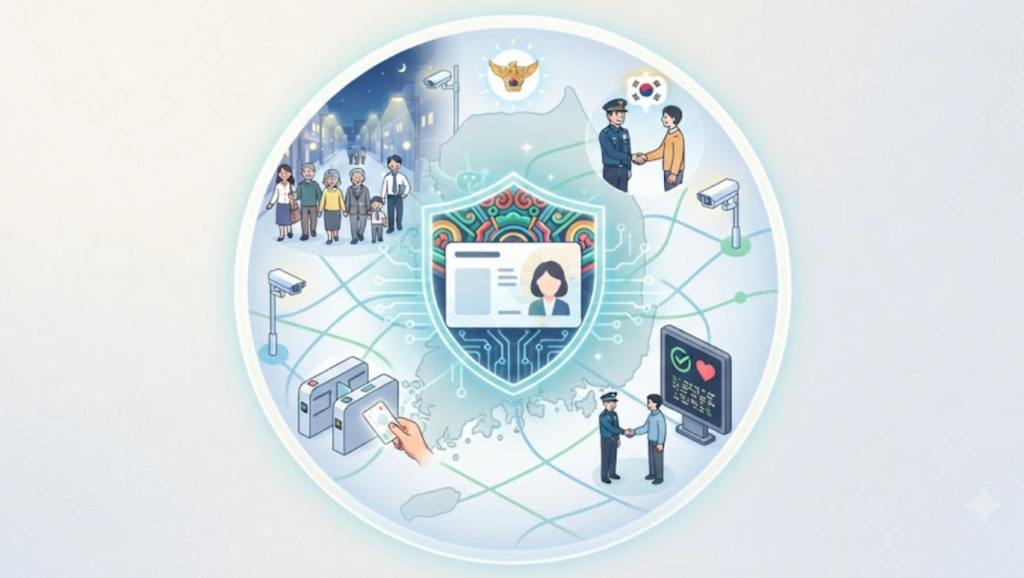
Korea is one of the most heavily monitored countries in the world.
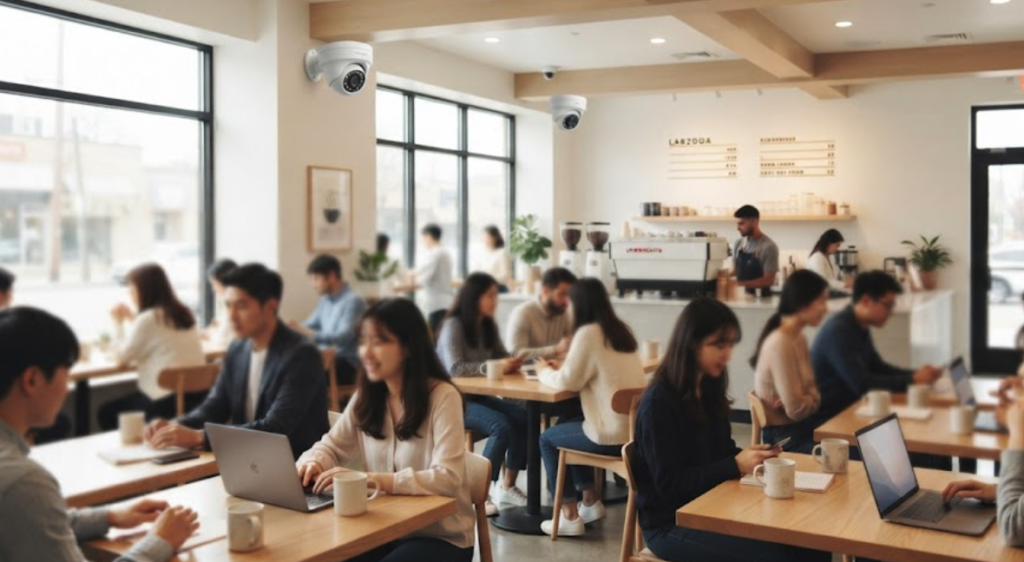
Cafés, restaurants, streets, elevators, subway stations—almost every public space has CCTV.
This creates:
- deterrence
- accountability
- safety
- transparency
If someone steals something, it’s almost guaranteed they’ll be caught on camera.
Foreigners often say:
“I’ve never seen so many cameras in one country.”
This surveillance culture makes theft extremely risky.
🧠 3. Korea Has a Strong Social Norm Against Stealing
In Korea, stealing isn’t just illegal—it’s socially unacceptable at a deep cultural level.
Korean society values:
- harmony
- respect
- community
- reputation
Stealing violates all of these.
People grow up learning:
- don’t touch others’ belongings
- don’t interfere with others’ space
- don’t cause trouble in public
- don’t break social trust
Foreigners often say:
“Koreans seem to follow unwritten rules.”
This is one of them.
🧑🤝🧑 4. Korea Is a High-Trust Society
Korea is built on collective trust.
People trust:
- strangers
- public spaces
- businesses
- systems
- social norms
This trust is visible everywhere:
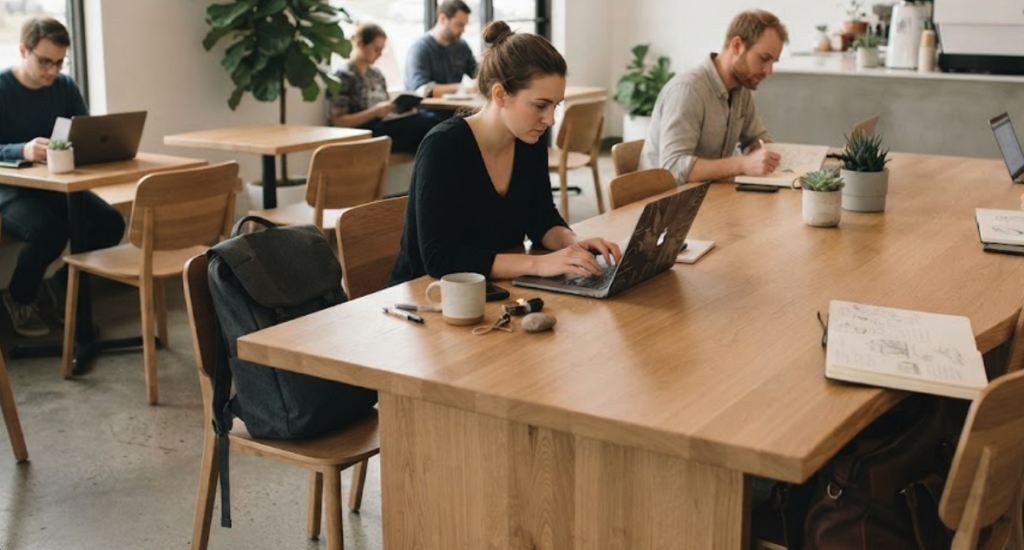
- people leave bags at café tables
- students leave laptops in libraries
- diners leave phones on restaurant tables
- gym users leave belongings unlocked
- subway riders sleep with phones in hand
Foreigners often say:
“I didn’t realize how stressful my own country was until I saw this.”
Korea’s trust culture reduces daily anxiety.
🏙️ 5. Korean Cafés Are Designed for Long Stays
Korean café culture is unique.
People go to cafés to:
- study
- work
- read
- relax
- socialize
- spend hours
Because cafés are long-stay environments, people need to:
- use the restroom
- take calls
- step outside
- buy snacks
- meet friends
Leaving belongings behind becomes normal.
Foreigners often say:
“Korean cafés feel like co-working spaces.”
Exactly.
🚫 6. Stealing in Korea Has Serious Consequences
In some countries, petty theft is common and often ignored.
In Korea, it’s taken very seriously.
Consequences include:
- criminal charges
- fines
- police involvement
- social stigma
- job impact
- reputation damage
Korean society is tightly connected.
A single mistake can follow someone for years.
Foreigners often say:
“People here seem afraid of breaking rules.”
It’s not fear—it’s responsibility.
🧼 7. Korea Values Clean, Orderly Public Behavior
Korean public culture emphasizes:
- cleanliness
- order
- politeness
- quietness
- respect
This extends to personal belongings.
People don’t:
- touch others’ items
- move others’ bags
- sit at occupied tables
- disturb others’ space
Foreigners often say:
“Koreans respect personal boundaries more than any country I’ve seen.”
This respect protects belongings.
📱 8. Digital Lifestyle Reduces Theft Motivation
Korea is extremely digital.
Most people use:
- digital payments
- mobile banking
- cloud storage
- password-protected devices
Stealing a laptop or phone is pointless because:
- it’s locked
- it’s traceable
- it’s useless without passwords
- it can be remotely wiped
- it can be tracked
Foreigners often say:
“Even if someone stole my laptop, they couldn’t use it.”
This reduces theft incentives.
🧘 9. Koreans Don’t Want Social Conflict
Korean culture avoids confrontation.
Stealing creates:
- conflict
- drama
- embarrassment
- shame
- public attention
Koreans prefer:
- harmony
- peace
- quiet
- smooth interactions
Foreigners often say:
“Koreans seem allergic to conflict.”
This helps maintain trust.
🌅 Final Thoughts
Koreans don’t lock their tables at cafés because:
- crime is low
- CCTV is everywhere
- social norms discourage theft
- trust is high
- cafés are long-stay spaces
- digital devices are secure
- consequences are serious
- conflict is avoided
- public respect is strong
This trust-based culture is one of the most beautiful parts of living in Korea.
It makes daily life easier, safer, and more peaceful.
For foreigners, it’s a reminder that a society built on trust feels completely different—and incredibly refreshing.