
Korea’s winter is cold, dry, and long.
Temperatures often drop below freezing, and the wind can feel sharp enough to cut through layers of clothing.
But inside Korean homes, winter feels completely different—warm, cozy, and comfortable.
The reason is simple: Ondol, Korea’s unique floor heating system.
Foreigners who experience ondol for the first time often say:
“I’ve never felt warmth like this in any other country.”
Ondol is more than a heating method.
It’s a cultural tradition, a lifestyle, and a symbol of Korean comfort.
This article explores why Koreans love ondol, how it works, and why it’s one of the most impressive aspects of living in Korea.
🌡️ 1. What Is Ondol? A Heating System Unlike Any Other
Ondol (온돌) literally means “warm stone.”
It originated thousands of years ago, when Koreans heated their homes by channeling smoke under the floors.
Modern ondol uses hot water pipes instead of smoke, but the concept is the same:
heat rises from the floor, warming the entire room evenly.
✔ Why floor heating feels different
- Heat spreads slowly and evenly
- No dry air blowing from vents
- Feet stay warm, which warms the whole body
- The room feels cozy instead of hot
Foreigners often say:
“It feels like the floor is hugging you.”
🏠 2. Why Koreans Prefer Floor Heating Over Radiators or Air Heaters
Most Western countries use:
- Radiators
- Electric heaters
- Central air heating
But Koreans overwhelmingly prefer ondol.
✔ Even heat distribution
No cold spots in the room.
✔ Comfortable for sitting on the floor
Korean homes traditionally use:
- Floor seating
- Floor beds
- Floor tables
Warm floors make this lifestyle comfortable.
✔ Health benefits
Warm floors help:
- Blood circulation
- Relaxation
- Joint comfort
- Better sleep
✔ No dry air
Air heaters dry out the skin and throat.
Ondol keeps humidity stable.
✔ Quiet and clean
No noise
No dust blowing
No filters to clean
🧬 3. The Cultural Roots of Ondol
Ondol is deeply connected to Korean culture.
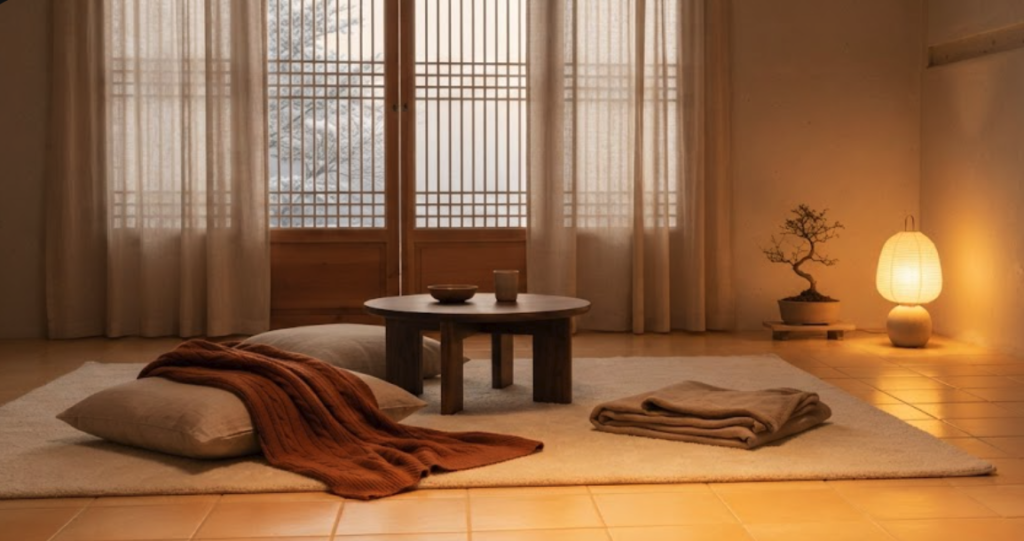
✔ Floor-based lifestyle
Koreans traditionally:
- Sit on the floor
- Sleep on the floor
- Eat at low tables
Warm floors make this possible even in winter.
✔ Family bonding
Families gather on the warmest spot of the floor, called 아랫목.
It’s a symbol of comfort and closeness.
✔ Winter traditions
Warm floors are essential for:
- Kimchi-making season
- New Year gatherings
- Winter holidays
Ondol is not just heating—it’s part of Korean identity.
🔧 4. How Modern Ondol Works
Modern ondol uses boilers (보일러) to heat water.
✔ Gas boiler
Most common
Heats water → circulates through floor pipes
✔ Electric boiler
Used in small apartments or studios
✔ District heating
Large apartment complexes share a central heating system
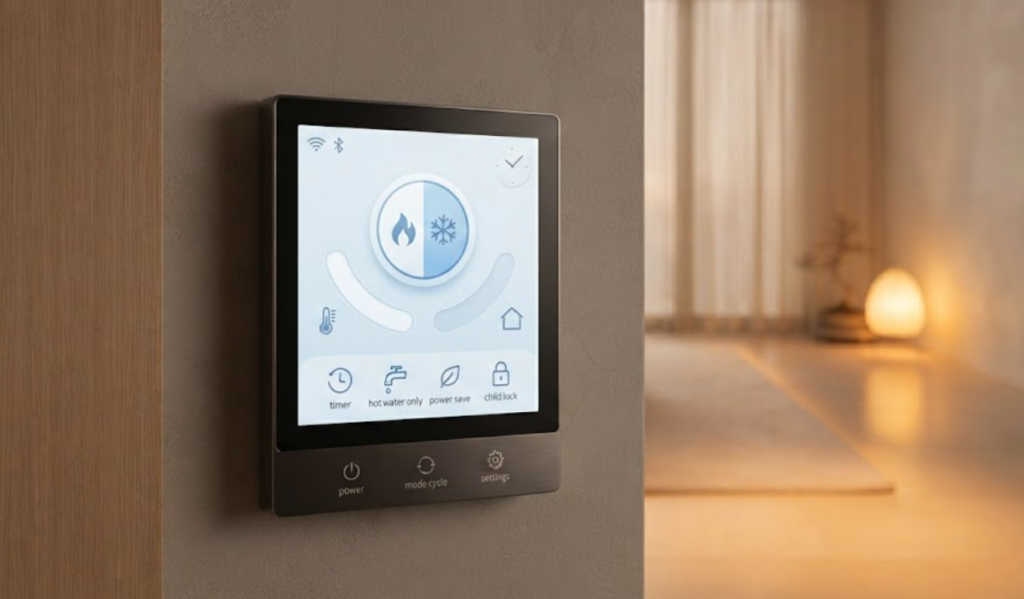
✔ Control panel
Every home has a wall panel to adjust:
- Temperature
- Timer
- Hot water
- Heating zones
Foreigners often say:
“Korean heating controls look like spaceship panels.”
💸 5. Heating Costs: Why Koreans Worry About Gas Bills
Ondol is comfortable, but it can be expensive.
✔ Winter gas bills
Average monthly cost:
- Studio: ₩40,000 ~ ₩80,000
- 2–3 bedroom apartment: ₩100,000 ~ ₩200,000
- Large homes: ₩200,000+
✔ Why costs vary
- Building insulation
- Boiler efficiency
- Personal heating habits
- District heating vs individual boiler
✔ Korean heating habits
Koreans often:
- Heat only at night
- Lower temperature during the day
- Use blankets instead of raising heat
- Close doors to keep heat in one room
Heating culture is a mix of comfort and cost-saving.
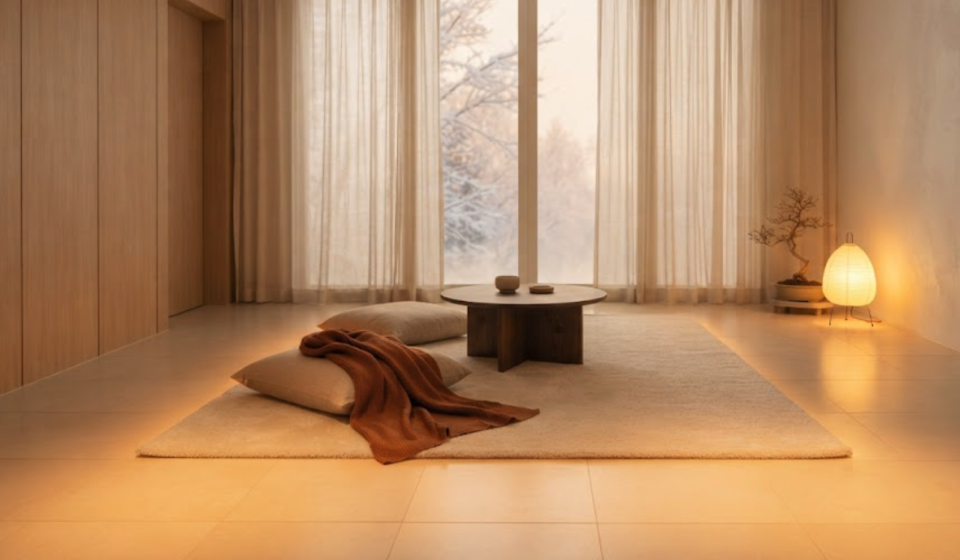
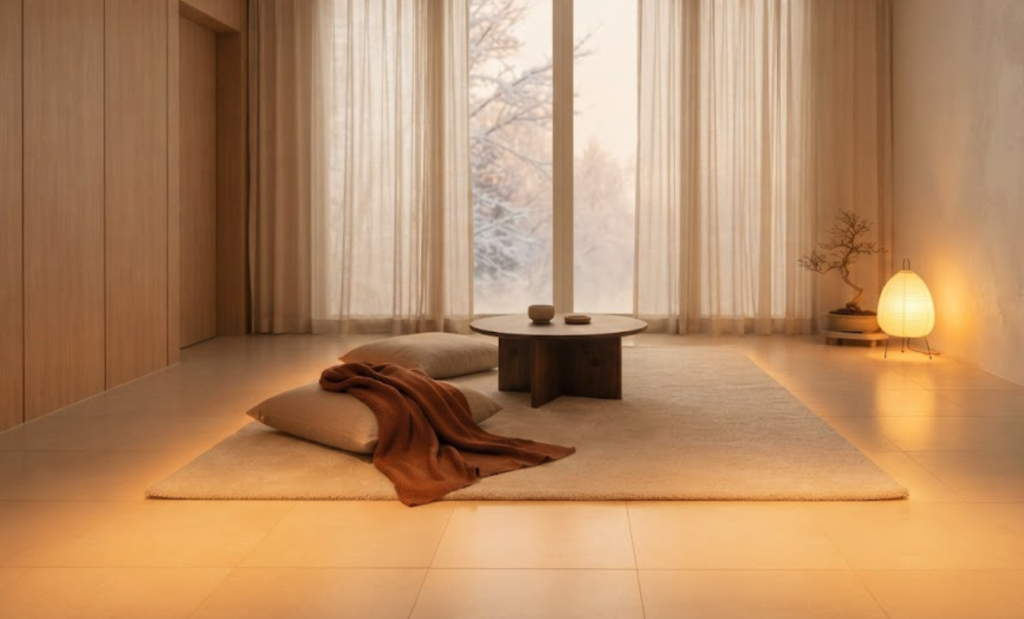
🛏️ 6. Ondol and Korean Interior Design
Ondol influences how Korean homes are designed.
✔ No carpets
Carpets block heat.
✔ No heavy furniture on the floor
Heat must circulate.
✔ Low tables and floor seating
Warm floors make it comfortable.
✔ Bedding stored during the day
Korean-style floor bedding (이불) is used at night.
✔ Warm flooring materials
Vinyl, laminate, and engineered wood are common.
Foreigners often say:
“Korean homes feel minimal but warm.”
❄️ 7. Winter Life in Korea: How Ondol Shapes Daily Routines
Ondol changes how Koreans live during winter.
✔ Morning warmth
Waking up on a warm floor feels luxurious.
✔ Cozy evenings
Families gather in the warmest room.
✔ Drying laundry
Clothes dry faster on warm floors.
✔ Pets love ondol
Cats and dogs sleep directly on the floor.
✔ Sleeping on the floor
Many Koreans still prefer floor bedding in winter.
Ondol makes winter feel comfortable instead of harsh.
🧊 8. Why Foreigners Are Shocked by Ondol
Foreigners often say ondol is one of the best parts of living in Korea.
✔ “The floor is warm!”
A completely new experience.
✔ “I don’t need slippers.”
Barefoot comfort.
✔ “I sleep better.”
Warm floors improve sleep quality.
✔ “My apartment feels cozy.”
Even small studios feel warm.
✔ “Heating is so quiet.”
No fans, no noise.
Ondol is often described as life-changing.
🔥 9. Problems & Challenges of Ondol
Ondol is amazing, but not perfect.
✔ Slow heating
Takes time to warm up.
✔ Expensive gas bills
Especially in old buildings.
✔ Boiler maintenance
Annual check-ups required.
✔ Overheating
Some people accidentally set the temperature too high.
✔ Uneven heating
Old apartments may have cold spots.
Still, most Koreans prefer ondol over any other system.
Ondol is one of Korea’s greatest cultural and technological achievements.
It combines:
- Comfort
- Tradition
- Efficiency
- Health benefits
- Lifestyle compatibility
For foreigners living in Korea, ondol often becomes their favorite part of winter.
It transforms cold nights into warm memories and makes Korean homes feel uniquely cozy.
Ondol is not just heating—it’s a way of life.
🔗 Recommended Links