
When introducing Korea to foreigners, one of the things I feel most confident talking about is Korean food. Korean cuisine is not just delicious—it carries culture, history, balance, warmth, health, and human connection. And in recent years, thanks to K‑dramas, K‑pop, YouTube, and social media, Korean food has spread across the world faster than ever.
But the reason foreigners fall in love with Korean food isn’t simply because it became famous.
It’s because Korean food has a unique charm and depth that people genuinely connect with.
Below, as a Korean, I want to explain—naturally and personally—why foreigners become so fascinated with Korean cuisine.
🥘 1. Balanced flavors: The foundation of Korean food
Korean cuisine is built on balance.
Instead of pushing one strong flavor, Korean food harmonizes multiple tastes.
- Spicy and mild
- Hot and cold
- Meat and vegetables
- Rice and soup
- Main dishes and side dishes
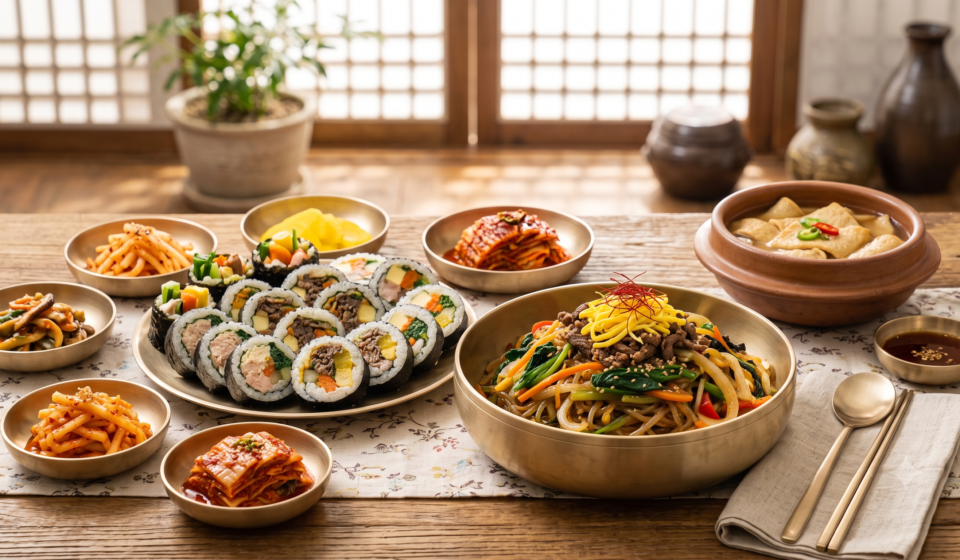
A Korean meal is not “one plate.”
It is one table, filled with different flavors that complement each other.
Foreigners often say Korean food feels “rich,” “balanced,” and “harmonious.”
This variety makes every meal feel complete and satisfying.
🍚 2. Rice: The heart and soul of Korean meals
To understand Korean food, you must understand rice.
Rice is not a side dish—it is the center of the meal.
Most Korean dishes are built around rice:
- Kimchi with rice
- Bulgogi with rice
- Doenjang stew with rice
- Side dishes with rice
- Bibimbap (literally “mixed rice”)
Rice gives comfort, warmth, and emotional stability.
Foreigners often say that after eating Korean meals, they finally understand why Koreans value rice so much.
🥢 3. Side dishes (Banchan): The part foreigners love most
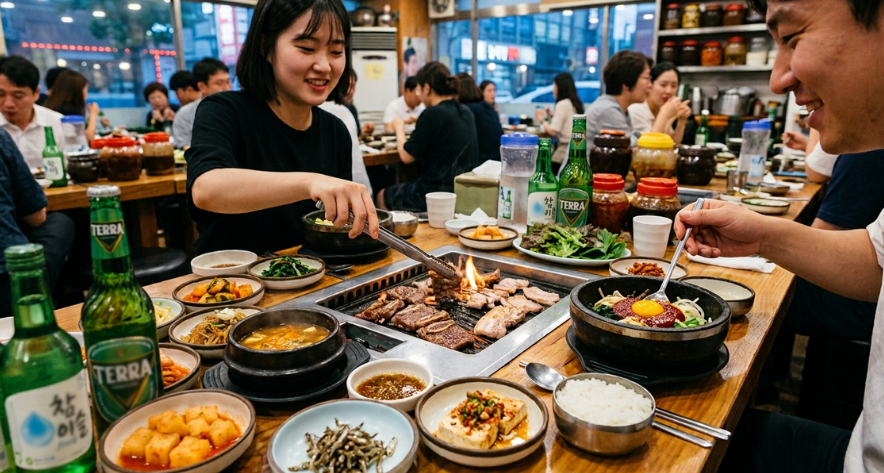
Foreigners are always shocked when they first visit a Korean restaurant:

Yes.
Side dishes are included with the meal, and many restaurants offer free refills.
Common banchan includes:
- Kimchi
- Pickled radish
- Seasoned bean sprouts
- Spinach
- Stir‑fried fish cakes
- Braised potatoes
- Seaweed salad
Banchan represents sharing, generosity, and warmth—a core part of Korean food culture.
🌶️ 4. Kimchi: The soul of Korean cuisine and a global superfood
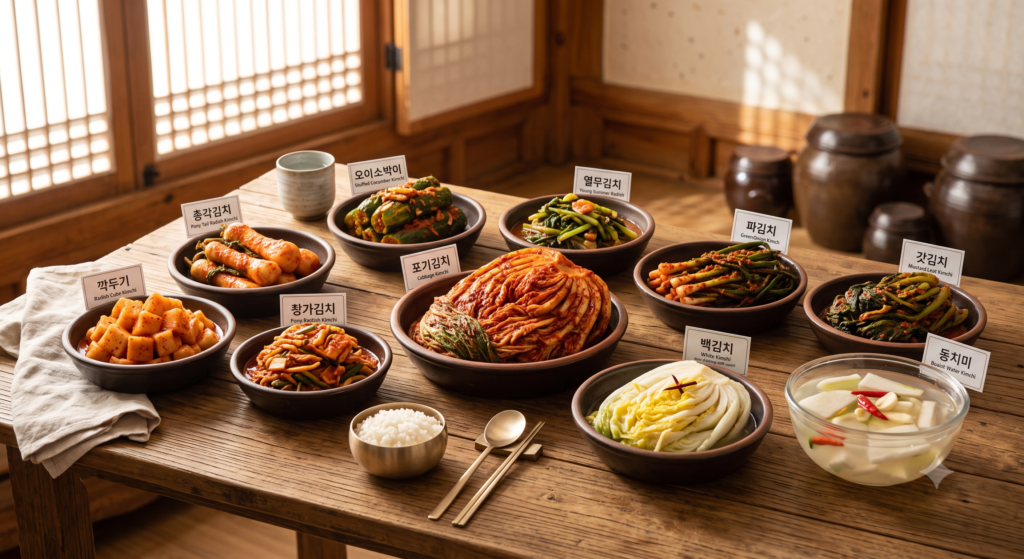
Kimchi is more than food—it is identity.
Made with:
- Napa cabbage
- Chili pepper
- Garlic
- Ginger
- Salt
- Fermented sauces
- And time
Kimchi is spicy, sour, salty, refreshing, and deeply flavorful.
Foreigners often ask:

Most do.
And kimchi is recognized worldwide as a superfood:
- Rich probiotics
- Boosts immunity
- Helps digestion
- Low calorie, high nutrition
- Anti‑inflammatory benefits
Many foreigners say they feel healthier after eating kimchi regularly.
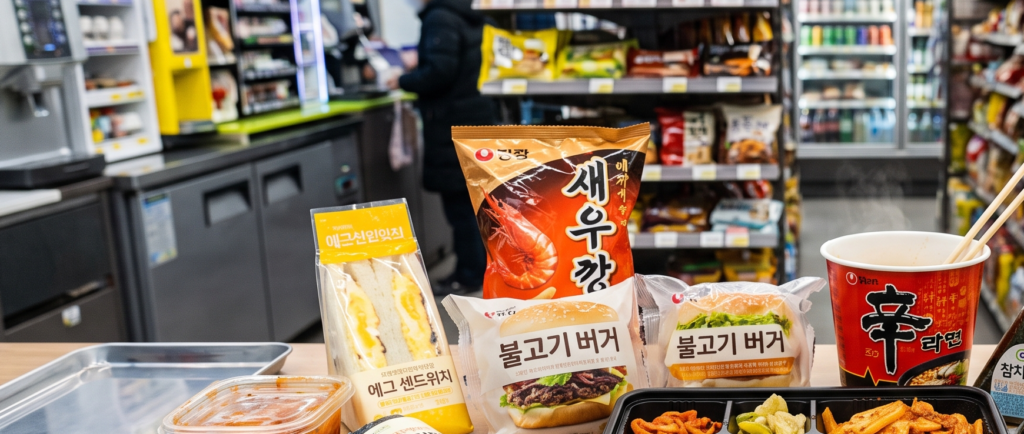
🍲 5. Korean soups and stews: Warm, comforting, and full of depth
Soups and stews are essential in Korean cuisine.
For Koreans, soup is comfort, warmth, and home.
Popular soups and stews include:
- Kimchi stew
- Doenjang stew
- Soft tofu stew
- Seaweed soup
- Seolleongtang
- Galbitang
- Yukgaejang
Foreigners often describe Korean soups as “deep,” “rich,” and “comforting.”
🍖 6. Korean BBQ: A cultural experience, not just a meal
Foreigners almost always fall in love with samgyeopsal first.
Korean BBQ is not just grilling meat:
- You cook it yourself
- You wrap it in lettuce
- You add garlic, chili, and ssamjang
- You eat it with banchan
- You enjoy the perfect harmony of meat + kimchi
Korean BBQ is food + culture + experience.
Foreigners often say it feels like “an event,” not just dinner.
🍜 7. Korean noodles: Fast, flavorful, and addictive
Korea has many noodle dishes:
- Ramen
- Naengmyeon
- Kalguksu
- Janchi‑guksu
- Bibim‑guksu
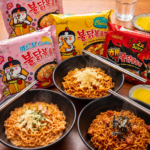
Ramen is especially popular among foreigners because it’s quick, tasty, and everywhere.
Naengmyeon feels unique because it’s cold—something many foreigners have never tried before.
🥗 8. Korean food carries jeong (정): Warmth and human connection
One of the biggest reasons foreigners love Korean food is the feeling of jeong—warmth, care, and connection.
- Sharing side dishes
- Eating together
- Cooking together
- Serving soup to each other
- Preparing food with sincerity
Korean food connects people.
Foreigners often say Koreans “share their hearts through food.”
🥦 9. Korean food is truly healthy
Another major reason foreigners fall in love with Korean cuisine is its healthiness.
Korean food is naturally:
- Vegetable‑rich
- Low in oil
- Full of fermented foods
- Balanced in nutrients
- High in fiber
- Made with natural ingredients
- Hydrating due to soups
Fermented foods like kimchi, doenjang, and gochujang support gut health and immunity.
Many foreigners say:
- “I feel lighter.”
- “My digestion improved.”
- “My skin looks better.”
Korean food is delicious and healthy.
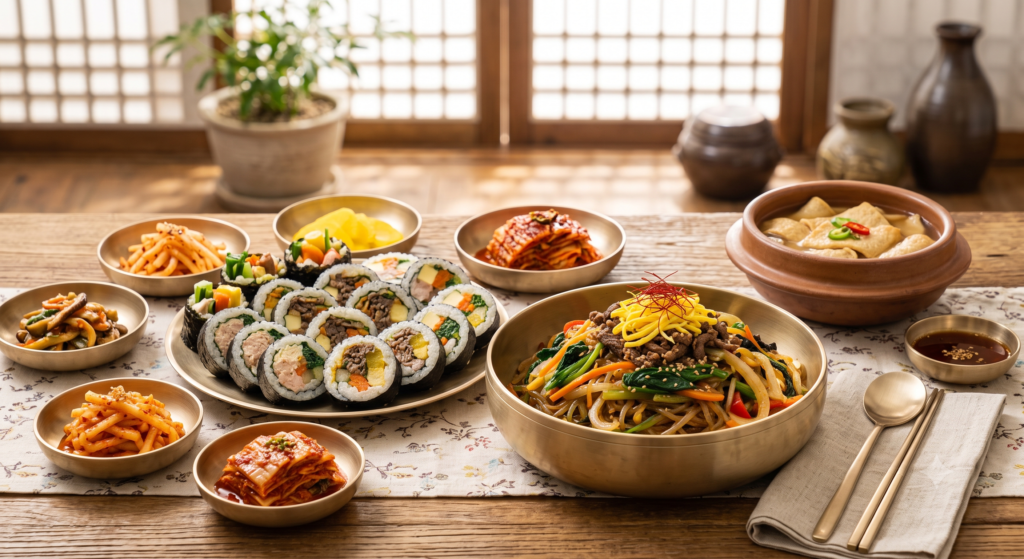
🧭 10. Korean cuisine has history, philosophy, and seasonal harmony
Korean food reflects:
- Four distinct seasons
- A rice‑based agricultural culture
- Advanced fermentation techniques
- Community‑centered dining
- Respect for nature
Seasonal dishes—cold noodles in summer, hot stews in winter—feel refreshing and meaningful to foreigners.
🌏 11. Korean food fits global taste
Korean food is popular worldwide because it suits global preferences:
- Not too salty
- Not too oily
- Flavorful but balanced
- Healthy
- Diverse
- Comforting
Korean spicy flavors are especially loved because they are deep, not just hot.
🎥 12. K‑content boosted Korean food’s global rise
K‑dramas, K‑pop, YouTube, and TikTok made Korean food iconic.
Foods like:
- Kimchi stew
- Samgyeopsal
- Tteokbokki
- Fried chicken
- Bibimbap
- Ramen
appear constantly in Korean media, making foreigners curious and excited to try them.
🧡 13. Korean food connects people
Korean food is about togetherness.
- Sharing
- Cooking together
- Eating together
- Talking over food
- Caring for each other
Foreigners often say Korean meals feel “warm,” “friendly,” and “connected.”
🧾 14. This is why foreigners fall in love with Korean food
In the end, foreigners love Korean food because it is:
- Delicious
- Balanced
- Healthy
- Warm
- Cultural
- Historical
- Social
- Unique
- And deeply meaningful
Korean food is not just food.
It is an experience, a culture, and a feeling.
If you search “Korean food” on YouTube, you’ll find countless real videos showing why people around the world fall in love with Korean cuisine.
✔If you want to explore more detailed insights about Korea,
you can also find valuable information at https://en.hospitalhealthinsightkor.com/.