
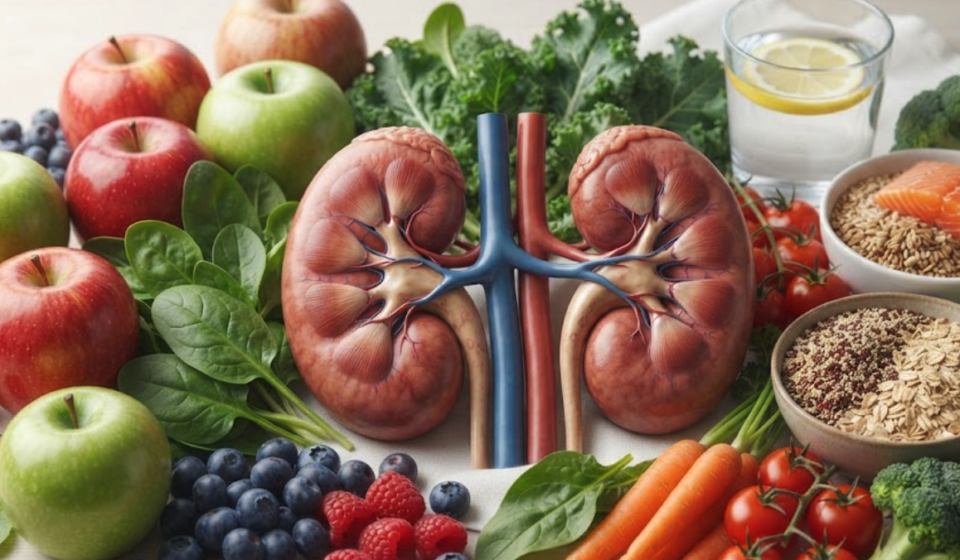
The Real Cause of Kidney Disease Isn’t Salt? Researchers Discover a Surprising Diet Habit

Most people think reducing salt is the key to protecting kidney health. However, research suggests that not eating enough fruits and vegetables may pose an even greater risk for chronic kidney disease.
The Real Cause of Kidney Disease Isn’t Salt? Researchers Discover a Surprising Diet Habit
When people think about protecting their kidneys, they usually focus on one thing:
Salt.
For years, we have been told the same advice.
Eat less sodium.
Avoid salty foods.
Leave the soup broth behind.
Watch your blood pressure.
And while all of that is important, recent research suggests we may be overlooking a much bigger problem.
What if one of the greatest dietary risks for kidney health isn’t what we’re eating too much of, but what we’re not eating enough of?
According to a large international analysis, insufficient fruit and vegetable consumption may be associated with a greater burden of chronic kidney disease than excessive sodium intake.
The findings challenge a belief that many people have held for years and suggest that protecting kidney health requires looking at the entire diet, not just the salt shaker.
The Silent Disease That Millions Don’t Notice
Your kidneys work around the clock.
Every minute of every day, they filter waste products from your blood, regulate fluid balance, help control blood pressure, and maintain healthy levels of important minerals and electrolytes.
The remarkable thing about the kidneys is how resilient they are.
The dangerous thing is that they can lose a significant amount of function before obvious symptoms appear.
That is why chronic kidney disease is often called a silent disease.
Many people do not realize there is a problem until a routine medical examination reveals abnormal kidney function.
Others discover the issue only after substantial damage has already occurred.
This is why prevention is so important.

Why Everyone Focuses on Salt
There is a good reason sodium has received so much attention.
Excessive salt intake has been linked to:
- High blood pressure
- Increased cardiovascular risk
- Fluid retention
- Greater strain on the kidneys
Because of these concerns, reducing sodium has become one of the most common recommendations for kidney health.
And rightly so.
Consistently consuming large amounts of sodium can place unnecessary stress on the body.
However, focusing only on what should be reduced may cause us to ignore something equally important.
What should be added.
The Surprising Discovery
Researchers examined dietary patterns and chronic kidney disease burden across more than 200 countries and territories over several decades.
What they found surprised many experts.
Among diet-related risk factors, the greatest disease burden was associated with insufficient fruit intake.
This was followed by:
- Low vegetable consumption
- Excessive sodium intake
In other words, failing to consume enough nutritious plant foods may contribute more to the overall burden of chronic kidney disease than many people realize.
This does not mean sodium is harmless.
Rather, it highlights the importance of looking at overall dietary quality rather than focusing on a single nutrient.
Why Fruits and Vegetables Matter So Much
Fruits and vegetables provide a wide range of nutrients that support overall health.
These foods are rich in:
- Fiber
- Vitamins
- Minerals
- Antioxidants
- Plant compounds with anti-inflammatory properties
Together, these nutrients help support healthy blood vessels, metabolic health, and overall physiological function.
Because kidney health is closely connected to cardiovascular health, nutritional deficiencies can eventually affect kidney function as well.
A balanced diet does far more than simply control calorie intake.
It helps maintain the systems that support healthy kidney function over time.

The Hidden Role of Blood Pressure
One reason fruits and vegetables may be so important is their relationship with blood pressure.
High blood pressure remains one of the leading risk factors for chronic kidney disease.
Over time, elevated blood pressure can damage the tiny blood vessels inside the kidneys.
Those vessels are responsible for filtering waste products from the bloodstream.
When they become damaged, kidney function begins to decline.
A diet rich in fruits and vegetables often provides nutritional support that may contribute to healthier blood pressure levels as part of an overall healthy lifestyle.
This connection is one reason dietary quality matters so much.
The Growing Problem of Sugary Drinks
The study also highlighted another concerning trend.
The disease burden associated with sugar-sweetened beverages has increased dramatically over recent decades.
Many people think of soft drinks primarily as a weight gain issue.
The reality is broader than that.
Common sugary beverages include:
- Soft drinks
- Sweetened coffees
- Energy drinks
- Flavored beverages
- Sweetened fruit drinks
These beverages often contain large amounts of added sugar while providing very little satiety.
In other words, people consume significant calories without actually feeling full.
Over time, this pattern may contribute to obesity, metabolic disorders, and other conditions associated with poorer kidney health.
Processed Foods Are Also Part of the Problem
Modern diets rely heavily on convenience foods.
They are inexpensive, widely available, and easy to prepare.
Unfortunately, many processed foods contain:
- High levels of sodium
- Refined carbohydrates
- Added sugars
- Artificial additives
Examples include:
- Instant noodles
- Processed meats
- Frozen meals
- Packaged snacks
- Fast food
Occasional consumption is unlikely to be a major concern.
However, when these foods become dietary staples, overall nutritional quality can suffer significantly.
The result may be increased stress on multiple organ systems, including the kidneys.
Why Age Makes Dietary Choices More Important
One of the most interesting findings from the research was that the disease burden associated with poor dietary habits increased with age.
The risk became particularly noticeable after age 65.
This makes sense biologically.
Kidney function naturally declines as we grow older.
The kidneys continue doing their job, but they often become less efficient over time.
As a result, dietary habits that seem relatively harmless during young adulthood may have a much greater impact later in life.
This is one reason health experts increasingly encourage older adults to focus not only on calorie intake but also on nutrient quality.
What Does a Kidney-Friendly Diet Look Like?
Many people assume kidney health requires a complicated meal plan.
Fortunately, the basic principles are quite simple.
The goal is not perfection.
The goal is balance.
1. Eat More Vegetables
Vegetables are among the most nutrient-dense foods available.
They provide fiber, antioxidants, vitamins, and minerals that support overall health.
Including vegetables in every meal can help improve dietary quality significantly.
2. Consume Fruits Regularly
For most healthy individuals, fruits can be an excellent part of a balanced diet.
Whole fruits are generally preferable to fruit juices because they contain natural fiber.
Fiber helps slow digestion and contributes to feelings of fullness.
3. Reduce Processed Foods
Highly processed foods often contain excessive sodium and added sugars.
Replacing some processed foods with minimally processed alternatives can be beneficial for both kidney and cardiovascular health.
4. Choose Water More Often
One of the easiest dietary improvements involves beverages.
Replacing sugary drinks with water can significantly reduce unnecessary sugar and calorie intake.
5. Include Whole Grains
Whole grains generally contain more nutrients and fiber than highly refined alternatives.
Including them as part of a balanced diet can contribute to overall nutritional quality.

An Important Exception: Advanced Kidney Disease
While fruits and vegetables are beneficial for many people, there is an important exception.
Individuals with advanced chronic kidney disease must be more cautious.
Many fruits and vegetables contain potassium.
Healthy kidneys can usually regulate potassium levels effectively.
However, when kidney function declines significantly, potassium may accumulate in the bloodstream.
This condition, known as hyperkalemia, can become dangerous.
For this reason, patients with significant kidney impairment should always speak with their healthcare provider before making major changes to fruit and vegetable intake.
Nutritional recommendations for advanced kidney disease are highly individualized.
Protecting Your Kidneys Starts at the Dinner Table
When most people think about kidney health, they think about reducing salt.
The research suggests a broader perspective may be necessary.
Avoiding excessive sodium remains important.
But so does consuming enough fruits and vegetables.
So does limiting sugary drinks.
So does reducing reliance on heavily processed foods.
True kidney protection is not about avoiding one ingredient.
It is about building a balanced dietary pattern that supports long-term health.
The question may not be whether you eat too much salt.
The better question might be this:
Are you eating enough of the foods that help protect your kidneys in the first place?
The answer could reveal far more about your future kidney health than you realize.