Foreign Tourists Are Flying to Korea for Olive Young Sales: How K-Beauty Is Creating a New Tourism Industry

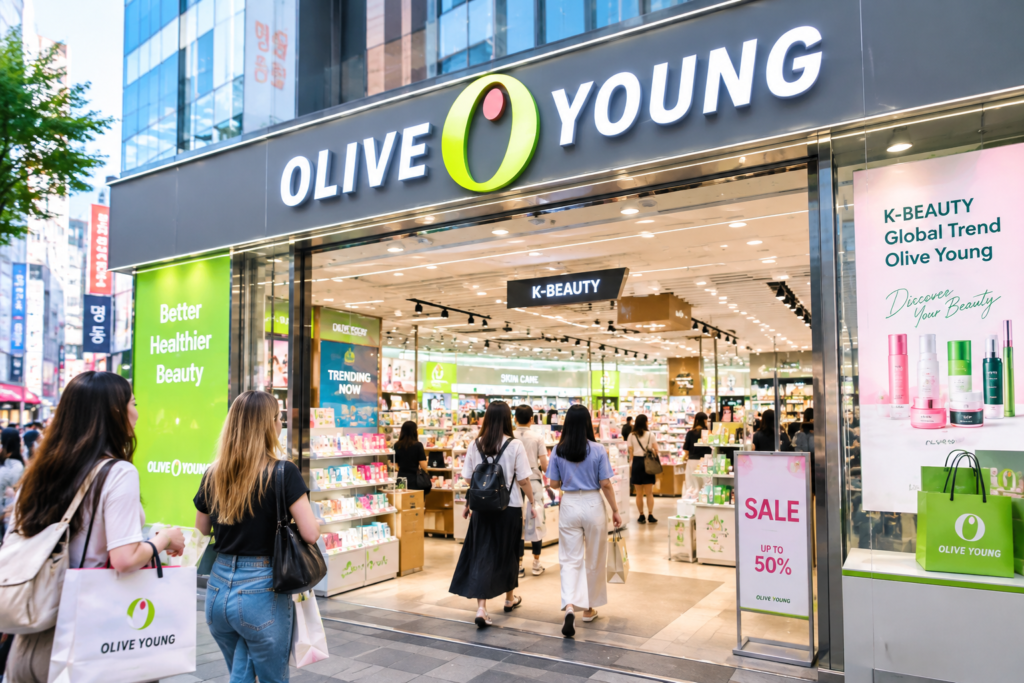
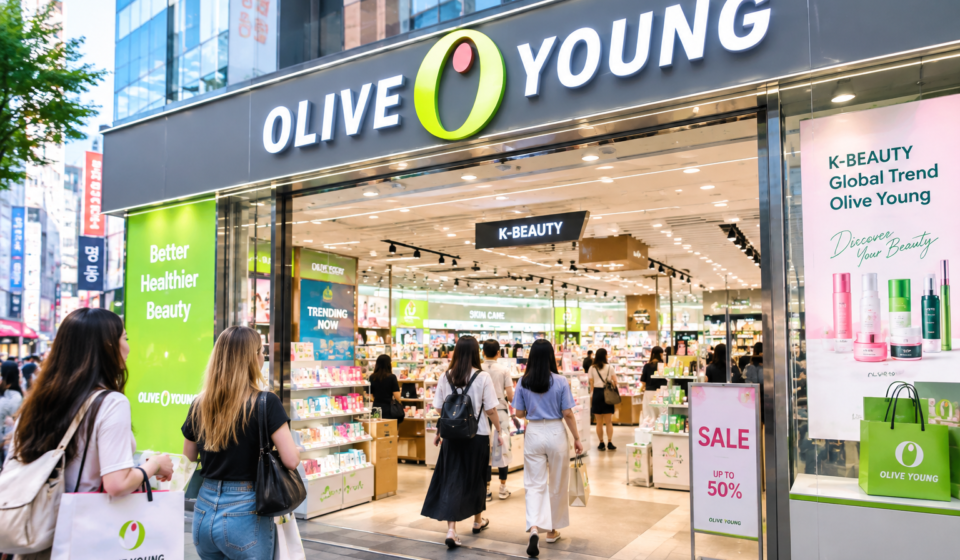
Koreans traveling to Japan and shopping extensively at Don Quijote is a familiar sight. But now, the opposite trend is emerging. Foreign tourists are coming to South Korea specifically to shop at a particular retailer. It is not a luxury boutique or a department store. It is Olive Young.
During recent Olive Young sales, international customers have increasingly planned their trips around shopping for Korean beauty products. Rather than simply stopping by while sightseeing, some travelers check sale dates, book flights and accommodation, prepare shopping lists, and make Olive Young a key destination during their stay.
Why are foreign tourists traveling all the way to Korea to shop at Olive Young? And could this trend become more than a cosmetics craze? It may signal the emergence of a new growth industry for the Korean economy.
Korean Tourism Is Changing
In the past, many international tourists visited South Korea primarily to see famous attractions such as Myeongdong, N Seoul Tower, and Gyeongbokgung Palace. They explored landmarks, enjoyed Korean food, and bought souvenirs before heading home.
Today, travel preferences are changing. More visitors want to experience everyday Korean life and lifestyle rather than simply visit famous tourist attractions.
This trend has been strengthened by the global popularity of K-pop, Korean dramas, and Korean online content. International consumers want to try the cosmetics used by Korean celebrities and influencers and purchase products that are trending in Korea.
In the past, famous landmarks were major travel destinations. Today, Korean lifestyles and consumer culture are becoming travel experiences in their own right. Olive Young is at the center of this shift.
Why Foreign Tourists Choose Olive Young
One of Olive Young’s biggest advantages is its wide selection of Korean beauty brands and products in one place. Shoppers can explore products at different price points, from skincare and makeup to hair and body care. They can also discover emerging brands and new products.
For international visitors, Olive Young is more than a cosmetics store. It is a place to experience the latest trends across Korea’s beauty industry.
Social media plays a major role in this popularity. TikTok and YouTube feature countless recommendations for Olive Young products, Korean beauty shopping guides, product comparisons, and shopping experiences. These posts attract international consumers and can encourage them to visit Korea in person.
In the past, K-pop and Korean dramas helped introduce Korea to the world. Now, K-beauty shopping content is also helping attract international tourists.
How Sales Events Encourage Repeat Visits
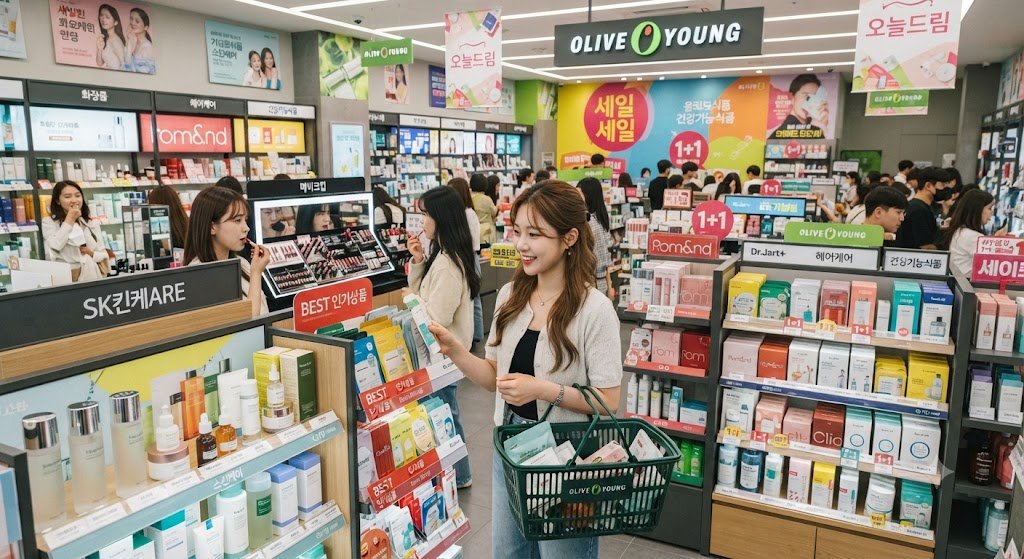
Another distinctive feature of Olive Young is its regular promotional events and constantly changing product trends. New products continue to appear, and popular items change quickly, giving shoppers reasons to return.
The growing interest in revisiting Korea during sales periods is particularly noteworthy. If the discount schedule of a retailer begins to influence international travel plans, that retailer is becoming more than a store. It is also becoming a travel destination.
When international customers repeatedly return to Korea, it may indicate that interest in Korean cosmetics and beauty brands is developing beyond a one-time trend.
However, whether repeat visits translate into long-term customer loyalty needs to be assessed using factors such as visit frequency and actual spending.
How K-Pop and Korean Dramas Drive Consumer Spending
Many people consider K-pop and Korean dramas to be two of South Korea’s leading cultural exports. But the economic value of cultural content extends beyond the content itself.
Someone who discovers K-pop may start buying Korean cosmetics. A viewer who enjoys Korean dramas may become interested in Korean fashion. Someone who follows Korean online creators may begin purchasing Korean food products.
In this way, cultural interest can translate into real consumer spending.
This phenomenon is closely connected to soft power: the ability of a country’s culture to influence preferences and create demand for its products and services.
As positive perceptions of Korean culture lead to greater interest in Korean products, multiple industries gain opportunities to grow together.
Olive Young is one retail channel that connects this cultural interest with actual purchases. Consumers discover Korean culture, search for products, and sometimes travel to Korea to buy them in person. Content, shopping, and tourism become interconnected.
How International Tourism Spreads Money Across the Economy
When international tourism grows, cosmetics companies are not the only businesses that benefit. Airlines, hotels, duty-free retailers, restaurants, transportation services, and payment companies can also gain from increased spending.
For example, a tourist visiting Korea to buy cosmetics may also spend money on flights, accommodation, food, and transportation. A shopping trip can generate spending across several sectors.
Economists describe the process by which one person’s spending becomes another person’s income and may lead to further spending as the multiplier effect.
The actual economic impact, however, depends on factors such as total tourist spending, the value created domestically, and the proportion of imported goods.
That is why evaluating K-beauty tourism requires more than looking at cosmetics sales. Length of stay, average spending per visitor, accommodation expenses, and spending in local communities also matter.
K-Beauty Could Bring New Opportunities Beyond Seoul
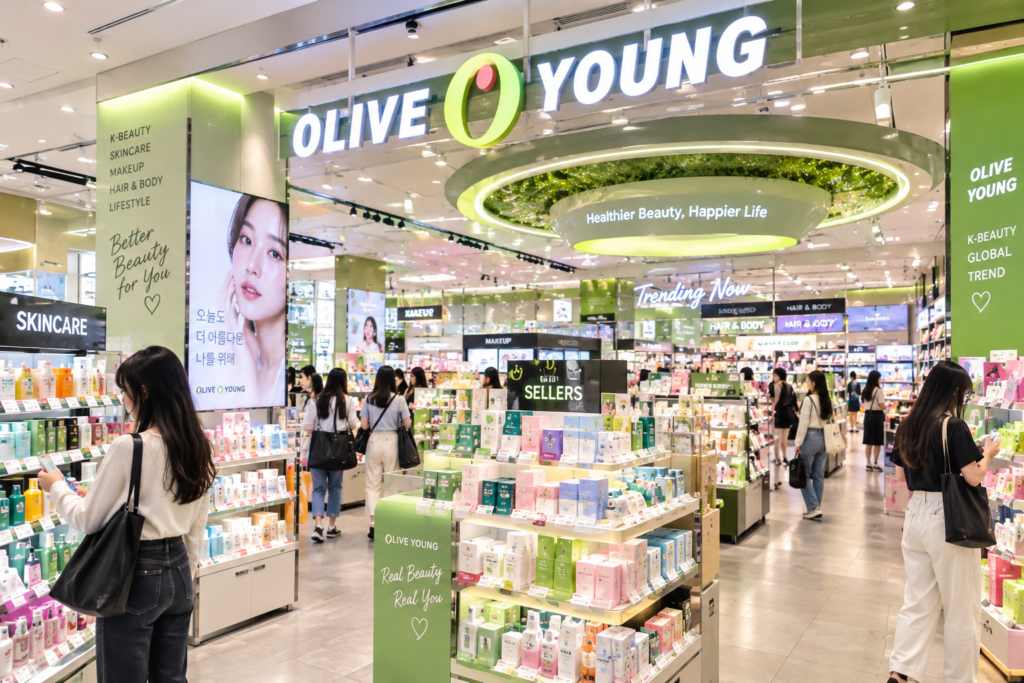
Another important question is whether international visitors’ spending can spread beyond Seoul. Tourists visiting other destinations, including Busan and Jeju, may also shop for Korean beauty products during their trips.
If foreign consumer spending expands to stores outside the capital region, it could create new opportunities for local businesses and tourism operators. Restaurants, hotels, and transportation services could benefit from the additional spending.
To understand this trend accurately, however, regional sales growth should be assessed alongside international visitor numbers, individual store performance, and year-over-year comparisons. It is also important to distinguish sales growth driven by tourism from growth caused by other factors.
Is K-Beauty a Passing Trend or a Long-Term Growth Industry?
K-beauty is attracting global attention for several reasons: a broad range of products, rapid product development, competitive ingredients and pricing, and the ability of social media to spread trends quickly.
Consumers are increasingly interested not only in established global brands but also in emerging brands and products discovered online.
This creates opportunities for Korean beauty companies to build international recognition. If overseas consumers try products during a visit to Korea and later repurchase them online, physical retail and e-commerce can reinforce each other.
However, a growing market does not guarantee success for every brand. Sustainable international growth requires product quality and safety, competitive pricing, compliance with local regulations, reliable distribution, and consumer trust.
To determine whether K-beauty is building a lasting competitive advantage, it is important to look beyond short-term popularity and examine recurring overseas sales, repeat purchases, profitability, and expansion into new markets.
Four Areas to Watch in the K-Beauty Industry
First, Korean beauty brands with international growth potential. Brands that turn awareness into actual purchases and repeat customers may have opportunities for long-term growth.
Second, the tourism industry. As shopping becomes an important reason to visit Korea, airlines, hotels, transportation services, and restaurants may benefit from increased tourist spending.
Third, retail and platform businesses. Retail channels that connect consumers with a wide range of brands and make product discovery and purchasing easier may become increasingly important. Their long-term value will depend not only on sales growth but also on profitability, competition, and the cost of international expansion.
Fourth, global e-commerce. International consumers do not need to travel to Korea to purchase Korean beauty products. If in-store experiences lead to online repurchases, businesses could expand their reach and connect physical tourism with digital commerce.
A New Growth Model for the Korean Economy
South Korea has traditionally been known for manufacturing products and exporting them to global markets. Today, another economic model is emerging: cultural content is helping generate demand for consumer goods and tourism at the same time.
Interest in Korean culture, initially fueled by K-pop and Korean dramas, can translate into spending on beauty products, fashion, food, and other goods. When this demand is combined with the desire to visit Korea and experience products firsthand, a connected economic ecosystem begins to take shape.
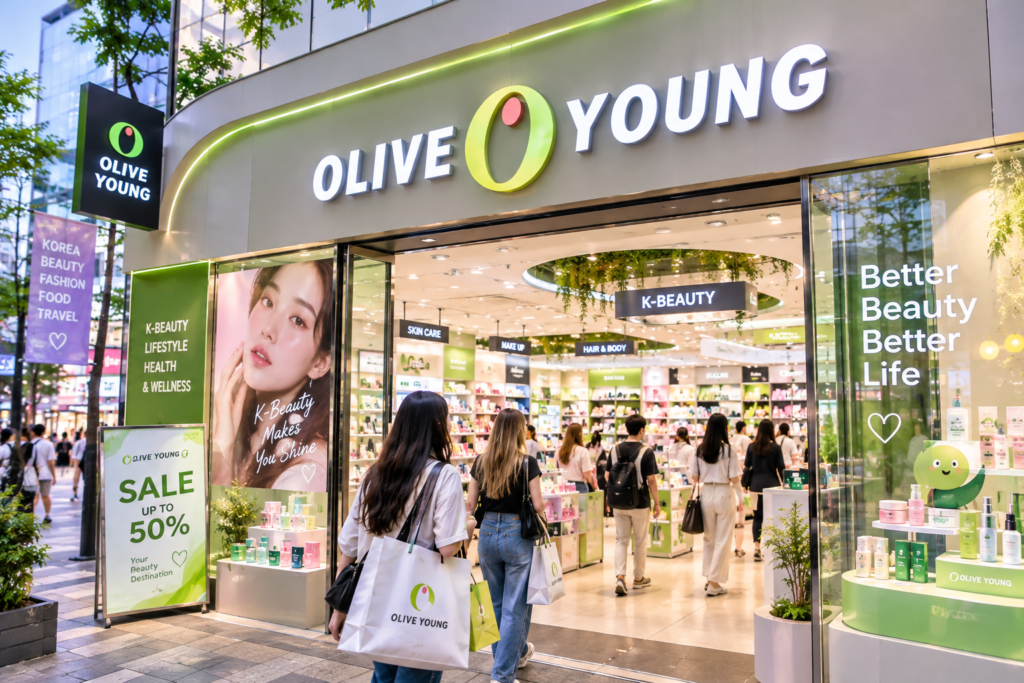
Foreign tourists planning trips around Olive Young sales offer an example of this broader shift. Olive Young is more than a cosmetics retailer. It can serve as a destination where visitors experience Korean beauty trends and as a point of connection between international tourism and consumer spending.
If international travelers increasingly come to Korea not only to see famous landmarks but also to experience Korean products and lifestyles, K-beauty could become a growth driver linking cosmetics, tourism, retail, and regional economies.
Whether this momentum develops into sustainable long-term growth will depend on actual tourist spending, repeat visits, overseas repurchases, and business profitability.
The key question is whether the global K-beauty boom can evolve from a popular trend into a lasting source of industrial competitiveness for South Korea.