
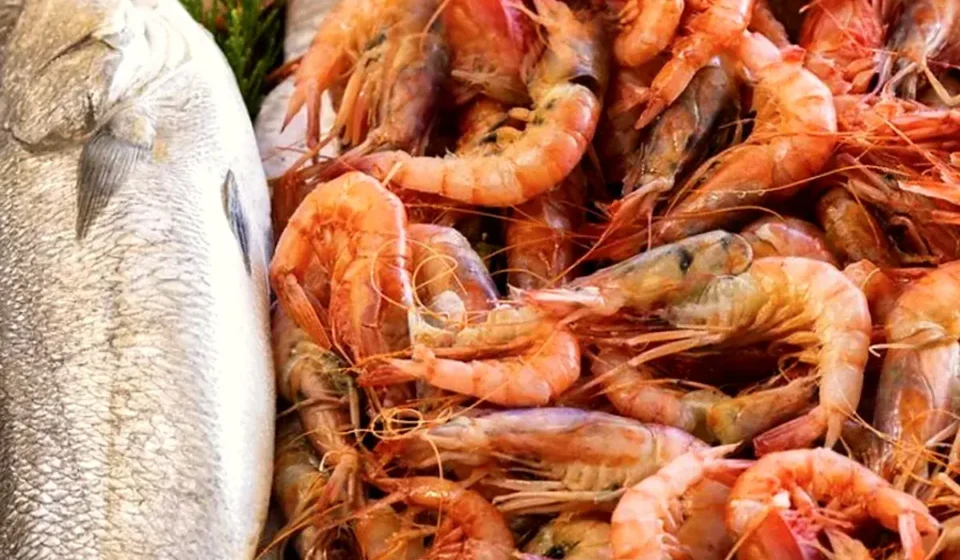

When Koreans pick fresh shrimp for kimchi, freshness matters far more than size. Check three things before you buy: a clean, faint sea smell, a translucent glossy color, and firm flesh that springs back. If the shrimp pass all three, you don’t need the biggest ones on the counter.
If you have ever eaten kimchi at a Korean home and wondered why it tasted so deep and savory, there is a good chance raw shrimp went into the seasoning. During kimjang, the late-autumn season when families make winter kimchi in bulk, many households blend fresh raw shrimp (saengsaeu, 생새우) into the chili paste alongside salted shrimp (saeujeot). To foreigners this can sound unusual, but it is one of the quiet secrets behind kimchi from homes known for making it well.
Because the shrimp go in raw and sit in the seasoning for weeks, any fishy smell or mushy texture doesn’t disappear. It gets stronger. That is why choosing the right shrimp is the first step of a good kimjang.
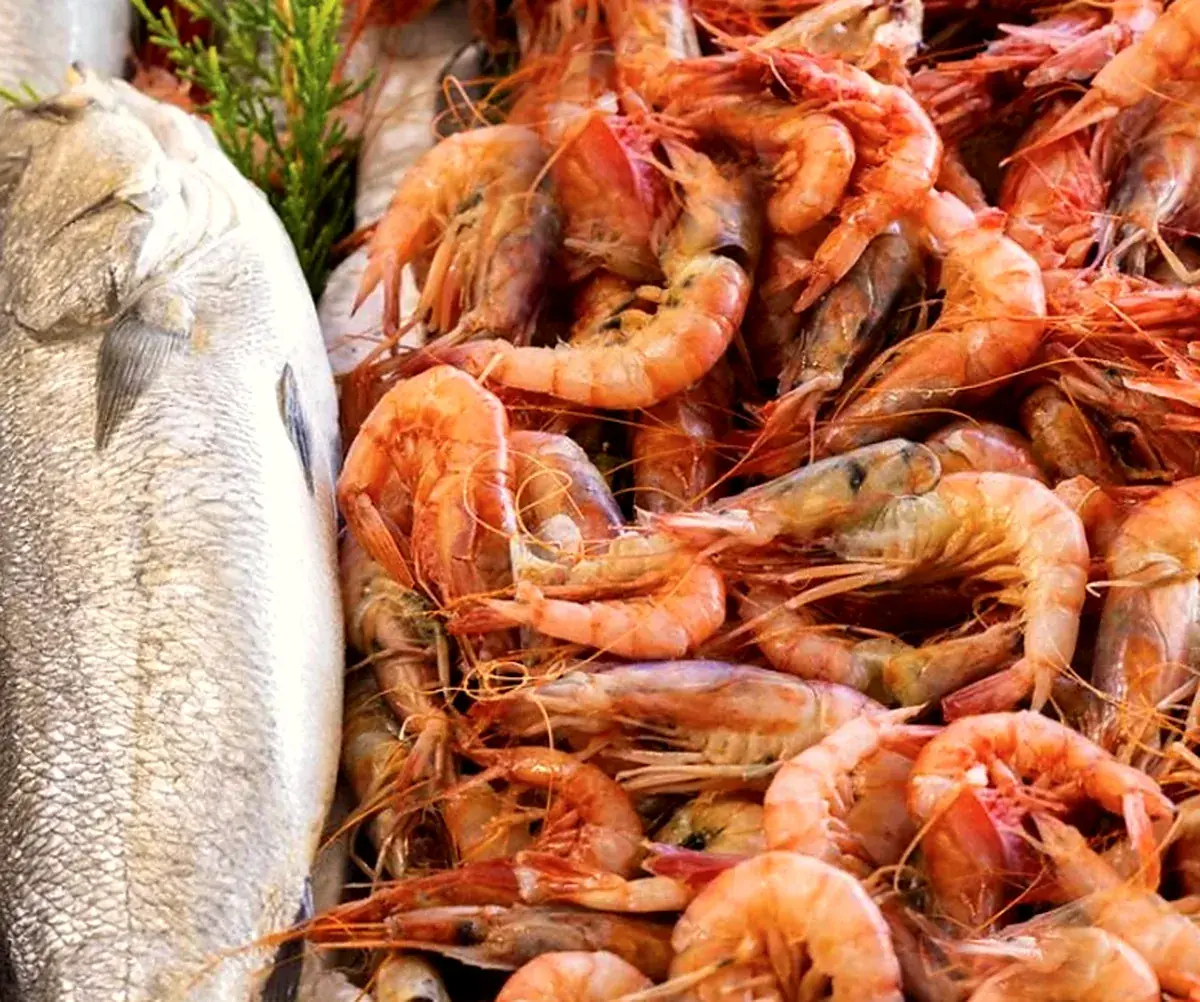
How Do You Know If Shrimp for Kimchi Is Fresh?
You can check freshness in under a minute at the counter. Run through these four points before anything else.
- Smell: A faint, clean ocean scent is fine. Walk away if you notice ammonia, a sour note or a strong fishy odor.
- Color and gloss: Good shrimp look clear to translucent with a natural sheen. Dull, grayish shrimp that look flattened should go to the bottom of your list.
- Firmness: Press the flesh lightly. If it spreads out or feels limp and soft, freshness has likely dropped.
- Moisture: Shrimp dripping with water may have been thawed or damaged in storage. Look again before you use them.
Shells that look dried out are a warning, but so is a pool of water in the tray. The sweet spot is translucent color with a light, natural shine.
Is Frozen Shrimp Worse Than Fresh Shrimp for Kimjang?
Not always. Frozen shrimp can work well. What changes the result is how it was stored and how you thaw it. Use this table to decide quickly.
| Situation | Why it can work | What to check |
|---|---|---|
| Fresh raw shrimp, used the same day | Keeps aroma and bite best | Sea smell only, no graying, no excess water |
| Frozen shrimp, thawed the day before or on kimjang day | Texture stays stable if thawed properly | Little wet, thawed-looking surface; ice glaze mostly intact |
| Frozen shrimp with clear signs of thawing (soggy surface) | Aroma tends to fade in the kimchi | Rising smell, dull color, weak texture: skip it |
Even more important than “small is fine” is whether the smell is clean. Garlic, ginger and chili powder will not cover a bad shrimp smell.
What to Check by Package Type
Two packs with the same label can be in very different condition, and that difference shows up in the finished kimchi.
- Translucency: Shrimp that look dark, gray or pressed flat should be your last choice.
- Surface shine, not soaking wet: Heavy moisture often means the shrimp were thawed and refrozen.
- Texture by touch: Flesh that falls apart easily will give the kimchi a weaker bite.
- Ice in the package: Lots of crushed, broken ice can mean the surface of the shrimp was damaged.
Raw shrimp stay in the kimchi seasoning for a long time, so a clean first aroma is everything. If the shrimp look good but the smell feels “off,” treat that as your answer.
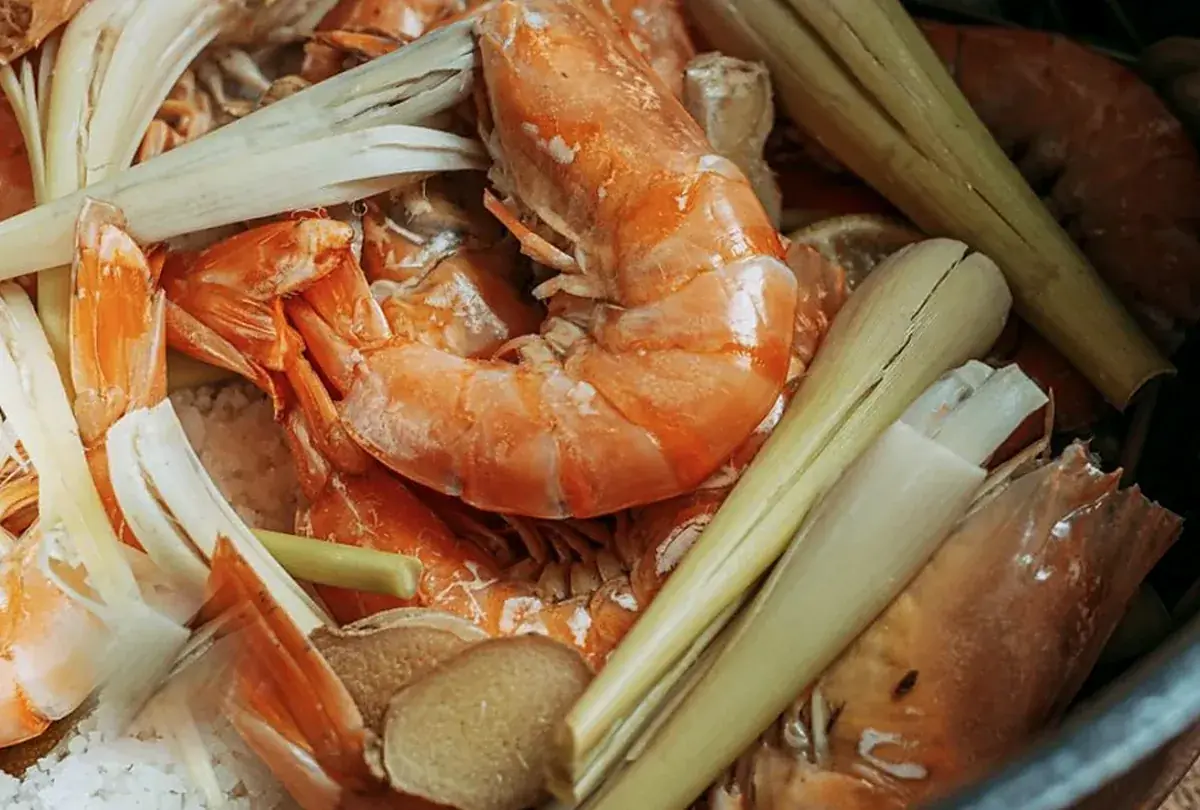
How Should You Thaw Frozen Shrimp for Kimchi?
Many kimjang batches lose flavor during thawing, not at the market. These simple rules cut most of the risk.
- Thaw in the refrigerator. Avoid leaving shrimp out at room temperature.
- Keep them out of the melt water. Use a sieve or paper towels so the shrimp don’t sit in liquid.
- Prep right away. Once thawed, clean and use the shrimp without letting them sit.
- Smell once more before mixing. If an odor appears after cleaning, don’t use them.
A lot of water after thawing usually means flavor has been washed out. Drain the shrimp well and move straight to the next step.
Quick Checklist: From Market to Kimchi Bowl
- Smell: light sea scent, nothing harsh
- Color: translucent and glossy, not gray or cloudy
- Texture: firm, does not go mushy when pressed
- Moisture: not dripping wet
- Thawing: in the fridge, used soon after
Common Myths About Shrimp in Kimchi
Myth: A slight fishy smell will disappear in the seasoning.
Reality: Strong odors are hard to hide. In kimchi, smell is the first pass-or-fail test.
Myth: Slightly dark shrimp taste the same.
Reality: Grayish color often comes with softer texture and weaker aroma. Translucent shrimp are the safer pick.
Myth: Bigger shrimp make better kimchi.
Reality: Size matters only after freshness. Small, fresh shrimp beat large, tired ones every time.
Frequently Asked Questions
Why do Koreans put raw shrimp in kimchi?
Raw shrimp add natural sweetness and a rich, savory depth to the kimchi seasoning. Many families use it together with salted shrimp during kimjang for a fuller flavor.
Is raw shrimp different from salted shrimp (saeujeot)?
Yes. Saeujeot is small shrimp fermented in salt and keeps for a long time. Fresh raw shrimp are unsalted and must be used quickly, which is why freshness checks matter so much.
What size shrimp should I buy for kimchi?
Choose freshness first. Once the shrimp pass the smell, color and firmness checks, any common size works, because the shrimp are usually ground or chopped into the seasoning.
Can I make kimchi without shrimp?
Yes. Many recipes skip raw shrimp, and vegan kimchi is common. You will simply get a lighter, less savory flavor.
Related Reading on Korean Food
- Korean Fermented Foods and Kimchi Seasoning Suppliers: 5 Sellers for Bulk Orders
- Why Kimchi Became the Most Celebrated Fermented Food in the U.S.
- Korean Fermented Foods: Gut Health & Immunity
- Busan Seafood Culture Explained for Foreigners
- Why Korean Side Dish Culture Exists: The Real Reason There Are So Many Banchan
- Why Are Americans Buying Korean Kimchi Refrigerators?
The next time you taste kimchi at a Korean home, remember that its depth may have started at the seafood counter, with someone patiently checking the smell, color and firmness of fresh shrimp.