
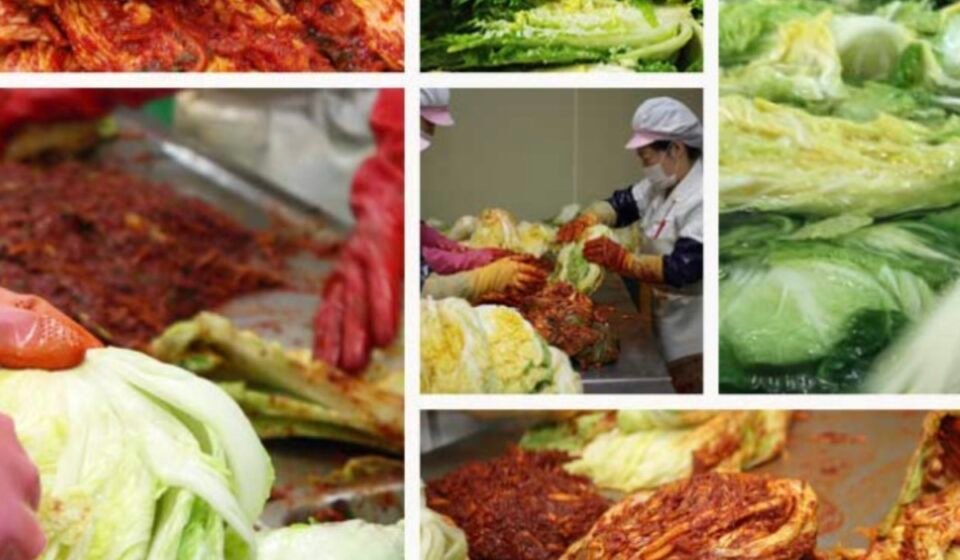

We recommend Korean fermented foods, and kimchi above all. If you want to make kimchi at scale, you can start by contacting a Korean kimchi seasoning supplier directly. Below are five sellers that ranked in the top five for kimchi seasoning on Naver, Korea’s largest shopping search platform, with their contact details. Many people who make kimchi at home, including in the United States, eventually want a larger and steadier supply. If you are thinking about turning that into a business, this list is a practical place to start.
Why do we recommend Korean fermented foods?
Korean cooking relies on fermentation. Kimchi is the best known example, but soybean paste (doenjang, 된장), chili paste (gochujang, 고추장), soy sauce (ganjang, 간장), and salted seafood (jeotgal, 젓갈) are also everyday staples. They add deep flavor to simple meals, and they are a large part of what makes Korean food taste Korean.
Kimchi deserves special attention. Koreans eat it at almost any meal, and it combines vegetables with fermentation. Many Koreans consider it good for the bowels, and early research gives that belief some support.
Is kimchi good for your gut and your brain?
Kimchi may support gut comfort, especially in people with irritable bowel syndrome, but the evidence is still limited. A link between a comfortable gut and a sharper brain is a promising idea, not a proven effect.
- Kimchi and the bowel: In a 2022 study, 90 people with irritable bowel syndrome ate 210 g of kimchi a day for 12 weeks. Symptoms such as abdominal discomfort and bloating improved. All three groups ate kimchi, so this study cannot prove how much of the change came from kimchi itself.
- Fermented foods and the gut: In a small 2021 trial in Cell, healthy adults on a high-fermented-food diet had greater gut microbiota diversity and lower inflammatory markers.
- The gut and the brain: The gut and the brain communicate in both directions through nerves, hormones, and immune signals. Scientists call this the gut-brain axis. This helps explain why stress can upset your stomach, and why gut health interests brain researchers.
- Fermented foods and thinking: A 2025 systematic review of 21 studies found possible cognitive benefits, but its authors said the evidence cannot yet prove cause and effect. We found no study showing that kimchi itself improves brain function.
Kimchi also has a downside: it is often high in salt. Some Korean case-control studies link high kimchi intake to stomach cancer, although those studies are prone to bias. A 2020 analysis found no clear link in two Korean cohorts, but pooled studies linked more pickled vegetables to higher risk. Enjoy kimchi as one part of a varied diet, and consider lower-salt recipes. If you have high blood pressure, kidney disease, or a digestive condition, ask your doctor how much is right for you.
Do not use any of these research results as product claims without legal advice. Health claims on food are regulated, and the study results above do not apply automatically to your product.
What is kimchi seasoning?
Kimchi seasoning (gimchi yangnyeom, 김치양념) is the ready-made paste that gets mixed into salted cabbage. It usually combines Korean chili flakes (gochugaru, 고춧가루) with ingredients such as garlic and ginger, and often salted seafood or fish sauce. Buying it ready-made saves preparation time and can make the flavor more consistent from batch to batch. Recipes differ by seller, so always ask for the full ingredient list.
Which Korean sellers should you contact?
These sellers are listed in the order of the Naver ranking we reviewed. Rankings change often, and a retail ranking does not tell you about a seller’s production capacity. We have not tested their products, and we have not confirmed that each one manufactures its own seasoning, offers bulk prices, or exports.
1. Jayeon Sarang (자연사랑), Ijang Myeoneuri (이장며느리)
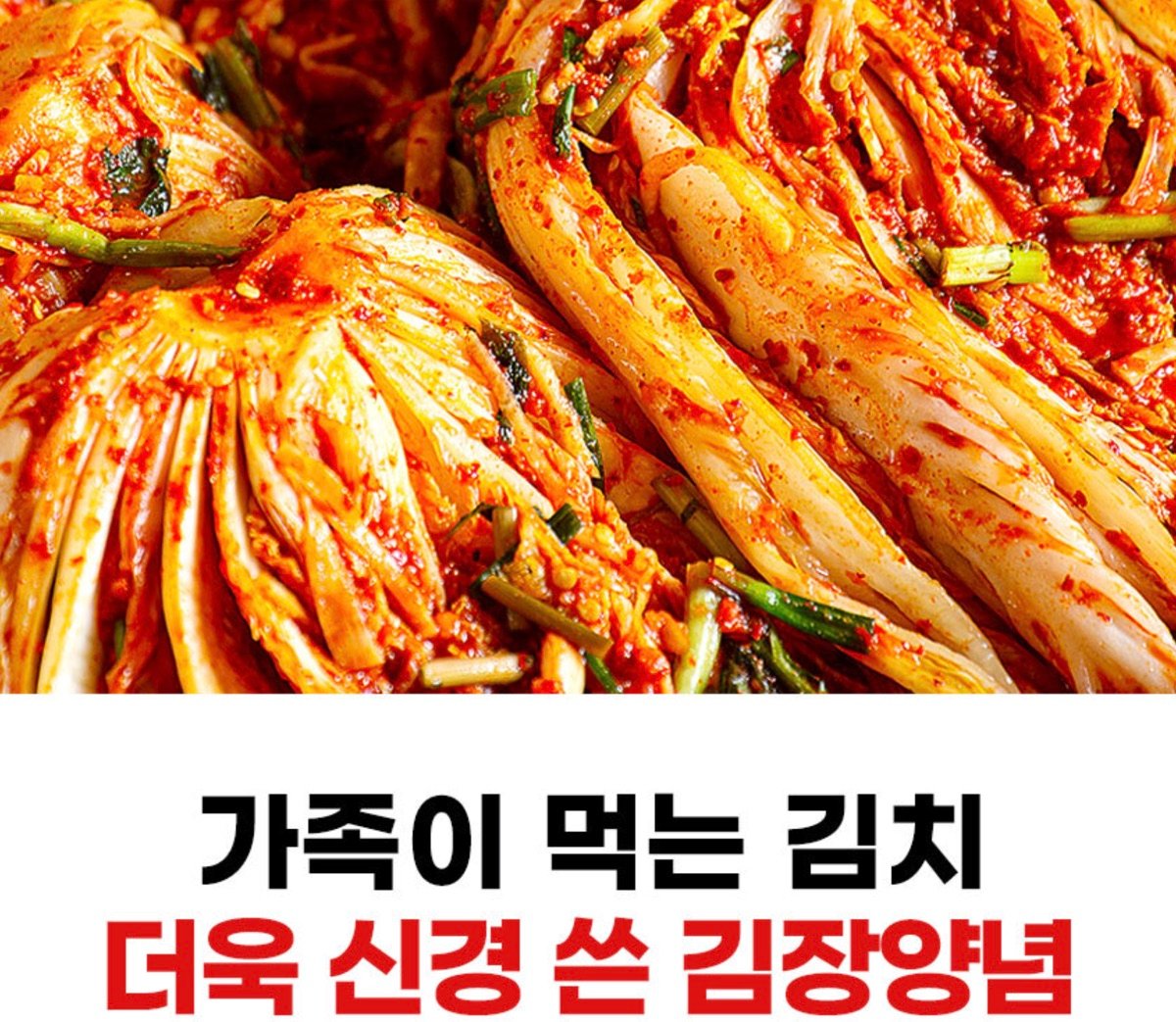
- Store: smartstore.naver.com/natural8127
- Email: natural8127@gmail.com
- Phone: +82-10-7581-6202
- Address: Room 3, 2F, CJ Logistics Main Building, 114 Songam-ro, Nam-gu, Gwangju, 61738, South Korea
2. Bitchaeul Co., Ltd. (주식회사 빛채울), Eosa Kimchi (어사김치)
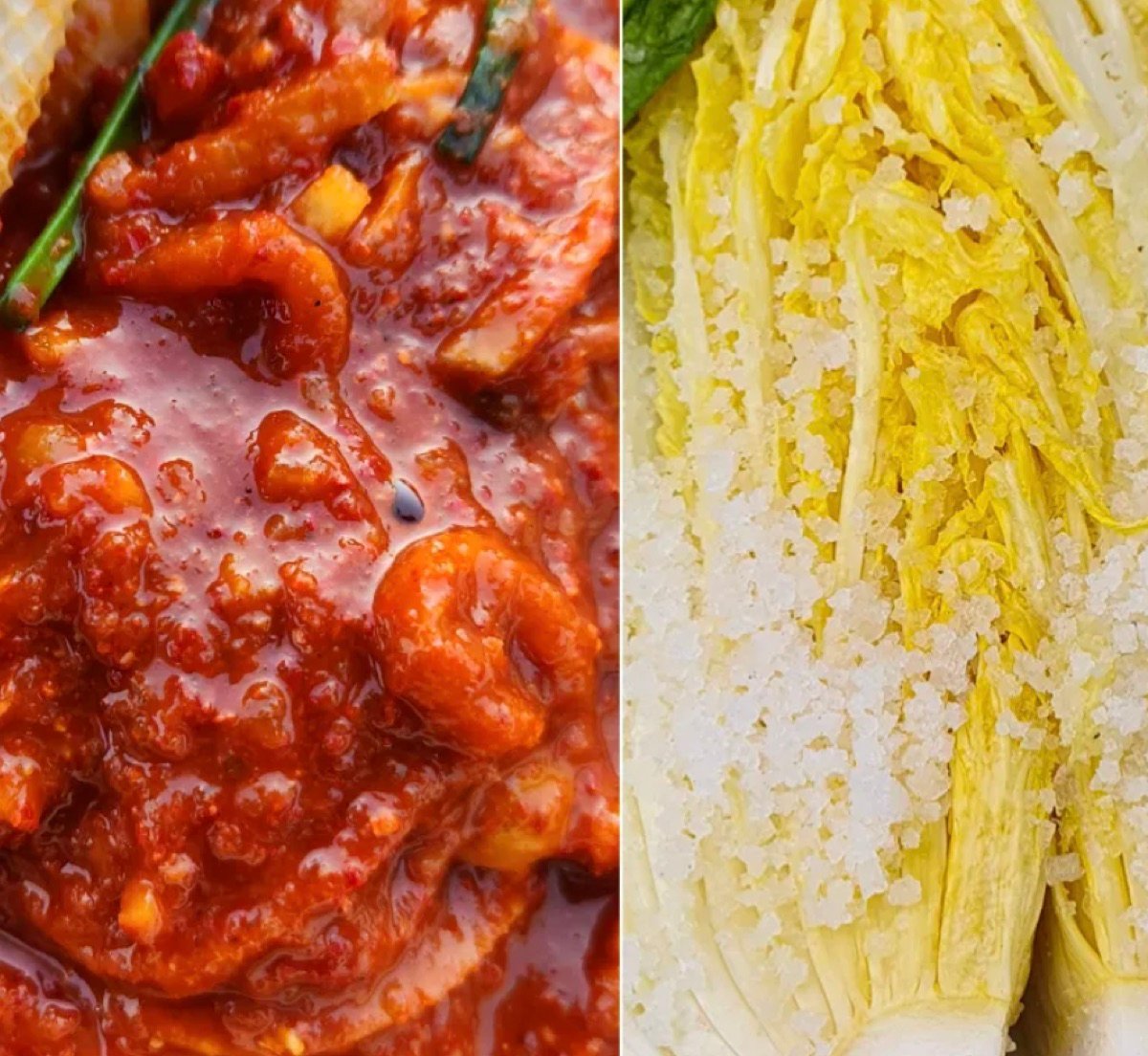
- Store: smartstore.naver.com/bitchaeul
- Email: dlwlcjf0701@naver.com
- Phone: +82-10-7371-7040
- Address: 10-29 Maneo 4-gil, Beolgok-myeon, Nonsan-si, Chungcheongnam-do, 33027, South Korea
3. Gajok Geongang (가족건강), Hyowon Farm (효원농장)
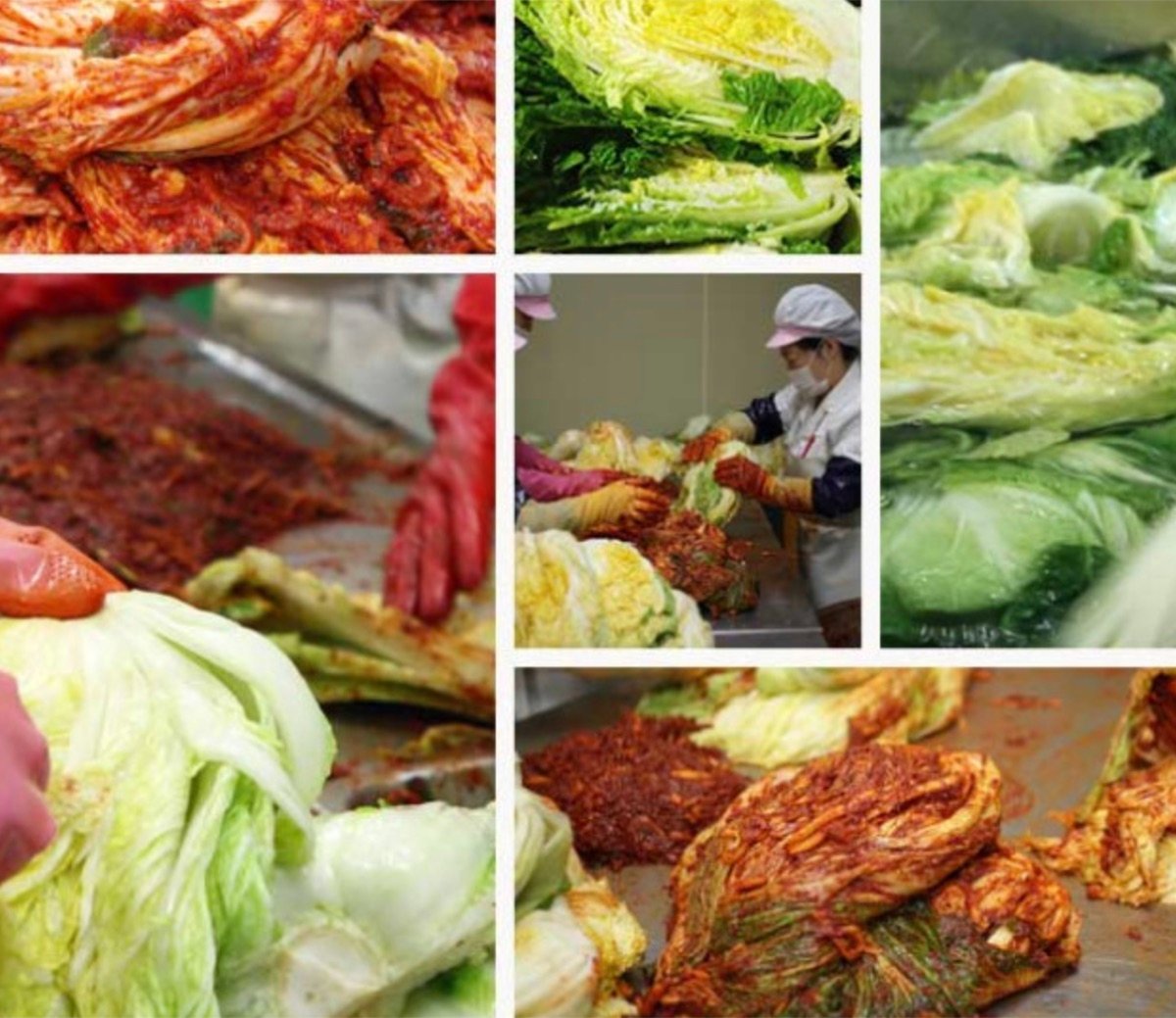
- Store: smartstore.naver.com/sungongbang
- Email: najuhyowon@naver.com
- Phone: +82-10-4124-6750
- Address: Room 231, Building 11, Gwangju Industrial Materials Distribution Center, 53 Maewol 2-ro, Seo-gu, Gwangju, 62074, South Korea
4. Cheonggwang Agricultural & Marine Products (청광농수산)
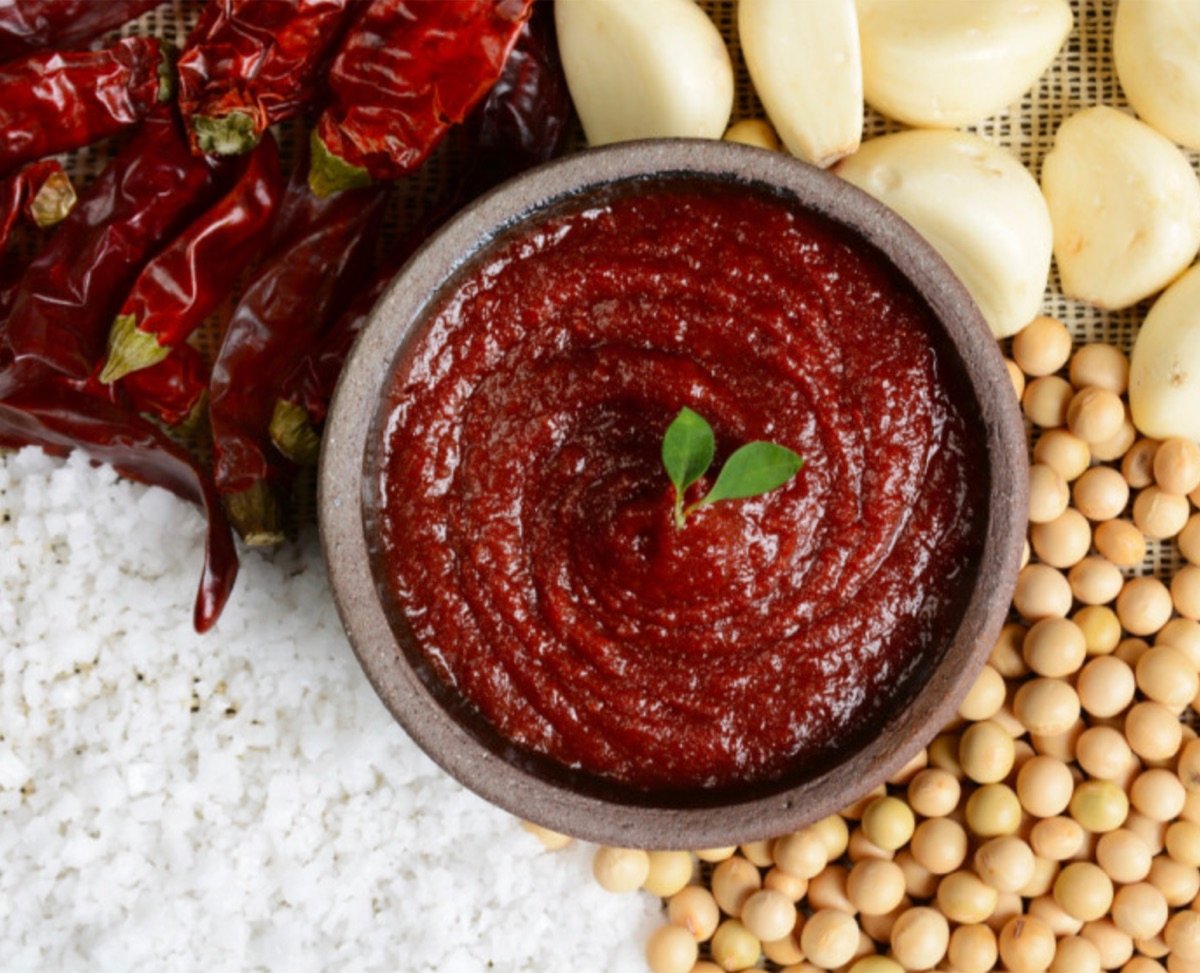
- Store: smartstore.naver.com/chung_kwang
- Email: daemofnb@naver.com
- Phone: +82-10-3938-1252
- Address: 2F, 16-5 Somi 2-gil, Yeosu-si, Jeollanam-do, 59702, South Korea
5. J&J Corporation (제이앤제이코퍼레이션), The Table (더테이블)
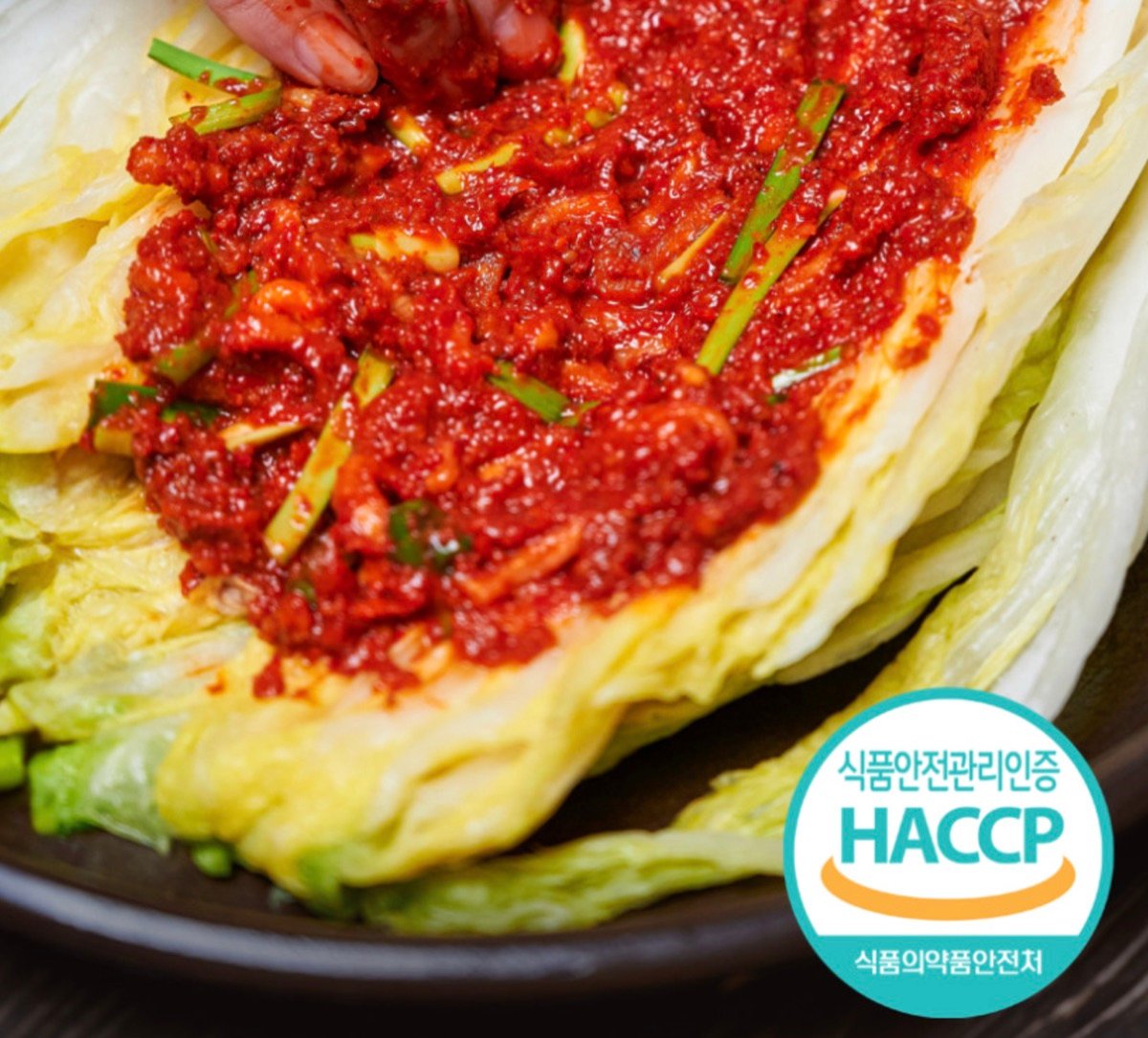
- Store: smartstore.naver.com/andablanc
- Instagram: and_the_table
- Email: yjmj1014_2@naver.com
- Phone: 1588-2396 (a Korean customer service number that may not work from abroad)
- Address: Room 201, 2F, 268 Hwajeong-ro, Seo-gu, Gwangju, 62047, South Korea
What should you ask before ordering?
Email is usually the easiest first contact from abroad. These stores operate in Korean, so a short message in simple English with a Korean translation may get a faster reply. Include your country, your product plans, and your expected monthly volume, then ask:
- Do you manufacture this seasoning yourself? If not, who does?
- What is the minimum order quantity and the price at each volume?
- Do you export to my country, and who handles shipping and export documents?
- What is the full ingredient list, and what allergens does it contain?
- What are the shelf life and the required shipping temperature?
- Which food safety certifications do you hold? Can you share a copy?
- Can you send a sample before a bulk order?
Order a small trial first. Test the flavor and the shipping condition before you commit to a larger volume.
What US rules apply to importing kimchi seasoning?
US commercial importers must meet the same food requirements as domestic producers, and FDA does not pre-approve food importers, products, or labels. These are the main points on FDA’s pages:
| Requirement | What it means |
|---|---|
| Facility registration | Facilities that make, store, or handle the food must be registered with FDA |
| Prior notice | FDA must be notified before the shipment arrives |
| FSVP | The US importer must verify that each foreign supplier of each food meets US safety standards, unless an exemption applies |
| DUNS number | The importer’s unique facility identifier is required when filing entry |
| Labeling | The product must be labeled according to US requirements |
| Inspection | Shipments can be inspected at the port, and FDA may detain products that do not comply |
Pay special attention to allergens. Fish, crustacean shellfish, wheat, soybeans, and sesame are all major allergens in the US, and fish and crustacean species must be named on the label. Kimchi seasoning can contain several of them, so check the recipe with your supplier.
Selling in another country? Check your own national food authority first, because the rules differ.
FAQ
Can I buy directly from these stores while living abroad?
Possibly, but we have not confirmed that any of them ships overseas. Ask each seller directly before you plan around them.
Do I need FDA approval to import kimchi seasoning?
No. FDA does not approve food importers or products in advance, but you must still meet the requirements above, and non-compliant shipments can be detained.
Should I import seasoning or finished kimchi?
It depends on your business model. Requirements, shipping conditions, and costs can differ, so compare both with a customs broker before you decide.
Will kimchi make my brain work better?
There is no proof of that. The gut and brain are connected, and early research on fermented foods is interesting, but kimchi has not been shown to improve brain function.
Does this list guarantee a good supplier?
No. It is a starting point for your own checks. Confirm product quality, documents, and contract terms yourself.
Start with a few emails
The fastest next step is simple: email two or three of these sellers with the questions above, compare their answers, and order samples. Korean sellers who can answer clearly about volume, ingredients, and export documents will be easier to work with as your business grows. For US imports, review FDA’s import guidance and its FSVP rule, and consider speaking with a customs broker or food regulatory specialist.
Curious why kimchi has become so popular in the US? Read why kimchi became a celebrated fermented food in America and why Americans are buying kimchi refrigerators.
This article is general information, not medical, legal, or regulatory advice. Talk to a doctor before making major diet changes for a health condition. Seller details were provided from store seller information and may change.
Last checked: November 1, 2026