

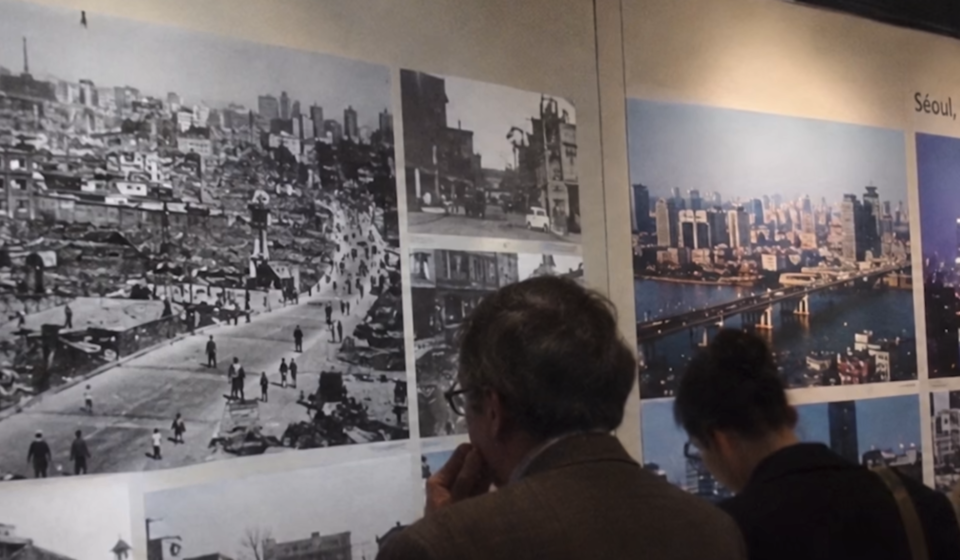
Why Are Europeans Fascinated by Ordinary Korean Hagwons? What Drives Koreans to This Level of Commitment?

For many Europeans, one of the most surprising sights in South Korea is not a skyscraper, a semiconductor factory, or a famous tourist attraction.
It is something far more ordinary.
A Korean hagwon district late at night.
Rows of private academies remain brightly lit long after sunset. Students move from one classroom to another carrying backpacks, textbooks, and notebooks. Cafés are filled with young people studying, while parents wait outside academy buildings.
To many Koreans, this scene feels completely normal.
To many Europeans, it is astonishing.
The question often follows:
Why do Koreans study so much?
Understanding that question helps explain not only Korean education, but also the remarkable economic transformation of South Korea itself.
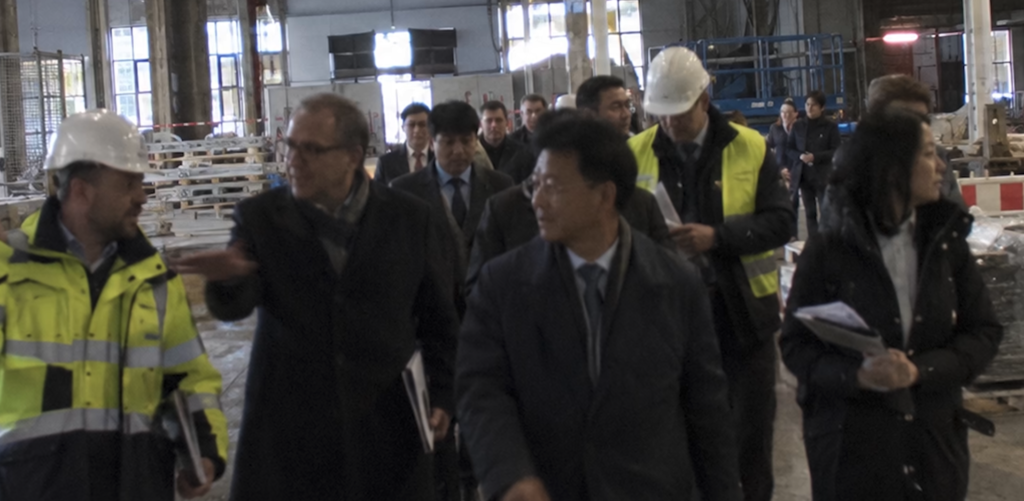
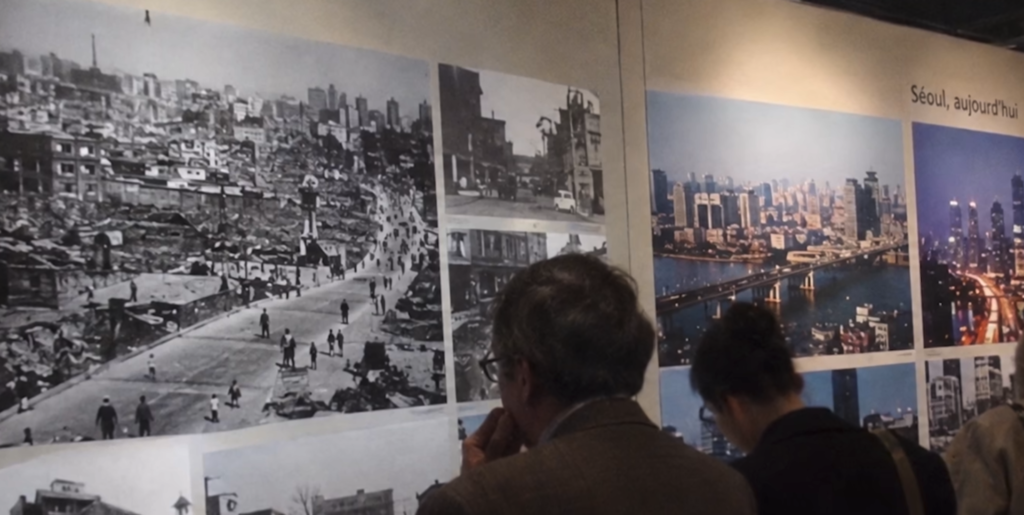
From One of the Poorest Countries to One of the World’s Most Advanced Economies
In the early 1960s, South Korea was one of the poorest countries in the world.
Following war and national division, the country faced enormous challenges:
- Limited natural resources
- Minimal industrial infrastructure
- Low income levels
- Widespread poverty
Many international observers doubted Korea’s long-term prospects.
Yet within a few decades, South Korea achieved something extraordinary.
It became one of the world’s leading economies, home to global companies such as Samsung, Hyundai, LG, SK, and numerous world-class technology firms.
Today, South Korea ranks among the world’s most developed nations in technology, manufacturing, education, and digital infrastructure.
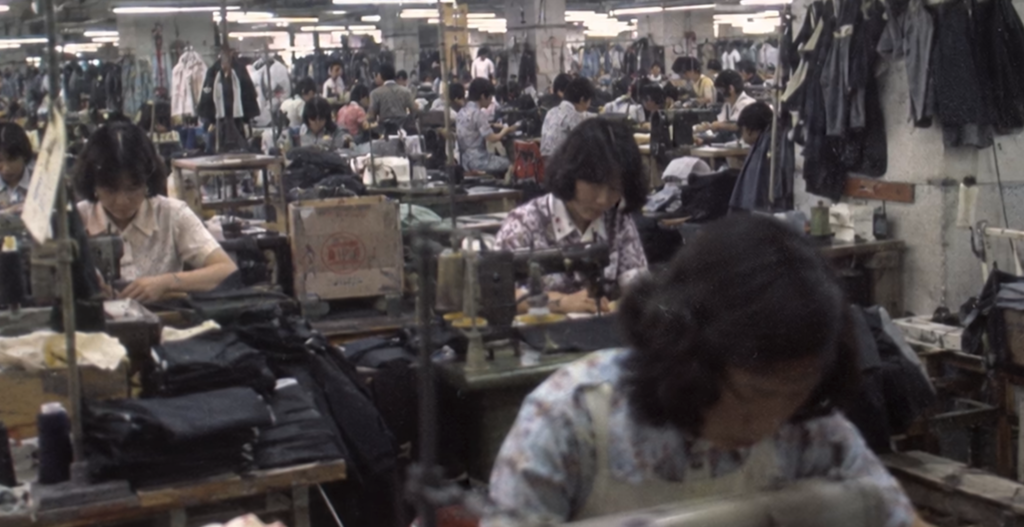
Education Became Korea’s Most Valuable Resource
Unlike many countries, Korea could not rely heavily on natural resources.
Instead, Koreans invested in something else:
human capital.
Families viewed education as the most reliable path to social mobility and national development.
As Korea industrialized during the 1960s, 1970s, and 1980s, educational achievement became deeply connected to economic opportunity.
Universities produced engineers, scientists, doctors, and business leaders who helped build the foundations of modern Korea.
This emphasis on education gradually became part of everyday culture.
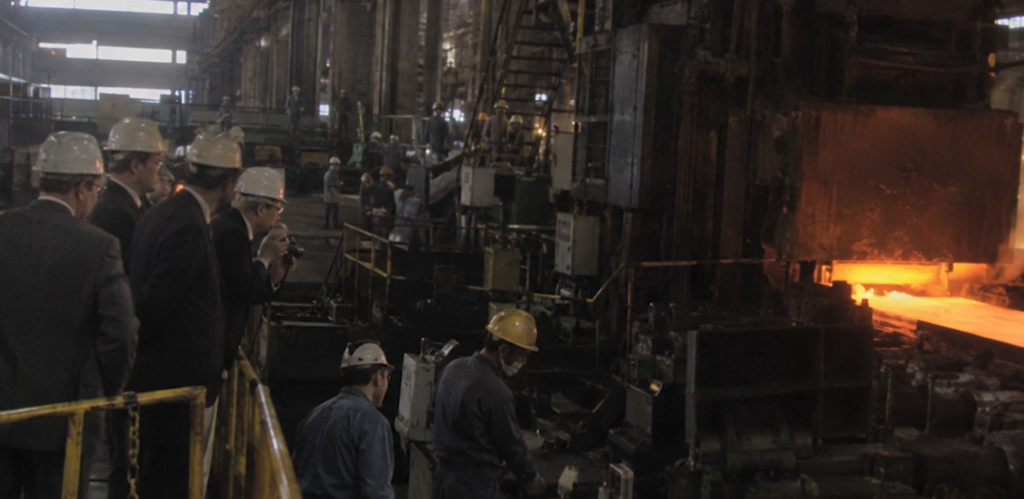
The Rise of Korean Hagwon Culture
One of the most visible results of this educational commitment is the hagwon system.
Hagwons are private educational institutes that provide additional instruction outside regular school hours.
Students attend hagwons for subjects such as:
- Mathematics
- Science
- English
- Writing
- Coding
- College entrance preparation
To many foreign visitors, the scale of the system is surprising.
Entire neighborhoods are filled with educational institutions operating from morning until late evening.
From a European perspective, it often looks less like a tutoring industry and more like an educational ecosystem.
Why Are Europeans Talking About Korean Education?
In recent years, Korean education has attracted growing interest in Europe.
Many observers see a connection between Korea’s educational culture and its economic achievements.
They point to several remarkable outcomes:
- Global leadership in semiconductor manufacturing
- Advanced technology industries
- World-class engineering talent
- High levels of research and development
- Strong international competitiveness
While education alone does not explain Korea’s success, it is widely regarded as one of the key factors behind the country’s rapid development.
Korea’s Semiconductor Success and Human Capital
One example often discussed internationally is the Korean semiconductor industry.
Today, South Korea plays a critical role in global memory-chip production.
Companies such as Samsung Electronics and SK hynix help supply technologies used in:
- Artificial intelligence
- Smartphones
- Data centers
- Cloud computing
- Consumer electronics
Behind these industries are generations of engineers, researchers, and technicians.
Many analysts argue that Korea’s long-term investment in education helped create the workforce necessary to support such advanced sectors.
A Different Development Path
What makes South Korea particularly interesting to economists is that its development path differed from many historical examples.
Instead of relying primarily on natural resources, Korea focused heavily on:
- Education
- Industrial policy
- Export-oriented growth
- Technological development
- Human talent
For this reason, South Korea is often studied as a unique case of rapid economic transformation.
Its experience continues to attract attention from policymakers, researchers, and educators around the world.

The Korean Mindset: Persistence and Long-Term Thinking
When foreigners observe Korean hagwons, they are not simply looking at students attending extra classes.
They are seeing a reflection of a broader cultural mindset.
Many Koreans believe that improvement comes through effort, preparation, and long-term commitment.
Whether in education, technology, business, sports, or culture, this mindset has influenced multiple generations.
The brightly lit hagwon streets that surprise foreign visitors represent more than academic ambition.
They represent a society that invested heavily in developing its people.
Why the World Is Paying Attention
Today, South Korea is no longer viewed merely as a successful Asian economy.
It is increasingly studied as a model of how investment in education and human capital can transform a nation.
This does not mean Korea’s system is perfect.
Debates continue regarding academic pressure, competition, and work-life balance.
However, even critics often acknowledge the extraordinary results Korea has achieved within a relatively short period of time.
For many Europeans, seeing a Korean hagwon district for the first time raises an important question:
What happens when an entire society decides that education is its most important national asset?
South Korea may be one of the clearest examples in modern history.
Why Korea’s Everyday Life Feels Extraordinary
Perhaps the most remarkable thing about South Korea is that many Koreans no longer notice the things that surprise visitors the most.
Fast healthcare, efficient public services, late-night convenience stores, advanced beauty treatments, modern transportation, and a culture built around convenience have become part of everyday life.
For international travelers, however, these experiences often feel extraordinary.
What Koreans see as normal routines are often viewed by visitors as examples of innovation, efficiency, and thoughtful design.
That may be why so many travelers leave Korea with the same reaction:
“I knew Korea would be interesting. I didn’t expect everyday life to be this impressive.”
As Korea continues to attract visitors from around the world, many of these ordinary experiences are becoming an important part of modern tourism.
In fact, for many travelers, exploring local pharmacies, trying Korean BBQ, receiving a health checkup, experiencing K-beauty services, and simply observing daily life have become some of the best things to do in Seoul.
Sometimes the most memorable part of a trip is not a famous landmark.
Sometimes it is discovering how an entire society has built a way of life that feels surprisingly efficient, comfortable, and welcoming.
And for many international visitors, that may be Korea’s most impressive achievement of all.
Conclusion
The ordinary sight of students studying late into the evening may appear unremarkable to Koreans.
But to many foreign visitors, it represents something much larger.
It offers a glimpse into the values that helped transform South Korea from a developing nation into a global leader in technology, innovation, and economic growth.
Perhaps that is why so many Europeans stop and stare at Korea’s seemingly ordinary hagwon districts.
Because hidden behind those classroom lights is one of the most remarkable development stories of the modern era.
Related Topics
Discover more from aboutkorea8282.com
Subscribe to get the latest posts sent to your email.