Why Housing Is So Complicated for Foreign Workers — A Complete Guide to Dorms, Monthly Rent, Jeonse, and Korean Housing Rules

When foreign workers come to Korea for manufacturing, construction, agriculture, or service jobs, one of the first challenges they face is finding a place to live.
Korea’s housing system is very different from most countries, and many foreign workers feel confused or overwhelmed by the rules, deposits, contracts, and cultural expectations.
This guide explains everything clearly — from factory dormitories to monthly rent, jeonse, maintenance fees, and housing rules — so foreign workers can understand how housing works in Korea and avoid common problems.
✦ 1. Factory Dormitories: The Most Common Housing for Foreign Workers
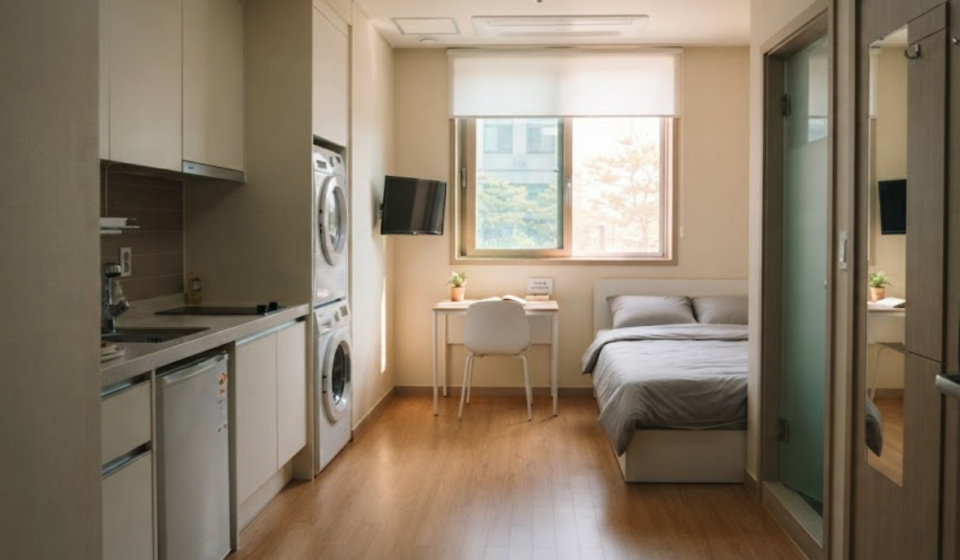
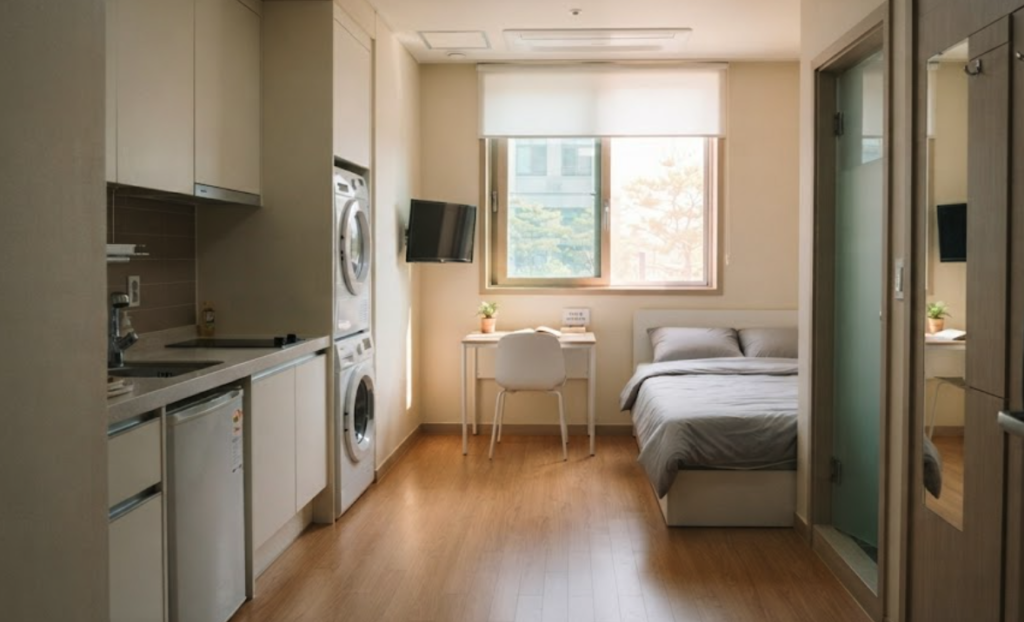
Many foreign workers, especially E-9 and H-2 visa holders, live in company dormitories.
Dorms are usually located near factories and offer basic living conditions.
✔ What dormitories usually include
- shared rooms (2–6 people)
- shared bathrooms
- shared kitchen or no kitchen
- basic furniture
- heating and cooling
- laundry area
- limited privacy
✔ What foreign workers often find difficult
- strict rules
- curfews
- shared spaces
- noise
- limited cooking
- no visitors allowed
- sudden inspections
- lack of personal space
Dormitories are convenient because they are cheap or free, but they can feel restrictive.
✦ 2. Monthly Rent (월세): The Most Common Option Outside Dorms
Foreign workers who leave dormitories usually choose monthly rent (월세).
✔ How 월세 works
You pay:
- deposit (보증금)
- monthly rent (월세)
- maintenance fee (관리비)
✔ Typical costs
In cities like Osan, Suwon, Pyeongtaek, Incheon, Ansan:
- Deposit: ₩1,000,000–₩5,000,000
- Monthly rent: ₩300,000–₩600,000
- Maintenance fee: ₩50,000–₩150,000
✔ What foreign workers find confusing
- Why is the deposit so high?
- Why do I pay maintenance fees?
- Why do I need a contract for everything?
- Why do landlords require ARC (외국인등록증)?
Monthly rent is simple, but the deposit system is very different from other countries.
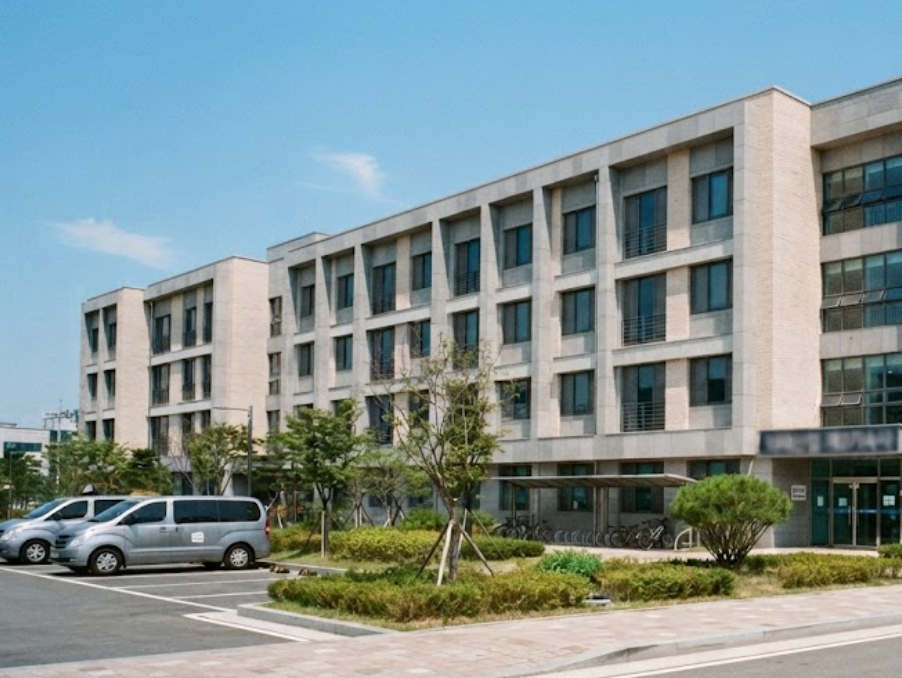
✦ 3. Jeonse (전세): Korea’s Unique Housing System
Jeonse is one of the most confusing parts of Korean housing for foreigners.
✔ What is Jeonse?
Jeonse is a large lump-sum deposit you pay instead of monthly rent.
You live in the house for 2 years without paying monthly rent.
When the contract ends, the landlord returns the full deposit.
✔ Typical Jeonse deposit
- Small studio: ₩50,000,000–₩120,000,000
- Apartment: ₩150,000,000–₩500,000,000+
✔ Why foreign workers rarely use Jeonse
- Deposit is too high
- Requires stable income
- Requires strong financial documents
- Landlords prefer Korean tenants
- Risk of fraud (전세 사기)
Jeonse is great for Koreans, but not practical for most foreign workers.
✦ 4. The Deposit System (보증금): Why It’s So Important in Korea
Foreign workers often ask:
“Why is the deposit so high in Korea?”
✔ Reasons
- Protects landlord from unpaid rent
- Covers damages
- Covers cleaning fees
- Covers unpaid utilities
- Korean housing contracts rely heavily on trust
Deposits are returned at the end of the contract if there is no damage or unpaid bills.
✦ 5. Maintenance Fees (관리비): The Hidden Cost
Maintenance fees are mandatory in most Korean housing.
✔ What 관리비 usually includes
- cleaning
- garbage disposal
- building electricity
- elevator maintenance
- security
- parking
- water (sometimes)
- heating (sometimes)
Foreign workers often misunderstand 관리비 and think it is optional — but it is part of the contract.
✦ 6. Utility Bills (전기, 가스, 수도)
Foreign workers must pay utilities separately:
- Electricity (전기)
- Gas (가스)
- Water (수도)
- Internet (인터넷)
Gas bills can be high in winter because Korean heating uses gas.
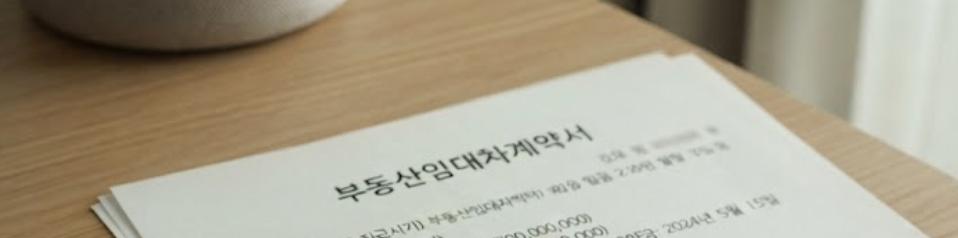
✦ 7. Housing Contracts (임대차 계약서)
Korean housing always requires a written contract.
✔ Contracts include
- deposit amount
- monthly rent
- maintenance fee
- contract duration
- rules
- penalties
- move-out conditions
Foreign workers should never rent without a contract — it is illegal and dangerous.
✦ 8. Housing Rules Foreign Workers Often Find Difficult
Korean housing has strict rules:
- No loud noise after 10 PM
- No smoking indoors
- No pets (in many buildings)
- No visitors staying overnight
- No illegal subletting
- Must separate trash correctly
- Must follow recycling rules
- Must report address change to immigration
Foreign workers often struggle with recycling rules because Korea separates:
- plastic
- paper
- cans
- glass
- food waste
Failure to follow rules can lead to fines.
✦ 9. Common Problems Foreign Workers Face
Based on foreign worker support centers, the most common issues are:
- landlords refusing foreign tenants
- high deposits
- unclear contracts
- illegal rent increases
- deposit not returned
- poor housing conditions
- overcrowded dormitories
- mold and ventilation problems
- noisy neighbors
- sudden inspections in dorms
These problems happen often because foreign workers don’t know their rights.
✦ 10. How Foreign Workers Can Protect Themselves
✔ 1. Always sign a written contract
Never rent verbally.
✔ 2. Take photos when moving in
Protects your deposit.
✔ 3. Ask for a receipt for all payments
Especially deposit.
✔ 4. Report address change within 14 days
Required by immigration.
✔ 5. Use government support centers
They help with housing disputes.
✦ Conclusion: Korean Housing Is Complex — But Understandable
Korea’s housing system is unique:
- dormitories
- monthly rent
- jeonse
- high deposits
- strict rules
- maintenance fees
- recycling culture
Foreign workers often feel confused, but once you understand the structure, it becomes manageable.
Living in Korea means adapting to a new housing culture — and knowing your rights is the most important part.
🔗 Recommended Links
For more detailed information provided by the Korean government, please visit the link below:
This link leads to an official Korean government page (Easylaw.go.kr) that provides a simplified legal guide for foreign workers in Korea.
It explains essential labor rights such as employment contracts, working hours, overtime rules, weekly holiday allowance, annual leave, severance pay, workplace safety, and protections against unfair dismissal.
The page is designed to help foreign workers understand Korean labor laws in a clear and accessible way.