
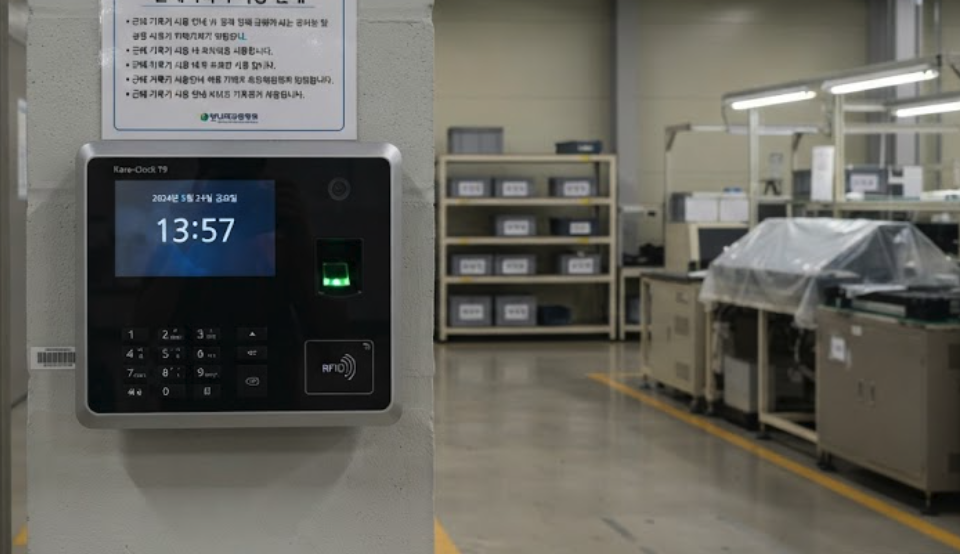

(A complete guide to weekly holiday pay, annual leave, overtime rules, and the 52-hour system)
When foreign workers come to Korea for employment — whether in manufacturing, construction, service industries, or specialized fields — one of the biggest challenges they face is understanding Korean labor laws.
Korea’s Labor Standards Act (근로기준법) applies equally to Korean and foreign workers, regardless of visa type.
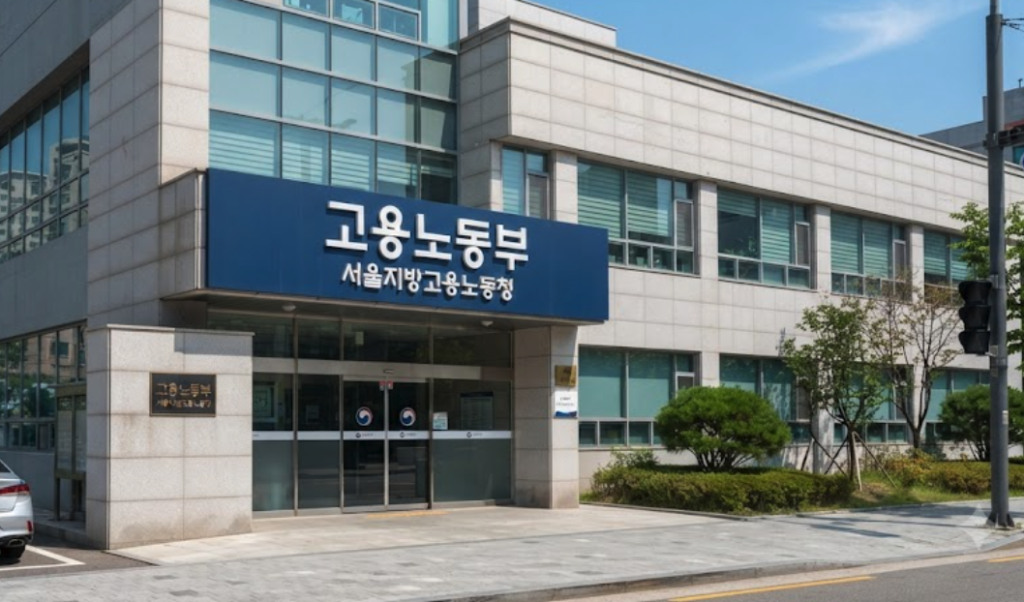
But the system is complex, full of unique rules, and often very different from labor laws in other countries.
This is why foreign workers frequently ask:
- “What is weekly holiday pay (주휴수당)?”
- “How do I calculate annual leave (연차)?”
- “Do I get paid for overtime?”
- “Does the 52-hour system apply to me?”
- “Is my employer allowed to deny breaks?”
- “What should I do if my employer doesn’t pay me correctly?”
This guide explains everything clearly — using real Korean labor law sources — so foreign workers can protect themselves and understand their rights.
✦ 1. Korean Labor Law Applies to All Foreign Workers
The most important fact:
Korean labor law protects foreign workers exactly the same as Korean workers.
Your nationality or visa type does not reduce your rights.
This includes:
- minimum wage
- weekly holiday pay
- overtime pay
- night work pay
- holiday work pay
- annual leave
- severance pay
- breaks
- dismissal protection
Whether you are on E-9, E-7, H-2, E-2, D-10, or F-series visas — your rights are identical.
✦ 2. Standard Working Hours in Korea
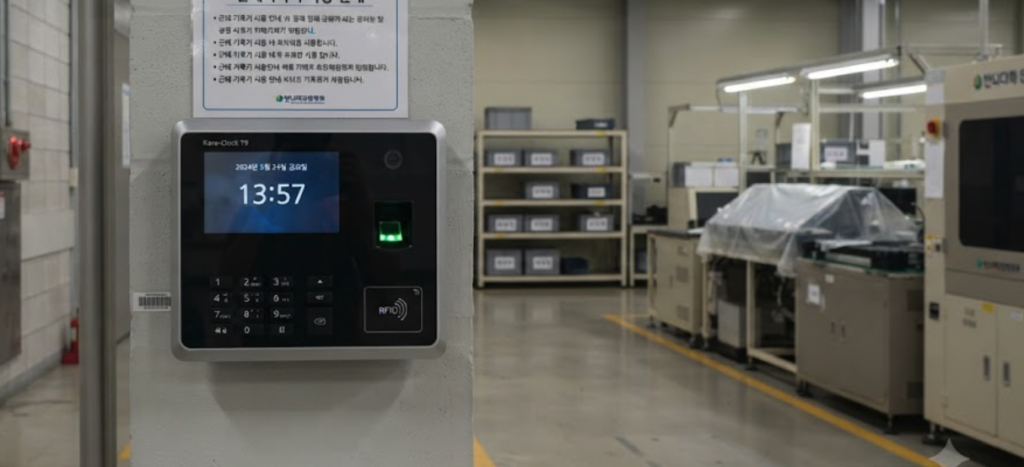
Korean law sets clear limits on working hours:
- 40 hours per week (legal standard)
- 8 hours per day
- Up to 12 hours overtime per week (only if both sides agree)
- Maximum 52 hours per week total (40 + 12 overtime)
This 52-hour system applies to almost all workplaces, including foreign workers.
Only a few industries (like agriculture and fisheries) have exceptions.
✦ 3. Break Time Rules
Korean law requires employers to give breaks:
- If you work 4 hours, you must get at least 30 minutes break.
- If you work 8 hours, you must get at least 1 hour break.
- Breaks must be free time — you cannot be forced to work during breaks.
- Breaks are unpaid.
Many foreign workers report that employers ignore break rules, especially in factories.
But legally, breaks are mandatory.
✦ 4. Weekly Holiday Pay (주휴수당)
One of the most misunderstood parts of Korean labor law
Weekly holiday pay is a unique Korean system.
Foreign workers often ask:
“Why do I get paid even when I don’t work on Sunday?”
Here’s how it works:
- If you work at least 15 hours per week
- And you attend all scheduled workdays
→ You earn one paid weekly holiday (usually Sunday).
This means you get paid for a day you didn’t work — as long as you worked your scheduled days.
Weekly holiday pay is part of the minimum wage calculation.
Many employers illegally avoid paying it.
✦ 5. Overtime Pay (야근수당)
Overtime pay is required by law.
✔ Overtime (연장근로)
- Work beyond 8 hours/day or 40 hours/week
- Must be paid 150% of normal wage
✔ Night Work (야간근로)
- Work between 10 PM and 6 AM
- Must be paid 150% of normal wage
✔ Holiday Work (휴일근로)
- Work on official holidays or weekly rest days
- First 8 hours: 150%
- After 8 hours: 200%
Foreign workers in manufacturing often experience unpaid overtime — but legally, overtime pay is mandatory.
✦ 6. Annual Leave (연차)
Foreign workers often don’t know they have paid vacation
Korean law gives paid annual leave:
✔ If you work 1 year and attend 80% of days
→ You get 15 days of paid annual leave.
✔ If you work less than 1 year
→ You earn 1 paid day per month of full attendance.
✔ Long-term workers
After 3 years, you get extra days — up to 25 days total.
✔ If you cannot use annual leave
Your employer must pay annual leave allowance (연차수당).
Many foreign workers never receive annual leave or annual leave pay — but legally, it is required.
✦ 7. Employment Contracts Must Follow the Law
Foreign workers often sign contracts without understanding them.
But Korean law requires contracts to include:
- working hours
- wage amount
- payment date
- breaks
- holidays
- overtime rules
- workplace location
- job description
If a contract violates the Labor Standards Act, the contract is invalid — the law overrides it.
✦ 8. Common Violations Foreign Workers Face
Based on labor counseling centers and government reports, the most common violations include:
- unpaid overtime
- no weekly holiday pay
- incorrect annual leave calculation
- illegal deductions
- forced overtime
- no breaks
- fake contracts
- contract switching
- withholding passports
- unpaid severance
Foreign workers in manufacturing and service industries experience these issues most frequently.
✦ 9. What Foreign Workers Can Do If Their Rights Are Violated
Korea provides official support:
✔ Foreign Worker Support Center
Website: hugkorea.or.kr
Phone: 1577-0071
✔ Ministry of Employment and Labor (MOEL)
You can file complaints anonymously.
✔ Labor Office (근로감독관)
They can investigate employers directly.
✔ Free legal counseling
Available in multiple languages.
Foreign workers should never hesitate to report violations — Korean law strongly protects employees.
✦ 10. Conclusion: Korean Labor Law Is Strong — But Hard to Understand
Korea offers strong legal protections for foreign workers, including:
- paid weekly holidays
- paid annual leave
- overtime pay
- night work pay
- holiday pay
- strict working hour limits
- mandatory breaks
- severance pay
- equal treatment regardless of nationality
But the system is complicated, and many employers take advantage of foreign workers who don’t know their rights.
Understanding these rules is the first step to protecting yourself and ensuring fair treatment in Korea.
🌟
For more detailed information provided by the Korean government, please visit the link below: