
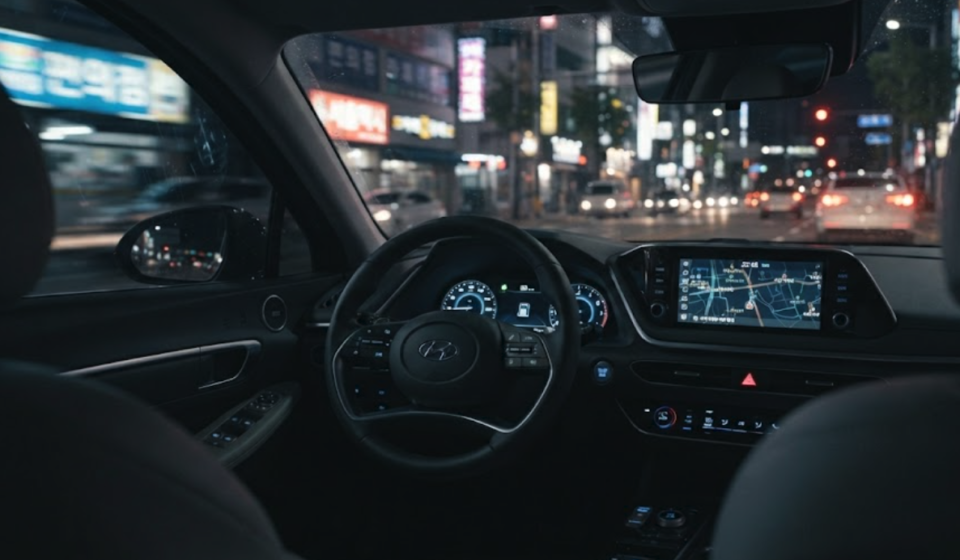
Living in Korea: Understanding Korean Car Culture and Why Car Prices Work Differently Here

Living in Korea reveals many cultural details that visitors often miss — the pace of daily life, the efficiency of public transportation, the obsession with convenience, and the unique beauty standards. But one aspect that surprises many foreigners is Korea’s car culture.
From the dominance of Hyundai and Kia to the rapid rise of electric vehicles, from the intense parking environment to the surprisingly advanced safety systems, Korea’s automotive landscape is unlike anywhere else.
And when you live here long enough, you begin to notice something deeper:
Korean cars are priced differently, equipped differently, and valued differently compared to cars in the U.S., Europe, or Southeast Asia.
This article explores the full picture — the culture, the technology, the lifestyle, and the pricing structure that defines Korean cars today.
✦ 1. Korea Is the Land of Hyundai and Kia
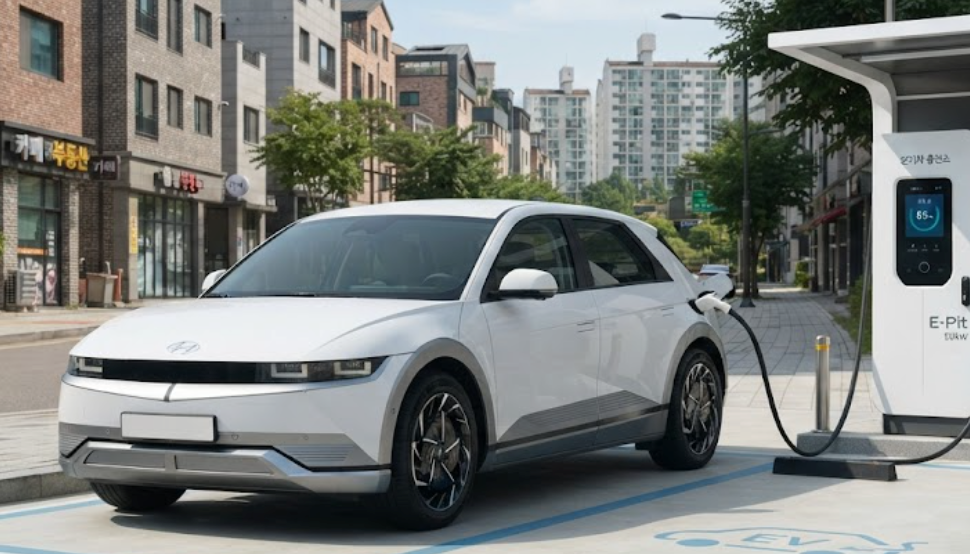
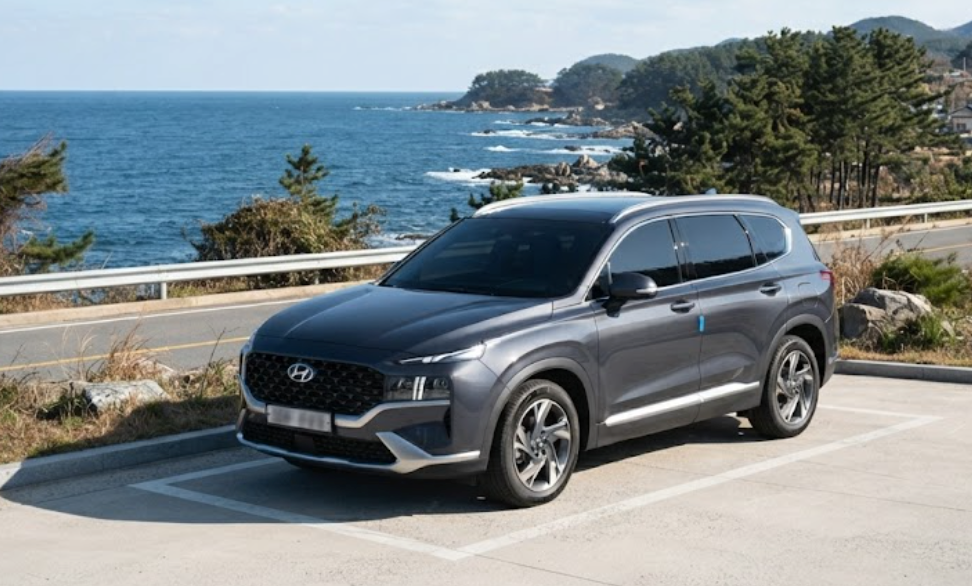
When foreigners first arrive in Korea, one of the most noticeable things is the overwhelming presence of Hyundai and Kia vehicles.
On many roads, 80% or more of the cars are domestic brands.
This dominance is not just patriotism — it’s practicality.
Korean brands offer:
• excellent reliability
• fast and affordable maintenance
• easy access to parts
• strong resale value
• advanced technology at lower cost
• perfect compatibility with Korean roads and driving habits
Foreigners often say:
“Korea feels like Hyundai Nation.”
And in many ways, it is.
Hyundai and Kia are not just car brands — they are symbols of Korea’s industrial success and national pride.
✦ 2. Korea’s Roads Are a Testing Ground for New Technology
Korea is one of the fastest adopters of automotive technology in the world.
Many features that are optional or expensive upgrades in other countries come standard here.
Examples include:
• lane-keeping assist
• smart cruise control
• highway driving assist
• 360-degree cameras
• built-in dashcams
• blind-spot monitoring
• automatic emergency braking
• over-the-air (OTA) updates
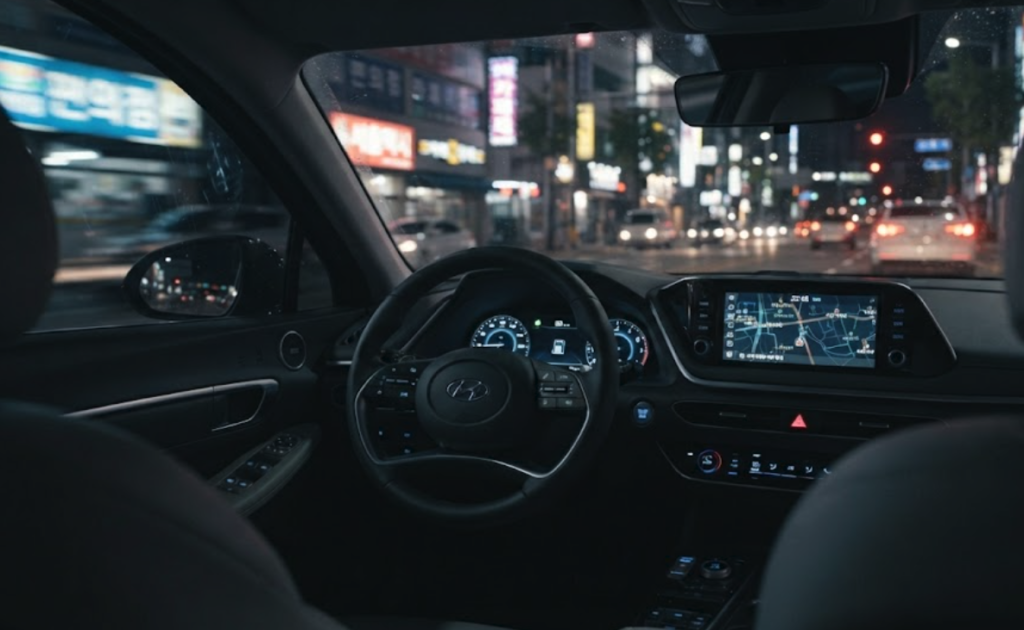
• advanced navigation systems
Korean highways also include:
• smart speed control zones
• automated toll systems
• AI-based traffic monitoring
• EV-only lanes in some areas
• extremely well-maintained road surfaces
Foreigners often describe Korean roads as “a glimpse of the future.”
✦ 3. Korea’s EV Boom Is Transforming the Market
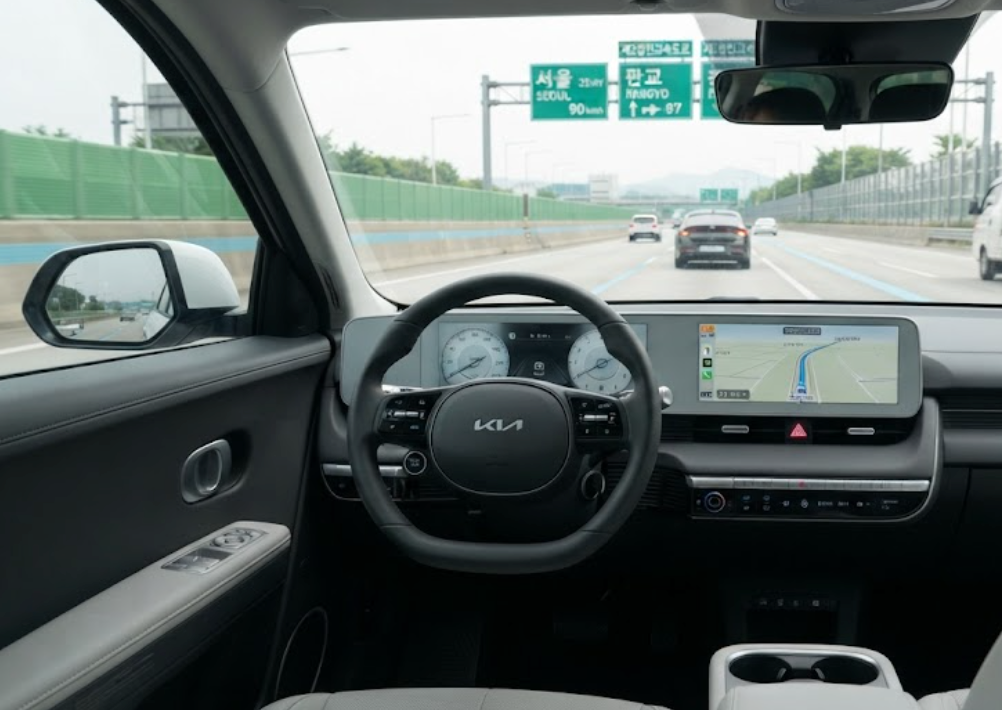
Electric vehicles are everywhere in Korea — especially Hyundai Ioniq models, Kia EV6, and Genesis GV60.
In some neighborhoods, EVs outnumber gasoline cars.
Why?
Because Korea has:
• one of the world’s densest EV charging networks
• fast chargers in apartments, malls, gas stations, and parking towers
• strong government incentives
• low maintenance costs
• excellent domestic EV models
• urban driving patterns that suit EVs perfectly
Living in Korea makes EV ownership incredibly convenient.
✦ 4. Parking in Korea Is a Cultural Experience
If you live in Seoul, you quickly learn that parking is a skill — almost an art.
Korea’s parking culture includes:
• extremely narrow spaces
• underground parking lots that go 3–5 floors down
• automated parking towers
• valet parking at restaurants and clinics
• tight residential parking zones
• precise parallel parking in tiny alleys
Foreigners often say:
“Koreans park like surgeons.”
It’s true — the precision is impressive.
✦ 5. Korean Driving Style: Fast but Predictable
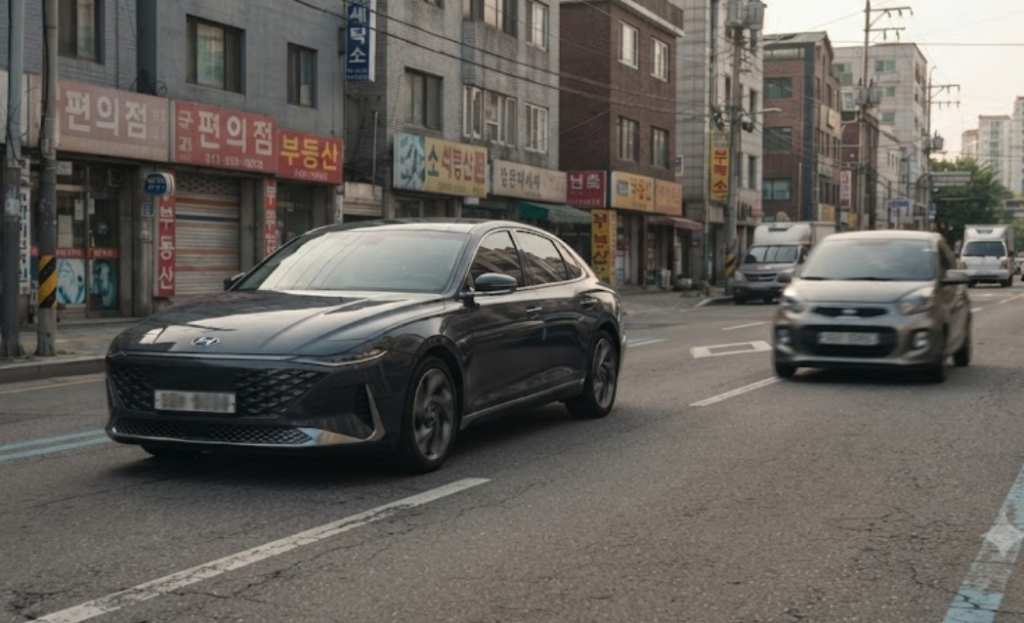
Korean drivers are known for being:
• fast
• decisive
• highly aware
• rule-following
• predictable in lane changes
• skilled in tight spaces
To foreigners, Korean driving may seem aggressive at first, but it is surprisingly safe because drivers are extremely alert and roads are well-designed.
🚗 6. Korean Car Prices: Why They Work Differently
Now we get to the part foreigners are most curious about — car prices in Korea.
Korean car pricing is shaped by several unique factors:
✦ 6.1. Korean Cars Include More Features at Lower Prices
In Korea, cars come with rich standard options that would be expensive upgrades elsewhere.
Typical standard features include:
• heated steering wheel
• ventilated seats
• built-in dashcam
• wireless phone charging
• advanced safety systems
• premium navigation
• auto hold
• rear cross-traffic alert
• high-quality interior materials
Foreigners often say:
“Korean cars include features that cost thousands of dollars in my country.”
This is one reason Korean cars feel more affordable.
✦ 6.2. Trim Levels Control the Price
Korean cars use a trim-based pricing system rather than individual option selection.
For example:
• Standard
• Mid-level
• High-level
• Premium package
When you move up one trim, the price jumps — but so do the features.
This makes Korean cars feel expensive at the top end, but extremely cost-effective at mid-level trims.
✦ 6.3. Taxes Increase the Final Price
Korea has several car-related taxes:
• acquisition tax (about 7%)
• public bond purchase (varies by region)
• annual car tax
• fuel tax
• insurance costs
Foreigners often underestimate these taxes, which can add a significant amount to the final purchase price.
✦ 6.4. Korea Has Almost No “Dealer Discounts”
Unlike the U.S., Korea does not have:
• end-of-year clearance sales
• dealer negotiation
• massive discounts
• leftover inventory deals
Prices are stable and predictable — almost like a fixed-price system.
Foreigners often say:
“Korean car prices don’t fluctuate like in my country.”
✦ 6.5. EVs Are Often Cheaper Than Gasoline Cars
Because of government incentives, EVs can be significantly cheaper.
Benefits include:
• purchase subsidies
• reduced taxes
• cheaper charging
• lower maintenance
• free parking in some areas
• toll discounts
This is why EV adoption is so fast in Korea.
✦ 7. Korean Car Ownership Is a Lifestyle
Owning a car in Korea is not just transportation — it’s part of the lifestyle.
People use cars for:
• weekend trips
• café hopping
• coastal drives
• camping
• family outings
• night drives along the Han River
Korean cars are designed for comfort, convenience, and technology — making them ideal for everyday life.
✦ 8. Conclusion: Korean Cars Reflect Korean Life
Living in Korea reveals that Korean cars are not just vehicles — they are a reflection of the country’s culture, technology, and lifestyle.
Korean cars are:
• technologically advanced
• affordable for what they offer
• designed for dense cities
• optimized for safety
• built for convenience
• supported by strong infrastructure
• shaped by national pride
Understanding Korean car prices and culture helps foreigners appreciate why Korea’s automotive world feels so different — and why it’s becoming a global leader.