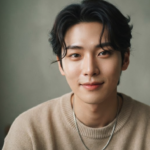
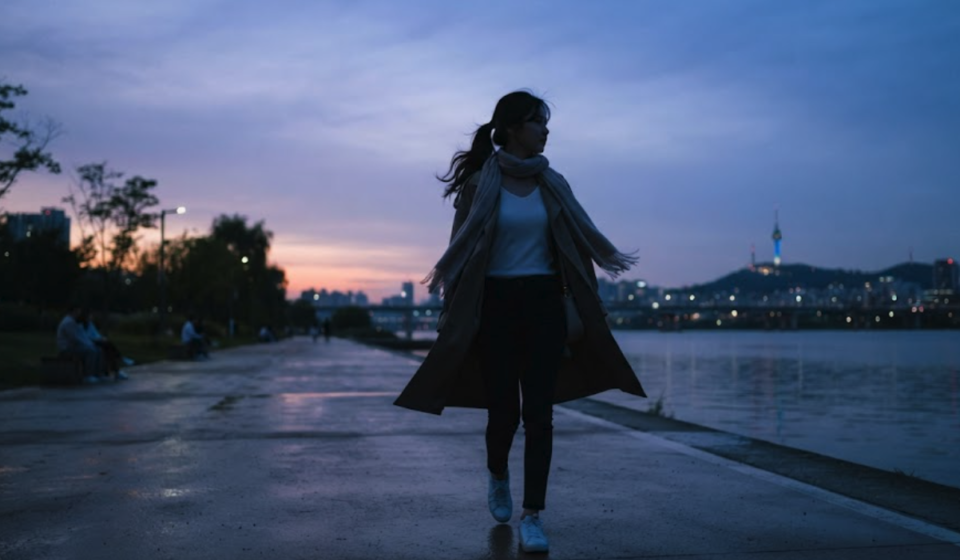

When foreigners visit Korea for the first time, one of the most common reactions is shock — not because of the food, the technology, or the speed of the city, but because people look unbelievably young.
A 40‑year‑old looks 28.
A 50‑year‑old looks 35.
And a 30‑year‑old looks… well, like a college student.
It’s not an exaggeration.
It’s a cultural phenomenon.
Foreigners often say:
“Koreans don’t age.”
“Everyone looks ten years younger.”
“I can’t guess anyone’s age here.”
This isn’t magic.
It isn’t genetics.
It isn’t just skincare.
Koreans seem to “age backwards” because the entire society — its beauty standards, media, medical system, lifestyle, and cultural values — is built around maintaining youthfulness.
This is the deeper story behind Korea’s powerful ‘동안 문화,’ the culture of looking young.
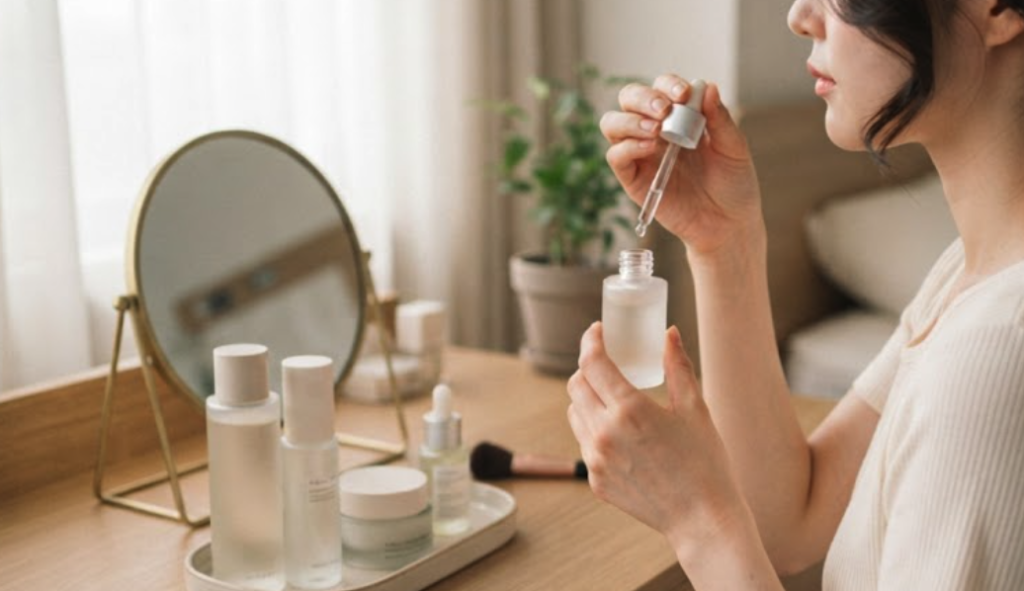
✦ 1. Youthfulness Is a Social Advantage in Korea
Korea is a fast‑moving society.
Trends change quickly, industries evolve rapidly, and competition is intense.
In such an environment, youthfulness becomes a form of social currency.
Looking young signals:
• energy
• health
• capability
• modernity
• adaptability
• self‑management
• professionalism
In job interviews, a youthful appearance can create a positive first impression.
In workplaces, it can signal vitality and discipline.
In social relationships, it can imply confidence and care.
Foreigners often say:
“In Korea, looking young feels like a skill.”
And they’re right.
Youthfulness is not just an aesthetic preference — it’s a social advantage.
✦ 2. K‑pop and K‑drama Created Korea’s ‘Youthful Aesthetic’
K‑pop idols and Korean actors are global icons of youthful beauty.
Their faces — smooth skin, bright tone, soft features, balanced proportions — have become the blueprint for modern Korean aesthetics.
Idols and actors often look:
• spotless
• glowing
• fresh
• symmetrical
• energetic
• ageless
This media‑driven beauty standard influences the entire nation.
People don’t necessarily want to look like celebrities,
but they do want to look fresh, clean, and youthful — the core of the K‑pop/K‑drama aesthetic.
Foreigners often ask:
“Do Koreans try to look like idols?”
Not exactly.
But idols popularized the youthful look and made it mainstream.
✦ 3. Korea’s Dermatology System Makes Youthfulness Accessible
Korea has one of the world’s most advanced and accessible dermatology ecosystems.
Clinics are everywhere — in Gangnam, Hongdae, Busan, Daegu, and even small towns.
This accessibility creates a culture where skin maintenance is normal, not luxurious.
Common treatments include:
• lifting lasers
• pore tightening
• brightening treatments
• anti‑aging lasers
• jawline contouring
• under‑eye smoothing
• collagen‑boosting procedures
• hairline correction
These treatments are:
• fast
• subtle
• affordable
• natural
• low‑downtime
• widely available
Foreigners often say:
“Korean clinics feel like skincare cafés.”
“It’s so easy to get treatments here.”
This system makes youthfulness sustainable.
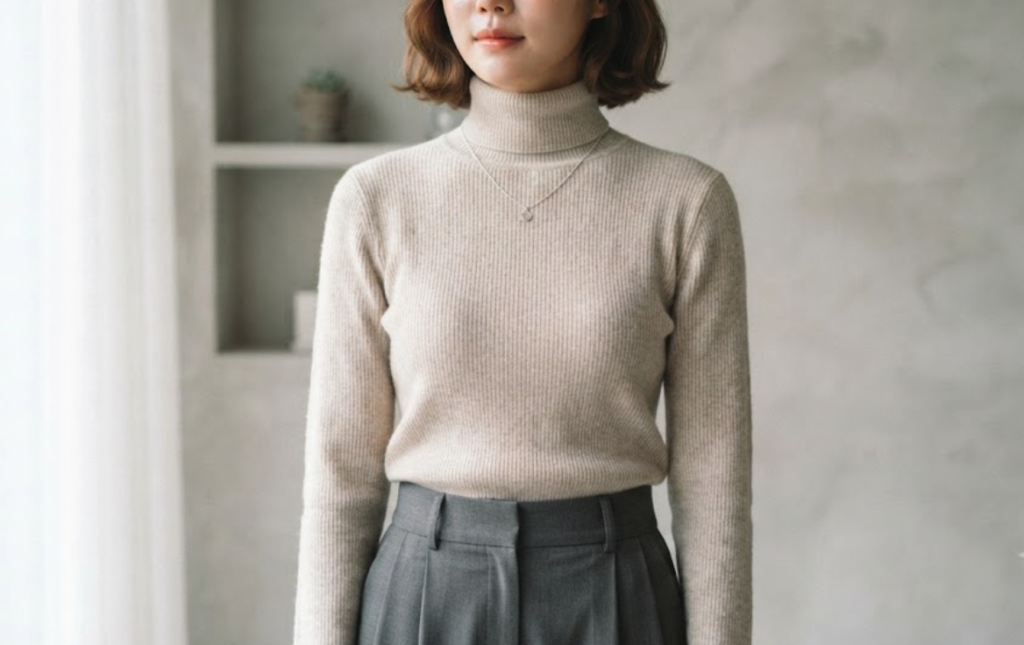
✦ 4. Korean Skincare Culture Is Built for Long‑Term Youthfulness
Korean skincare is famous worldwide, but the real secret is not the number of products — it’s the philosophy.
Korean skincare focuses on:
• hydration
• barrier repair
• gentle exfoliation
• brightening
• tone correction
• elasticity
• sun protection
• seasonal routines
Koreans don’t treat skin problems reactively.
They prevent them proactively.
Foreigners often say:
“Koreans treat skincare like a lifestyle.”
Even men follow detailed routines, which surprises many visitors.
This consistent care slows visible aging dramatically.
✦ 5. Korea’s Lifestyle Habits Support Youthfulness
Beyond skincare and clinics, everyday habits also contribute to Korea’s youthful appearance.
• high sunscreen usage
• low smoking rates among younger generations
• active walking culture
• balanced diets with fermented foods
• hydration habits
• regular medical checkups
• strong hygiene culture
• stress‑relief routines like spas and jjimjilbangs
These habits collectively create a foundation for long‑term youthfulness.
✦ 6. Korean Culture Values Cleanliness and Freshness
Korea’s aesthetic culture emphasizes:
• neatness
• cleanliness
• clarity
• brightness
• softness
• balance
These qualities naturally align with youthful appearance.
Even fashion and hair trends support this:
• clean hairstyles
• soft colors
• minimalistic makeup
• neat grooming
• balanced silhouettes
Foreigners often say:
“Koreans look fresh even when they’re casual.”
That freshness is part of the youthful aesthetic.
✦ 7. Youthfulness Is Seen as a Form of Self‑Respect
In Korea, taking care of your appearance is not vanity — it’s responsibility.
It signals:
• discipline
• respect for others
• respect for yourself
• social awareness
• personal pride
This cultural mindset encourages people to maintain a youthful, healthy appearance throughout life.
✦ Koreans Don’t Age Backwards — They Maintain Youthfulness Intentionally
Koreans don’t magically stay young.
They work at it — through culture, lifestyle, skincare, medical systems, and media influence.
Youthfulness in Korea is:
• a social value
• a cultural expectation
• a beauty standard
• a lifestyle
• a medical ecosystem
• a media influence
• a personal philosophy
This combination creates the illusion that Koreans “age backwards.”
In reality, they simply maintain youthfulness better — and more consistently — than almost anywhere else in the world.
🔗 Recommended Links
• https://kdoctorinterview.com/