
(A foreigner’s deep dive into Seoul’s most symbolic public space)
When foreigners visit Seoul for the first time, they often head straight to places like Myeongdong, Gangnam, or Hongdae.
But the place that reveals the true soul of Korea isn’t a shopping district or nightlife area.
It’s Gwanghwamun — a massive public square where history, politics, culture, and everyday life collide in the most dramatic way.
Gwanghwamun is not just a gate.
Not just a plaza.
Not just a tourist spot.
It is the symbolic center of Korea — a place where the country’s identity is constantly being expressed, challenged, and reinvented.
Foreigners often say:
“This place feels like the heart of Korea.”
“Why is everything so symbolic here?”
“Why do people gather here for protests, festivals, and national events?”
“How can one square represent so much?”
To understand Korea, you must understand Gwanghwamun.
🏯 1. Gwanghwamun Is the Front Gate to Korea’s Most Important Palace
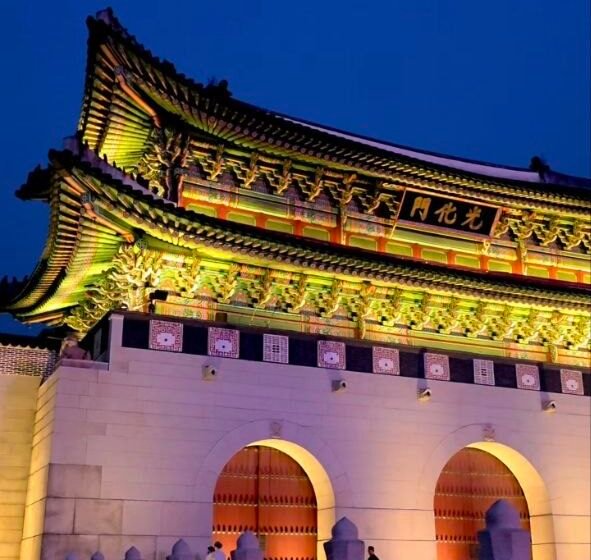
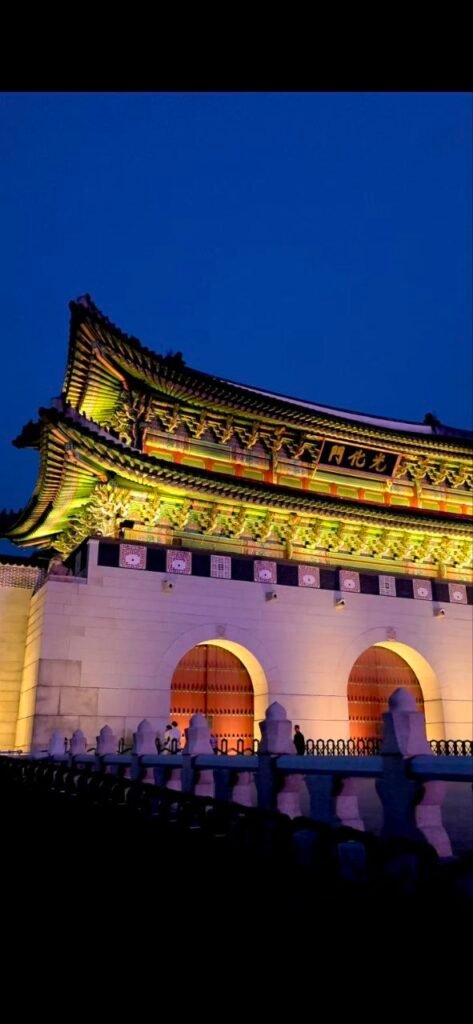
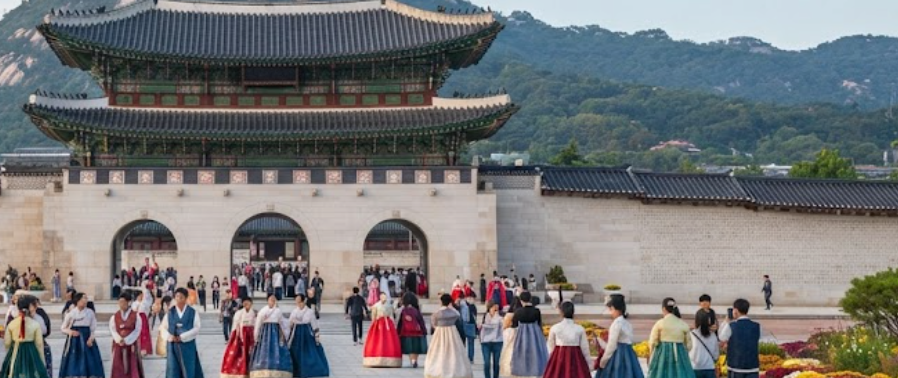
Gwanghwamun is the main gate of Gyeongbokgung Palace, the largest royal palace of the Joseon Dynasty.
The gate itself is:
- massive
- elegant
- symbolic
- historically significant
It represents:
- Korean monarchy
- national pride
- architectural heritage
- cultural identity
Foreigners often say:
“It feels like stepping into a different century.”
Because Gwanghwamun is where ancient Korea meets modern Seoul.
🏙️ 2. The Square Is Surrounded by Korea’s Most Powerful Institutions
Walk a few minutes from Gwanghwamun and you’ll find:
- the Blue House (former presidential residence)
- the Government Complex
- the Constitutional Court
- major media headquarters
- embassies
- national museums
This makes Gwanghwamun:
- politically symbolic
- culturally central
- historically important
Foreigners often say:
“Everything important seems to be located around this square.”
Exactly.
🗽 3. Gwanghwamun Is Korea’s Main Gathering Place for Protests and Movements
If Koreans want to express their voice, they come to Gwanghwamun.
The square has hosted:
- massive political protests
- candlelight demonstrations
- national celebrations
- memorial events
- cultural festivals
It is the symbolic stage for:
- democracy
- freedom
- public expression
- national unity
Foreigners often say:
“I’ve never seen a country where one square holds so much political energy.”
Gwanghwamun is where Korea’s democracy breathes.
🧍♂️ 4. The Statues of Admiral Yi Sun-sin and King Sejong Are National Icons
In the center of the square stand two monumental statues:
- Admiral Yi Sun-sin — Korea’s legendary naval commander
- King Sejong the Great — the creator of the Korean alphabet
These statues represent:
- courage
- innovation
- leadership
- national pride
Foreigners often say:
“It feels like walking through a national storybook.”
Because Gwanghwamun is a living museum.
🌄 5. The View of Bugaksan Mountain Creates a Stunning Backdrop
Behind Gwanghwamun rises Bugaksan, a mountain that frames the palace and the square.
The view is:
- majestic
- peaceful
- symbolic
- uniquely Korean
Foreigners often say:
“I’ve never seen a capital city where mountains sit directly behind government buildings.”
Seoul’s geography makes Gwanghwamun visually unforgettable.
🚶 6. Gwanghwamun Is a Place Where People Actually Live Their Daily Lives
Despite its historical and political importance, Gwanghwamun is also:
- a walking area
- a meeting spot
- a lunch break zone
- a weekend hangout
- a photography hotspot
You’ll see:
- office workers eating lunch
- families taking photos
- tourists exploring
- students relaxing
- couples walking
Foreigners often say:
“It’s amazing how normal life happens in such a symbolic place.”
That’s the charm of Gwanghwamun.
🖼️ 7. The Square Is Constantly Changing
Gwanghwamun has been redesigned multiple times.
Recent changes include:
- wider pedestrian areas
- more green spaces
- improved walkways
- cultural installations
- water fountains
- public art
Foreigners often say:
“It feels modern but still historical.”
Korea blends old and new seamlessly.
🕯️ 8. Gwanghwamun at Night Feels Completely Different
At night, the square transforms.
You’ll see:
- illuminated palace walls
- glowing statues
- peaceful crowds
- soft lighting
- calm atmosphere
Foreigners often say:
“Nighttime Gwanghwamun feels almost spiritual.”
It’s one of the most beautiful nighttime spots in Seoul.
🎎 9. Cultural Events Bring the Square to Life
Throughout the year, Gwanghwamun hosts:
- traditional performances
- art exhibitions
- seasonal festivals
- national ceremonies
- public concerts
Foreigners often say:
“It feels like the cultural center of the country.”
Because it is.
Gwanghwamun is not just a square.
It is:
- Korea’s historical gateway
- Korea’s political center
- Korea’s cultural symbol
- Korea’s gathering place
- Korea’s identity in physical form
For foreigners, visiting Gwanghwamun is one of the most powerful ways to understand Korea’s past, present, and future — all in one place.
🔗 Official Information Link for Gwanghwamun
For reliable and up‑to‑date information about Gwanghwamun and central Seoul, you can refer to the Seoul Tourism Organization’s official website.
👉 https://korean.visitseoul.net/AboutSeoul
This official page provides:
- an overview of Seoul’s major districts
- cultural and historical background
- key landmarks including Gwanghwamun
- travel tips and visitor information
- nearby attractions and recommended spots
It is one of the best sources for verified information about Seoul and its most iconic locations.