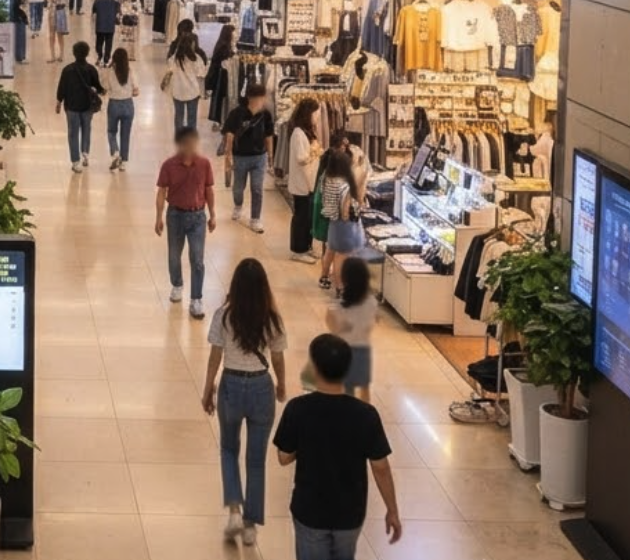

(A foreigner’s guide to Korea’s massive underground shopping culture — from Gangnam Station to COEX and beyond)
When foreigners first arrive in Seoul, they expect skyscrapers, neon signs, K‑pop billboards, and futuristic streets.
What they don’t expect is this:
A giant shopping mall…
underground.
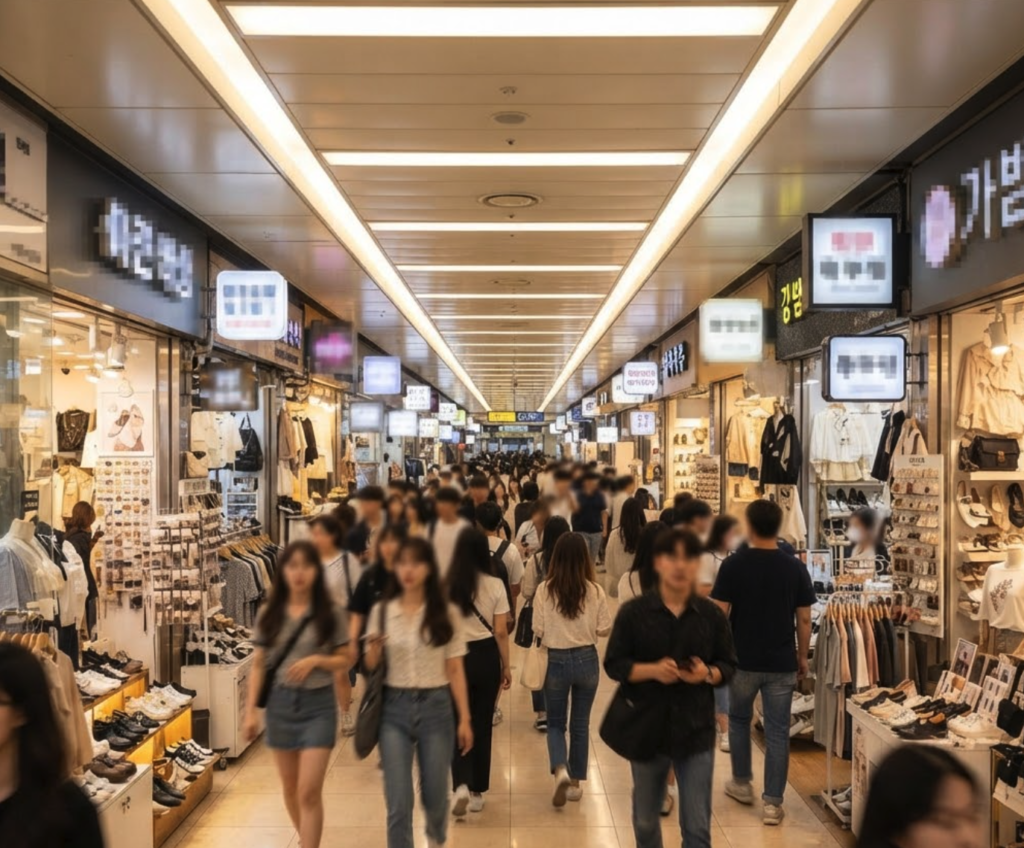
Not a small basement store.
Not a tiny passageway.
But a full shopping district with:
- fashion boutiques
- cafés
- beauty shops
- restaurants
- convenience stores
- pharmacies
- arcades
- even medical clinics
All located beneath the streets.
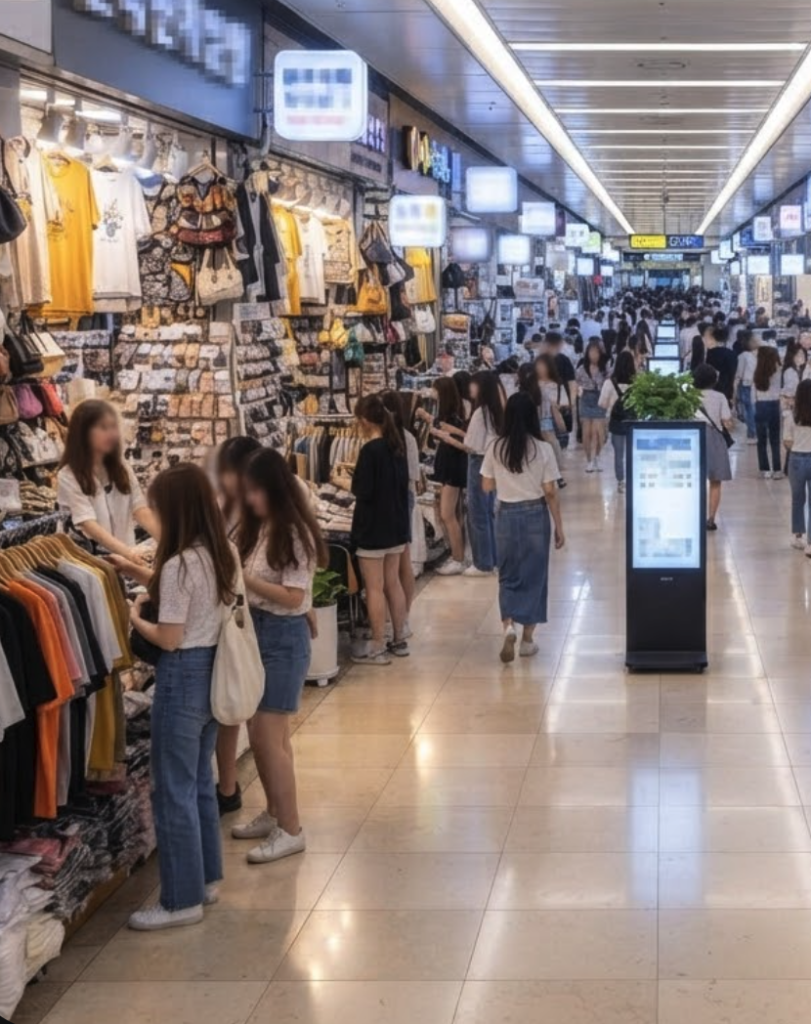
One of the most famous examples is Gangnam Underground Shopping Center, connected directly to Gangnam Station.
But Gangnam is just one piece of a much bigger system: Korea’s underground city culture.
Foreigners often say:
“Why is there a whole shopping mall under the ground?”
“How is this so big?”
“Why does the subway station look like a department store?”
“Do Koreans really shop underground?”
Yes.
And here’s why.
🌐 1. Korea Builds Underground Because Space Is Limited
Seoul is one of the densest cities in the world.
There’s simply not enough space above ground.
So Korea builds:
- malls underground
- walkways underground
- markets underground
- food courts underground
- entire shopping districts underground
This solves multiple problems:
- lack of land
- overcrowded streets
- weather protection
- efficient transportation
- easy access for commuters
Foreigners often say:
“It feels like a second city beneath the real city.”
That’s exactly what it is.
🚇 2. Underground Shopping Centers Are Connected to Subway Stations
Korea’s subway system is massive, clean, and extremely convenient.
Millions of people use it every day.
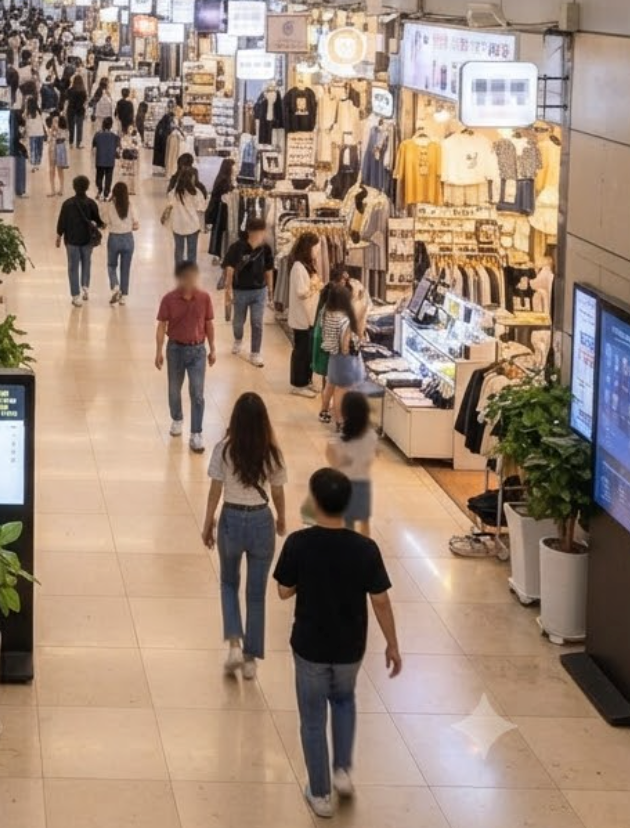
So Korea built shopping centers directly inside subway stations.
Examples include:
- Gangnam Station Underground Shopping Center
- Express Bus Terminal Underground Mall (GOTO Mall)
- COEX Mall (connected underground)
- Jamsil Station Lotte World Mall
- Myeongdong Station underground shops
- Seoul Station underground plaza
Foreigners often say:
“I went to take the subway and accidentally ended up shopping for an hour.”
That’s the Korean experience.
🛒 3. Underground Shopping Is Cheap, Trendy, and Fast
Korean underground malls are known for:
- affordable fashion
- trendy styles
- fast turnover
- small independent shops
- huge variety
You can find:
- clothes
- shoes
- accessories
- cosmetics
- phone cases
- snacks
- gifts
- stationery
All at lower prices than department stores.
Foreigners often say:
“It’s like a giant fast-fashion market underground.”
Exactly.
🌧️ 4. Underground Shopping Protects You From Weather
Korea has:
- hot summers
- cold winters
- heavy rain
- monsoon season
Underground malls solve this.
You can:
- shop
- eat
- walk
- commute
- meet friends
All without stepping outside.
Foreigners often say:
“I didn’t go outside for three hours and still walked a kilometer.”
That’s the beauty of underground shopping.
🧭 5. Underground Malls Are Designed Like Mazes (On Purpose)
Korean underground malls are intentionally complex.
Why?
- maximize space
- increase foot traffic
- connect multiple subway lines
- link buildings together
- create natural shopping flow
Gangnam Station’s underground mall is famous for:
- long corridors
- branching paths
- hidden shops
- multiple exits
- endless intersections
Foreigners often say:
“I got lost, but in a fun way.”
That’s part of the charm.
🧼 6. Underground Spaces in Korea Are Shockingly Clean
Unlike many countries where underground spaces feel dark or unsafe, Korea’s underground malls are:
- bright
- clean
- safe
- modern
- well-maintained
You’ll find:
- LED lighting
- polished floors
- clean bathrooms
- security cameras
- staff everywhere
Foreigners often say:
“This is cleaner than malls above ground in my country.”
Korea takes public cleanliness seriously.
🛡️ 7. Underground Shopping Is Extremely Safe
Korea’s underground malls are safe because:
- CCTV everywhere
- security guards
- low crime rate
- high social trust
- constant foot traffic
People shop comfortably even late at night.
Foreigners often say:
“I feel safer underground in Korea than above ground in other countries.”
Safety is part of the experience.
🧑🤝🧑 8. Underground Malls Are Social Spaces
Koreans don’t just shop underground.
They:
- meet friends
- eat meals
- study
- take photos
- hang out
- date
- relax
Underground malls are social hubs.
Foreigners often say:
“It feels like a community space, not just a shopping area.”
Exactly.
🏙️ 9. Underground Shopping Connects Entire Districts
Gangnam’s underground mall connects:
- subway lines
- bus stops
- office buildings
- cafés
- restaurants
- shopping streets
You can walk from one part of Gangnam to another entirely underground.
Same with:
- Jamsil
- Express Bus Terminal
- COEX
- Myeongdong
- Seoul Station
Foreigners often say:
“It’s like a hidden transportation network.”
It is.
🌅 Final Thoughts
Korea builds massive underground shopping centers because:
- space is limited
- subway stations are central
- weather is extreme
- safety is high
- cleanliness is prioritized
- shopping is cultural
- efficiency is valued
- underground life is normal
For foreigners, discovering Korea’s underground malls feels like finding a secret city beneath the real one.
Gangnam Underground Shopping Center isn’t just a mall.
It’s a symbol of Korea’s innovation, efficiency, and unique urban culture.

Leave a Reply
You must be logged in to post a comment.
[…] The Underground City: Why Korea Builds Giant Shopping Centers Below the Streets […]