
Living in Korea means adapting to one of the most detailed and strict waste management systems in the world.
Foreigners often say that Korean trash rules feel like taking a small exam every day, because the system is extremely organized, highly regulated, and deeply cultural.
But once you understand how it works, you realize that Korea’s trash system is not just about cleanliness—it’s about community responsibility, environmental awareness, and social harmony.
This article explains why Korea’s trash rules are so strict, how the system works, and what foreigners must know to survive daily life in Korea.
🌟 1. Why Korea Has Such Strict Trash Rules
Korea’s trash system didn’t appear overnight.
It developed because of several historical and environmental factors.
✔ Limited land
Korea has very little space for landfills.
Strict rules help reduce waste volume.
✔ High population density
Cities like Seoul and Busan are extremely crowded.
Without strict rules, trash would overwhelm public spaces.
✔ Environmental awareness
Korea has strong national campaigns for recycling and reducing waste.
✔ Community responsibility
Koreans believe public cleanliness is a shared duty.
✔ Government regulation
The government enforces detailed rules to maintain order.
Foreigners often say:
“Korea has the most organized trash system I’ve ever seen.”
And they’re right.
🗑️ 2. The Three Main Types of Trash in Korea
Korean trash is divided into three major categories:
1) General Waste (일반쓰레기)
Everything that cannot be recycled or composted.
2) Food Waste (음식물쓰레기)
Leftover food, peels, scraps.
3) Recycling (재활용)
Paper, plastic, glass, metal, styrofoam, cartons.
Each category has its own rules, bags, and disposal methods.
💰 3. General Waste: The Pay-Per-Bag System (종량제 봉투)
Korea uses a volume-based waste fee system called 종량제.
✔ You must buy official trash bags
You cannot use random bags.
Each city has its own design and price.
✔ Prices depend on size
Common sizes:
- 5L
- 10L
- 20L
- 50L
✔ Why Koreans pay for trash bags
To encourage:
- Less waste
- More recycling
- More food waste separation
✔ Where to buy
Convenience stores
Supermarkets
Apartment management office
Foreigners often say:
“I didn’t know I had to buy trash bags just to throw things away.”
🥬 4. Food Waste: The Most Confusing Part for Foreigners
Food waste rules are extremely strict.
✔ What counts as food waste
- Vegetable scraps
- Fruit peels
- Rice
- Noodles
- Meat scraps
- Fish bones
- Coffee grounds
✔ What does not count as food waste
- Plastic
- Paper
- Napkins
- Tissues
- Shells (walnuts, clams)
- Large bones
✔ How to dispose
Most apartments have:
- Food waste bins
- RFID food waste machines
- Weight-based disposal systems
✔ Why food waste is separated
Korea recycles food waste into:
- Animal feed
- Fertilizer
- Biofuel
Foreigners often say:
“I didn’t know I couldn’t throw napkins into food waste.”
🔄 5. Recycling: The Most Detailed System in Korea
Korean recycling rules are extremely specific.
✔ Plastic
Must be washed
Labels removed if possible
No food residue
✔ Glass
Separated by color
Washed
Caps removed
✔ Paper
Flattened
No food stains
No plastic coating
✔ Metal
Cans washed
Compressed if possible
✔ Cartons (우유팩)
Separated from regular paper
Washed
Dried
✔ Styrofoam
Clean
No food stains
Foreigners often say:
“Korean recycling feels like doing a science experiment.”
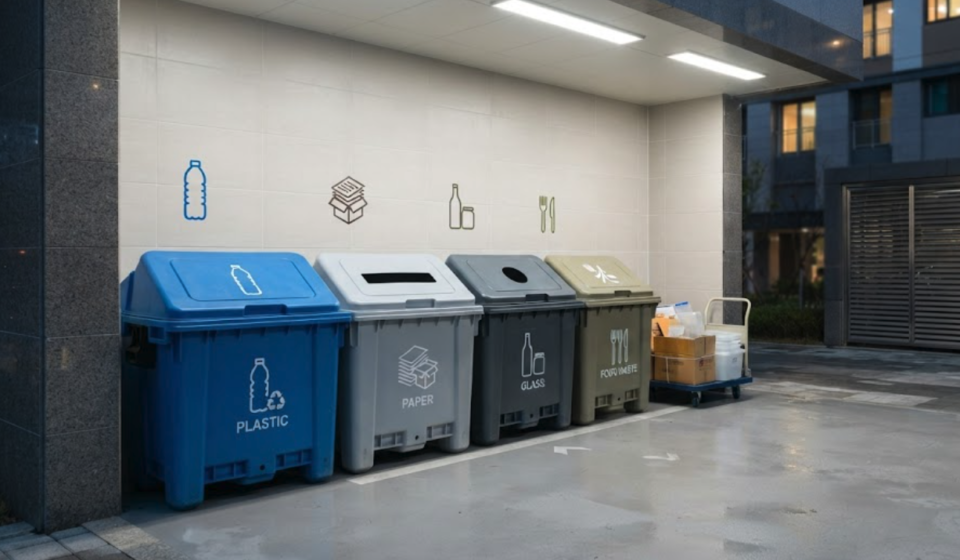
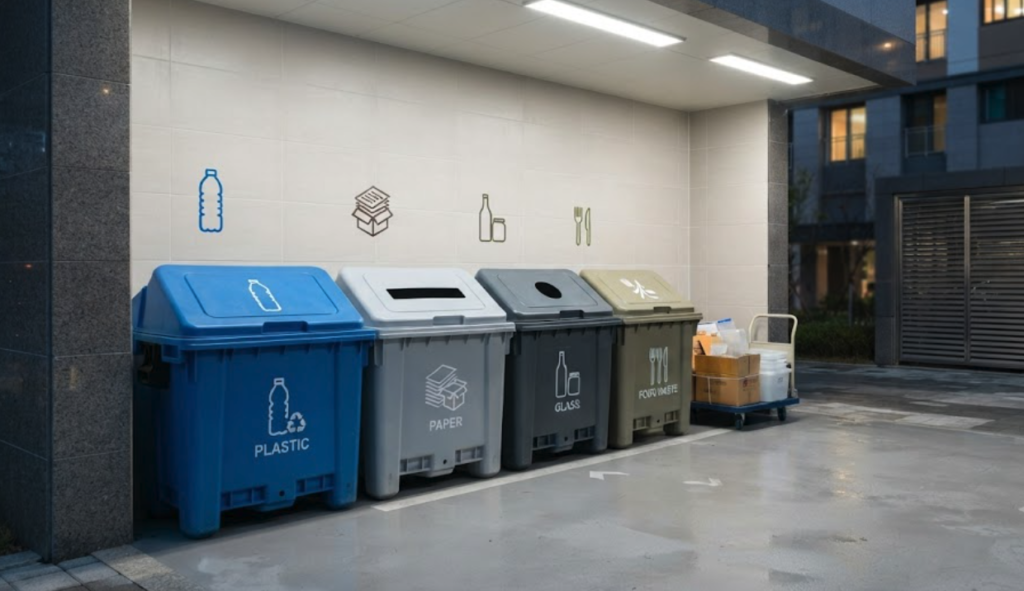
🏢 6. Apartment Trash Rooms: Organized and Monitored
Korean apartments have designated trash areas.
✔ CCTV monitoring
To prevent illegal dumping.
✔ Separate bins
Each category has its own section.
✔ Clear signage
Instructions in Korean (sometimes English).
✔ Strict enforcement
Management can issue warnings or fines.
✔ Clean environment
Trash rooms are cleaned daily.
Foreigners often say:
“I’ve never seen such clean trash rooms anywhere else.”
🚫 7. Illegal Dumping: Koreans Take It Seriously
Illegal dumping includes:
- Using the wrong bag
- Throwing food waste in general waste
- Leaving trash outside the designated area
- Not separating recyclables
- Dumping large items without stickers
✔ Penalties
Fines
Warnings
Management reports
Koreans see illegal dumping as disrespectful to the community.
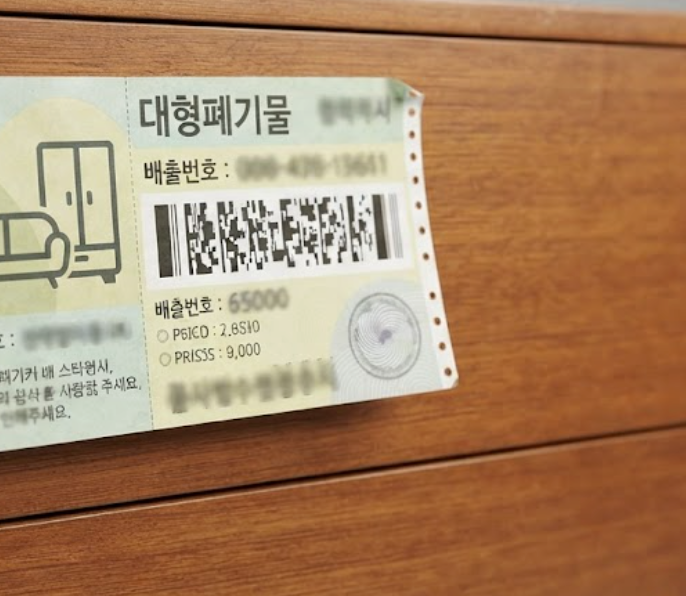
🛋️ 8. Large Trash Items: You Need a Sticker
For items like:
- Furniture
- Mattresses
- Electronics
- Appliances
You must buy a large waste sticker (대형폐기물 스티커).
✔ How it works
- Register the item online or at the district office
- Pay the fee
- Receive a sticker
- Attach it to the item
- Place it in the designated area
Foreigners often say:
“I didn’t know I needed a sticker just to throw away a chair.”
🧼 9. Why Koreans Follow Trash Rules So Strictly
✔ Respect for community
Trash affects everyone.
✔ Social pressure
People don’t want to be seen as irresponsible.
✔ Habit
Koreans learn trash rules from childhood.
✔ Efficiency
Strict rules keep cities clean.
✔ Environmental awareness
Recycling is part of Korean culture.
🌏 10. Why Foreigners Find Korean Trash Rules Confusing
✔ Too many categories
General, food, recycling, large items.
✔ Detailed instructions
Wash, dry, flatten, separate.
✔ Language barrier
Signs are often only in Korean.
✔ Apartment-specific rules
Each building has its own system.
✔ Cultural expectations
Koreans expect everyone to follow the rules.
Foreigners often say:
“Korean trash rules are harder than learning the language.”
🌅 Final Thoughts
Korean trash and recycling rules are strict, detailed, and sometimes overwhelming.
But they reflect Korea’s values:
- Community responsibility
- Environmental awareness
- Cleanliness
- Efficiency
- Social harmony
Once you understand the system, you realize it’s designed to make life cleaner, safer, and more sustainable for everyone.
For anyone living in Korea, mastering the trash system is not optional—it’s essential.
🔗 Recommended Links
https://koreaseoulinfo.com/