
Korea is known for its fast-paced lifestyle, advanced technology, and competitive work culture. But behind that intensity lies something equally powerful: a deeply rooted self‑care culture. Koreans invest time, money, and energy into maintaining their physical and mental well‑being, and this daily commitment to wellness is one of the reasons many foreigners describe Korea as a place where “people look young, energetic, and well-balanced.”
This guide explores how Koreans practice wellness in everyday life—and how foreign visitors can experience the same routines.
🏋️ 1. Fitness Culture: Gyms Everywhere, Motivation Everywhere
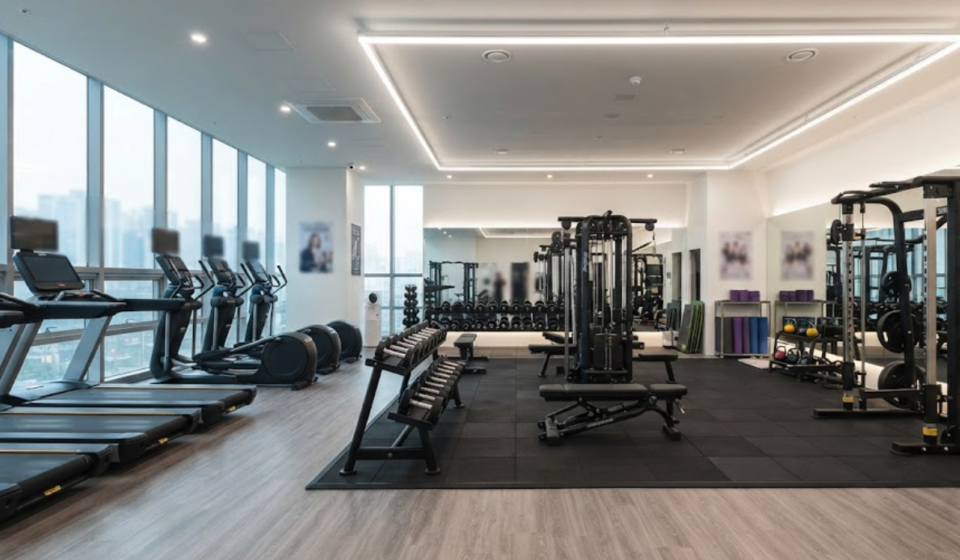
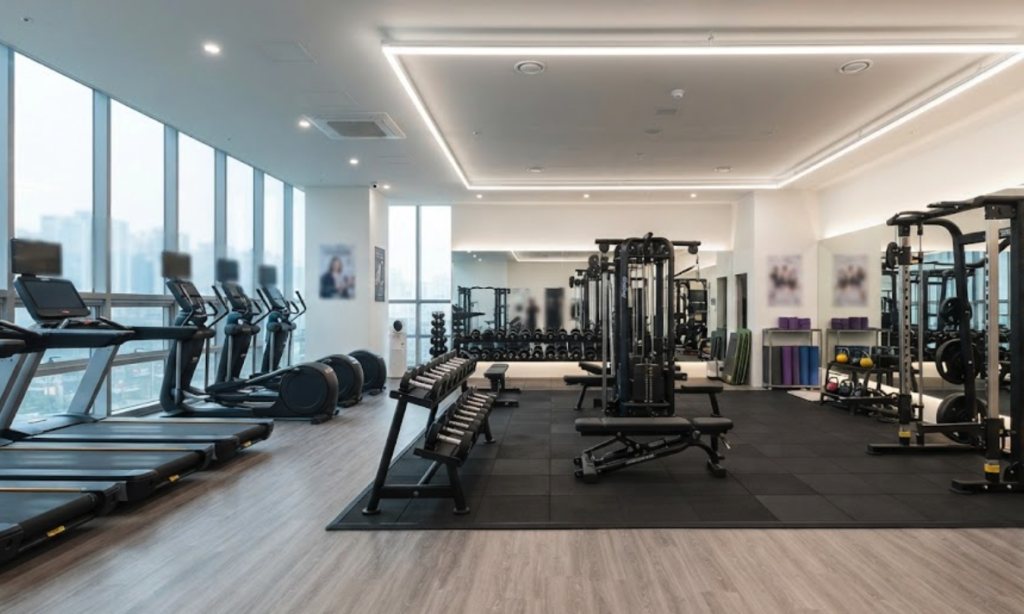
Korea’s fitness culture is strong.
Gyms are everywhere—inside malls, office buildings, subway stations, and even residential complexes.
Why Koreans love fitness
- Affordable gym memberships
- Clean, modern facilities
- Personal trainers widely available
- Strong culture of self-improvement
- Social media influence (body profile trend, fitness influencers)
Popular Korean fitness routines
- Weight training
- Pilates (huge trend, especially among women)
- Yoga
- CrossFit
- Morning jogging along rivers or parks
Foreigners often say Korean gyms feel “organized, clean, and motivating.”
💆 2. Skincare & Beauty: Daily Ritual, Not Luxury
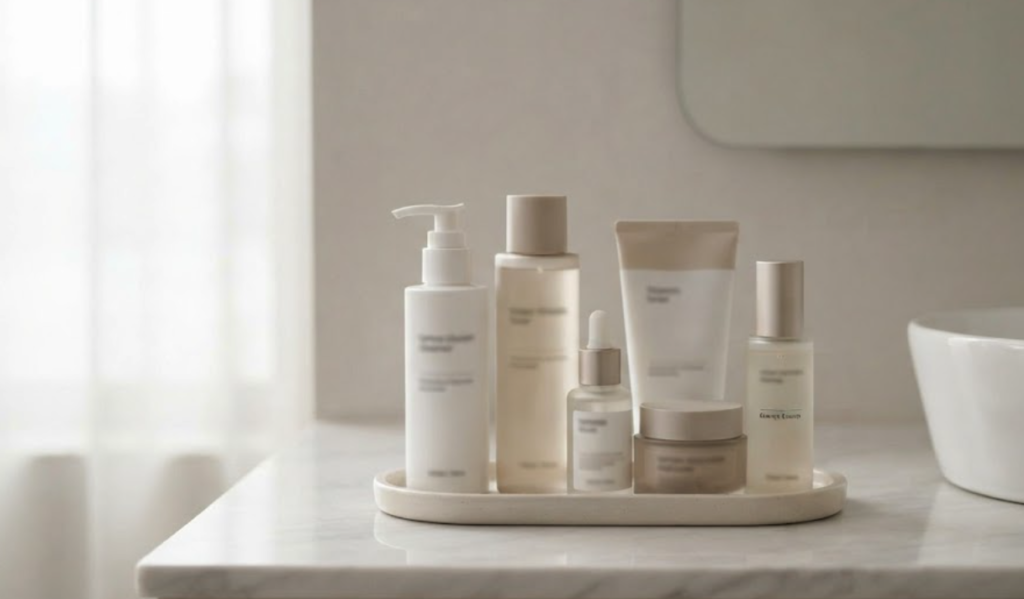
Korean skincare is famous worldwide, but in Korea, it’s not a luxury—it’s a lifestyle.
Daily Korean skincare habits
- Double cleansing
- Toner + essence
- Moisturizer
- Sunscreen (non-negotiable)
- Weekly sheet masks
Why Koreans invest in skincare
- Pollution & weather changes
- Cultural emphasis on neat appearance
- Preventive care mindset
- Affordable clinics & dermatology access
Even foreigners visiting Korea often try:
- Laser treatments
- Hydration facials
- Acne care
- Skin rejuvenation programs
Korean skincare is about consistency, not complexity.
🧘 3. Mindfulness & Stress Relief: Quiet Moments in a Busy Country
Despite Korea’s fast pace, Koreans actively seek ways to calm their minds.
Popular stress-relief habits
- Meditation apps
- Yoga studios
- Forest walks
- Temple stays
- Journaling
- Quiet cafés for “alone time”
Temple Stay Programs
Foreigners love these because they offer:
- Meditation
- Tea ceremonies
- Silent meals
- Nature walks
- Digital detox
Korea’s mindfulness culture blends tradition with modern wellness trends.
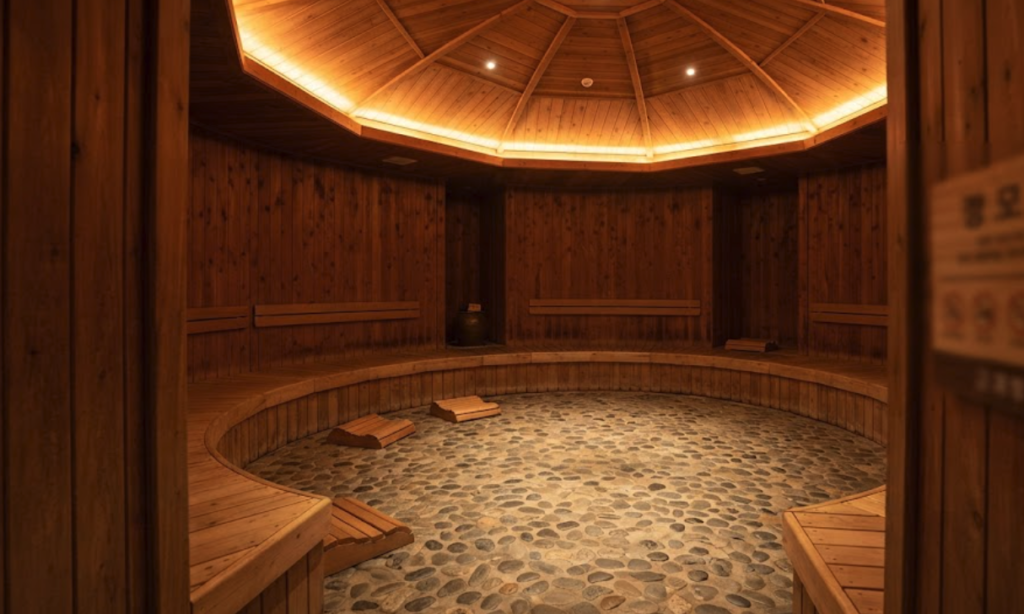
♨️ 4. Jjimjilbang & Spa Culture: Korea’s Unique Healing Spaces
Jjimjilbang(찜질방) is a Korean-style sauna and relaxation center.
What you’ll find inside
- Dry sauna rooms
- Hot baths
- Cold plunge pools
- Resting areas
- Massage chairs
- Sleeping zones
- Healthy snacks (sikhye, baked eggs)
Why Koreans love jjimjilbang
- Cheap
- Relaxing
- Social
- Great for muscle recovery
- Perfect for weekend self-care
Foreigners often describe jjimjilbang as “the most relaxing place in Korea.”
🍱 5. Healthy Eating Habits: Balanced Meals Without Trying
Korean meals naturally support wellness.
Typical Korean meal
- Rice
- Soup
- 3–6 side dishes
- Vegetables
- Fermented foods (kimchi, doenjang)
- Low sugar, low dairy
Why it’s healthy
- High fiber
- Low fat
- Fermented foods improve gut health
- Variety prevents overeating
Even busy office workers often eat balanced meals thanks to Korea’s food culture.
🧖 6. Professional Self‑Care: Clinics, Massages, and Recovery Centers
Korea has countless wellness services:
- Dermatology clinics
- Physical therapy centers
- Massage shops
- Chiropractic clinics
- Oriental medicine clinics
- Recovery spas
These services are:
- Affordable
- High quality
- Easy to access
- Foreign-friendly
Many foreigners combine medical treatment with wellness programs for faster recovery.
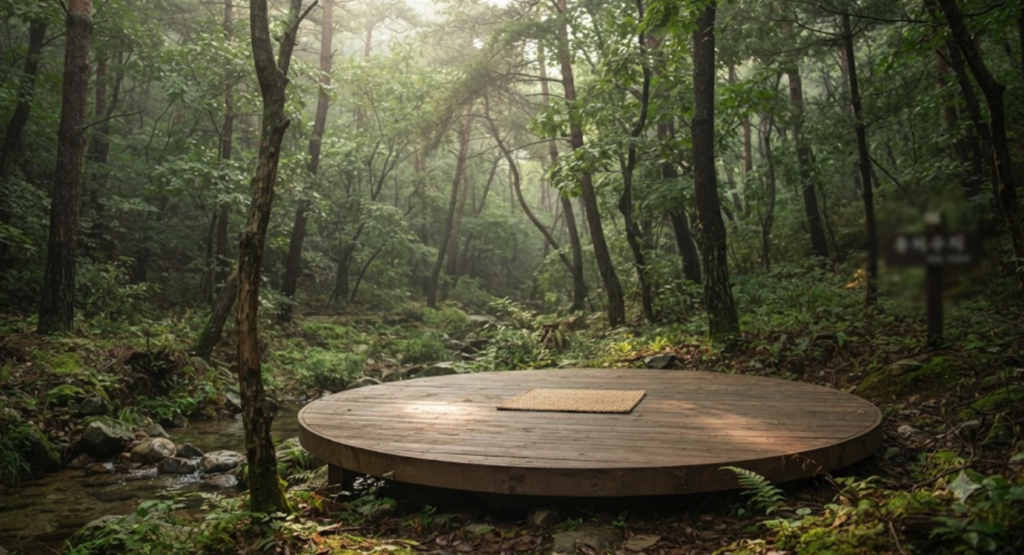
🌿 7. The Korean Self‑Care Mindset
Koreans see self-care as:
- A responsibility
- A daily habit
- A way to stay productive
- A form of respect for oneself
This mindset is why Koreans maintain:
- Clear skin
- Good posture
- Healthy weight
- Strong mental resilience
It’s not about perfection—it’s about consistency.
Living in Korea means living in a place where wellness is woven into everyday life.
From skincare routines and fitness habits to meditation, jjimjilbang culture, and balanced meals, Koreans practice self-care in ways that are simple, sustainable, and deeply effective.
Foreign visitors often say:
“Korea made me rethink how I take care of myself.”
And that’s exactly the beauty of Korean daily wellness.
🔗 Recommended Links
- Korea Seoul Info
- MediKorea82 (Medical Tourism Info)
https://medikorea82.com/