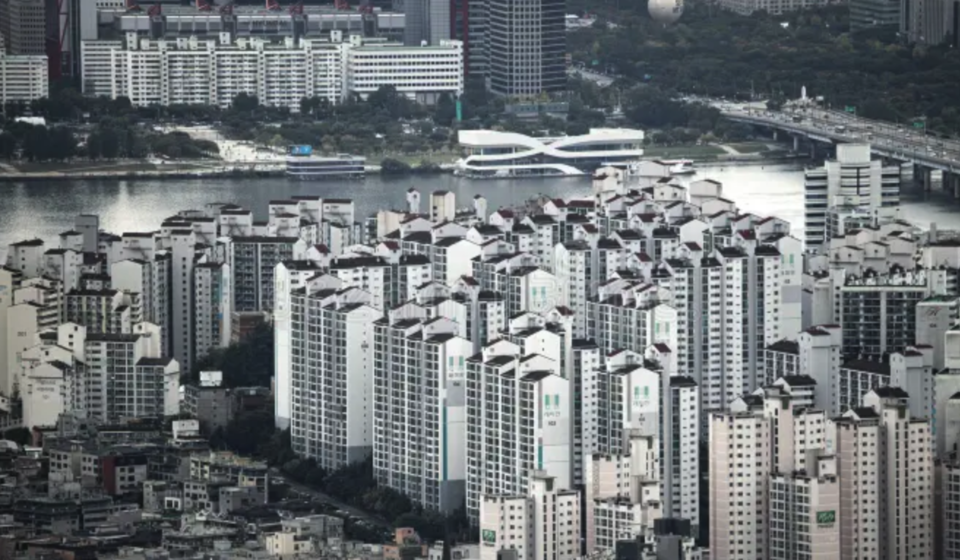

Korea’s real estate market is one of the most closely watched sectors in the country. Housing prices, rental systems, redevelopment rules, and government policies all play major roles in shaping daily life. For foreigners living in Korea—or those simply interested in how modern Korean society works—understanding the 2026 real estate policy is essential.
This guide explains Korea’s 2026 real estate policies in clear, simple English, focusing on what foreigners need to know about housing, renting, redevelopment, and market trends.
⭐ 1. Overview: Why Korea’s Real Estate Policy Matters in 2026
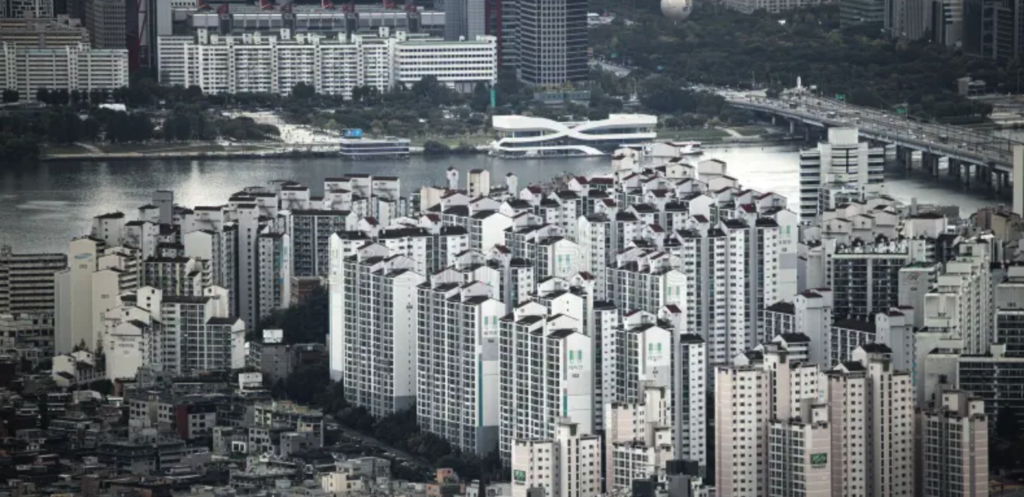
Korea’s housing market has been highly competitive for decades, especially in Seoul.
From 2020 to 2023, housing prices surged due to:
- Limited supply
- High demand in Seoul
- Low interest rates
- Strong preference for apartment living
But from 2024 to 2025, the market shifted:
- Interest rates increased
- Government tightened regulations
- Rental fraud cases emerged
- Young people struggled with housing costs
Because of these issues, the Korean government introduced new 2026 real estate policies to stabilize the market, protect renters, and increase housing supply.
⭐ 2. Key Real Estate Policies in 2026 (Summary)
Here are the major policy directions for 2026:
✔ Increased housing supply
More public housing, redevelopment, and new towns.
✔ Stronger protection for renters
Especially against “jeonse fraud.”
✔ Support for young adults and newlyweds
Monthly rent support, special housing programs.
✔ Redevelopment and reconstruction reforms
Loosening some regulations to increase supply.
✔ Tax adjustments
Changes for multi-home owners and foreign buyers.
✔ Balanced development
More support for cities outside Seoul.
⭐ 3. Housing Supply Expansion
Korea’s biggest challenge is lack of housing in Seoul.
To solve this, the government is expanding supply through:
✔ 1) New Town Projects
Large-scale developments outside Seoul, including:
- 3rd New Town (3기 신도시)
- Areas like Goyang, Hanam, Incheon, and Bucheon
These towns aim to provide affordable housing for young families.
✔ 2) Redevelopment & Reconstruction
Older apartment complexes in Seoul are being rebuilt.
✔ 3) Public Housing
More affordable rental units for low-income and young residents.
✔ 4) Public Sale Apartments (공공분양)
Government-built apartments sold at lower prices.

⭐ 4. Youth & Newlywed Housing Support
Young adults in Korea face high housing costs.
To help them, the government offers:
✔ Monthly Rent Support
Financial aid for young people earning below a certain income level.
✔ Youth Public Housing
Small studio apartments with low rent.
✔ Newlywed Housing Priority
Special supply programs for married couples.
✔ Low-interest Loans
For deposits and monthly rent.
Foreigners often find Korea’s youth housing support surprisingly generous compared to other countries.
⭐ 5. Changes to Korea’s Rental System (Jeonse & Wolse)
Korea has a unique rental system called jeonse (전세).
Foreigners often find it confusing, so here’s a simple explanation:
✔ Jeonse
- You pay a large deposit (often 50–70% of the home’s value).
- You pay no monthly rent.
- You get the deposit back at the end of the contract.
✔ Wolse
- Monthly rent + smaller deposit.
- Similar to Western rental systems.
✔ 2026 Policy Changes
Because of jeonse fraud cases, the government introduced:
- Mandatory jeonse insurance
- Stronger landlord verification
- Transparent contract systems
- More protection for tenants
Also, jeonse is slowly decreasing, and monthly rent (wolse) is becoming more common.
⭐ 6. Tax Policy Changes in 2026
Korea adjusts real estate taxes frequently.
In 2026, the main changes include:
✔ Multi-home owner taxes
Some taxes may be eased to encourage selling and increase supply.
✔ Property holding tax (종부세)
Adjustments to reduce burden on middle-class owners.
✔ Acquisition tax
Foreign buyers may face stricter rules depending on region.
✔ Capital gains tax
Changes to encourage more transactions.
Foreigners buying property should always check updated regulations.
⭐ 7. Redevelopment & Reconstruction Policy
Seoul has many old apartment complexes built in the 1980s–1990s.
Redevelopment is essential to increase supply.
✔ 2026 changes
- Easier safety inspections
- Higher floor area ratios
- Faster approval processes
- More incentives for rebuilding old complexes
Areas like Gangnam, Jamsil, Mokdong, and Yeouido are major redevelopment zones.
⭐ 8. Market Outlook for 2026
✔ Interest Rates
If interest rates decrease, housing demand may rise again.
✔ Seoul vs Other Cities
Seoul remains the most competitive market.
Other cities like Busan, Daegu, and Daejeon show more stability.
✔ Rental Market
Monthly rent continues to grow.
Jeonse becomes less common.
✔ Foreign Investment
Foreign buyers are increasing, especially in:
- Gangnam
- Yongsan
- Songdo
- Busan coastal areas
⭐ 9. What Foreigners Should Know About Korean Real Estate
✔ 1) Jeonse is unique
No other country has this system.
✔ 2) Deposits are very high
Even monthly rent requires a deposit.
✔ 3) Real estate agents are licensed
Fees are regulated by law.
✔ 4) Contracts must be registered
This protects your deposit.
✔ 5) Foreigners can buy property
But some areas have restrictions.
✔ 6) English-speaking agents exist
Especially in Itaewon, Gangnam, and Yongsan.
⭐ 10. Conclusion: What 2026 Policies Mean for Korea
Korea’s 2026 real estate policies aim to:
- Stabilize housing prices
- Protect renters
- Support young adults
- Increase supply
- Modernize old neighborhoods
- Reduce inequality between Seoul and other cities
For foreigners, understanding these policies helps you navigate Korea’s housing market more confidently—whether you plan to rent, buy, or simply learn more about modern Korean society.
If you want to explore more information about Korean lifestyle, beauty, and Seoul culture, visit the following sites:
👉 About Korea 8282 — https://aboutkorea8282.com/
👉 Korea Seoul Info — https://koreaseoulinfo.com/