
Essential survival guide for foreigners living in Korea’s extreme seasons.
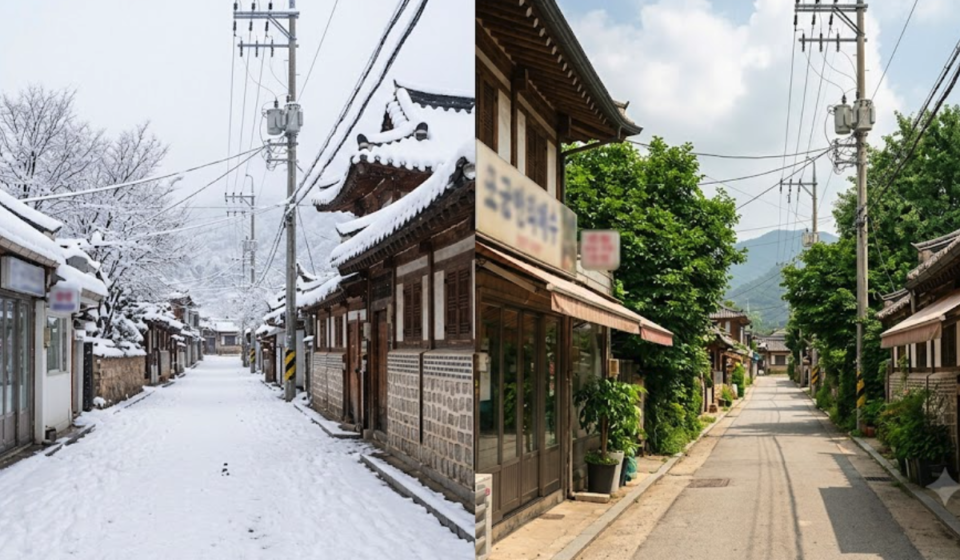
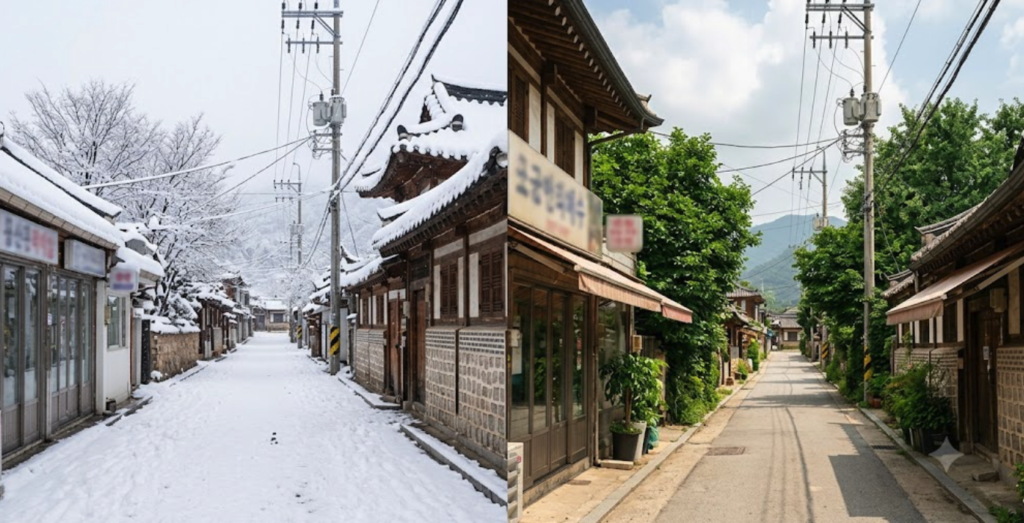
Korea has four distinct seasons, but for many foreigners, it feels more like two extremes:
a freezing winter and a hot, humid summer.
If you’re living in Korea, adapting to these seasons is not just about comfort—it’s about survival.
Here’s a practical, real-life guide to help you get through Korea’s most intense weather.
❄️ 1. Surviving Korea’s Winter (December–February)
Korean winters are cold, dry, and windy, especially in cities like Seoul.
Temperatures often drop to -10°C, and the wind chill can make it feel even colder.
✔ Why Korean winter feels so cold
- Strong wind chill
- Very dry air
- Thin but icy snow
- Long nights and short daylight
- Concrete buildings that retain cold
Even people from cold countries say Korea’s winter feels “sharp.”
🧥 Essential Winter Clothing
If you want to survive, you need the right gear.
Must-haves:
- Long padded coat (롱패딩)
Korea’s #1 winter item. Warm, lightweight, and windproof.
- Heat-tech innerwear
Uniqlo, SPAO, TopTen—cheap and effective.
- Fleece or knit layers
Layering is key.
- Warm socks
Floors can be cold even with ondol.
- Gloves + scarf + beanie
Wind chill protection is essential.
- Waterproof shoes
Snow becomes ice quickly.
🏠 Home Survival Tips
Korean homes use ondol (floor heating), which is amazing—but the air gets extremely dry.
Do this:
- Use a humidifier
- Keep a water bowl near the heater
- Apply moisturizer often
- Drink warm tea
- Air out the room occasionally to avoid dryness headaches
🚶 Outdoor Survival Tips
- Avoid walking on shiny sidewalks—they’re ice.
- Wear shoes with grip.
- Keep hand warmers (핫팩) in your pocket.
- Don’t trust the sun—it’s still freezing.
- Convenience stores sell cheap winter gear in emergencies.
🍲 Winter Foods That Help You Survive
Korean winter food is basically survival food.
- Hotteok (sweet pancake)
- Odeng/Eomuk (fish cake soup)
- Tteokbokki
- Ramyeon
- Goguma (roasted sweet potato)
- Jjigae (kimchi stew, doenjang stew)
These warm you from the inside out.
☀️ 2. Surviving Korea’s Summer (June–August)
Korean summers are hot, humid, and sticky.
Temperatures often reach 35°C, but the humidity makes it feel like 40°C+.
✔ Why Korean summer feels so intense
- High humidity
- Tropical-style monsoon rain
- Heat trapped between tall buildings
- Strong UV rays
- Mosquito season
Foreigners often say Korean summer feels like “walking inside a sauna.”
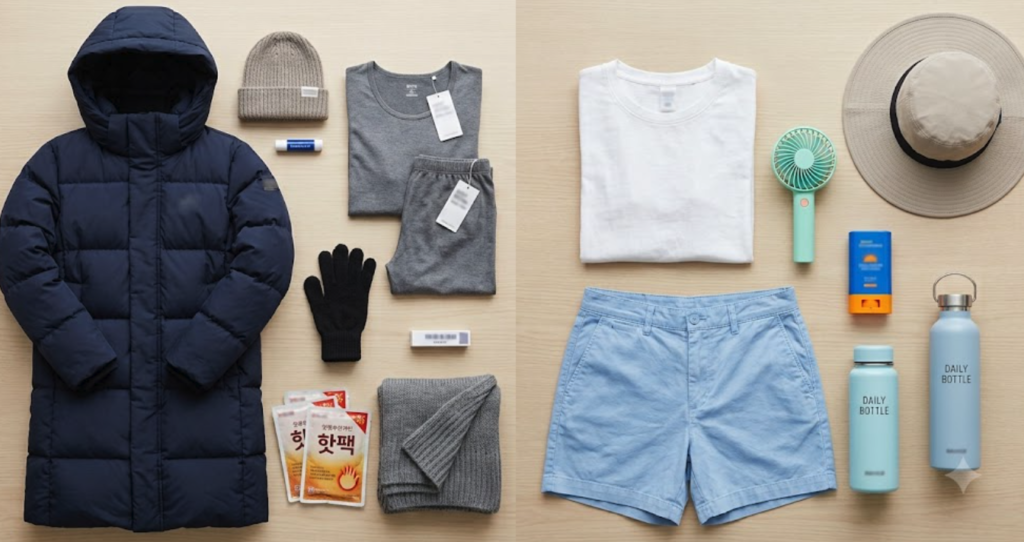
👕 Essential Summer Clothing
You need clothes that breathe.
Must-haves:
- Lightweight cotton shirts
- Linen clothing
- Loose pants or shorts
- UV-protection sleeves
- Breathable sneakers or sandals
- Portable fan (손선풍기) ← Korean summer essential
🏠 Home Survival Tips
- Use air conditioning (에어컨) wisely
- Keep windows closed during humid hours
- Use a dehumidifier if possible
- Shower often
- Keep mosquito screens closed
- Buy mosquito repellent (모기약) early—stores run out
🚶 Outdoor Survival Tips
- Avoid going out between 12–4 PM
- Carry a portable fan
- Drink water constantly
- Use sunscreen
- Bring a small towel (everyone sweats)
- Convenience stores sell cold drinks everywhere
🍉 Summer Foods That Help You Survive
Korean summer food is refreshing and hydrating.
- Naengmyeon (cold noodles)
- Patbingsu (shaved ice dessert)
- Cold soba
- Watermelon
- Iced Americano (Korea’s national drink)
- Samgyetang (ginseng chicken soup for stamina)
🌧️ 3. Monsoon Season (장마): The Hidden Challenge
Late June to mid-July is monsoon season.
What to expect:
- Heavy rain
- Sudden storms
- High humidity
- Slippery roads
- Mold risk at home
Survival items:
- Strong umbrella
- Waterproof shoes
- Quick-dry clothing
- Dehumidifier or moisture absorbers
- Mold cleaner for bathrooms
🧭 4. Seasonal Health Tips for Foreigners
Winter:
- Moisturize often
- Drink warm water
- Protect your throat
- Avoid icy sidewalks
- Keep your home humidified
Summer:
- Stay hydrated
- Avoid heatstroke
- Use sunscreen
- Keep your home dry
- Watch out for mosquitoes
⭐ Korea’s Seasons Are Extreme, But You Can Adapt
Korea’s winter and summer can feel overwhelming at first.
But with the right clothing, tools, and habits, you’ll adapt quickly—and maybe even enjoy the seasonal traditions.
Living in Korea means experiencing:
- Cozy winters with hot street food
- Vibrant summers with festivals and cold noodles
- Monsoon rains that feel dramatic
- A lifestyle shaped by weather
Once you learn how to survive the extremes, Korea becomes a much more comfortable—and exciting—place to live.