Skip to content
Subscribe to our newsletter & never miss our best posts. Subscribe Now!
aboutkorea8282.com aboutkorea8282.com aboutkorea8282.com

Korea Travel, Living & Culture Guide for Foreigners

aboutkorea8282.com aboutkorea8282.com aboutkorea8282.com

Korea Travel, Living & Culture Guide for Foreigners

  • Just Korea
  • Living in Korea
  • Korean Food
  • Korea Beauty Medi
  • Your Country?
    • 🇯🇵 Japanese (JA)
    • 🇨🇳 Chinese (Simplified, Zh-CN)
    • 🇭🇰 Chinese (Traditional, Zh-HK)
    • 🇫🇷 French (FR)
    • 🇲🇽 Spanish (ES-MX)
    • 🇮🇩 Indonesian (ID)
    • 🇮🇳 Hindi (HI)
    • 🇷🇺 Russian (RU)
    • 🇲🇳 Mongolian (MN)
    • 🇻🇳 Vietnamese VI
    • 🇹🇭 Thai (TH)
    • 🇩🇪 German (DE)
    • 🇹🇷 Turkish (TR)
    • 🇧🇷 Portuguese (Brazil, Pt‑BR)
    • 🇮🇹 Italian (It)
    • 🇵🇱 Polish (Pl)
    • 🇸🇦 Arabic (Gulf dialect, Ar الخليجية)
Close

Search

Subscribe
Korea Beauty Medi

Korean Skin Booster Culture: Why Koreans Love Natural Injectable Treatments 💉

By Kim M.H
August 3, 2026 2 Min Read
0

Korean beauty is known for its focus on natural, healthy, and youthful skin.

One of the biggest trends in Korea today is skin boosters—injectable treatments designed to improve skin quality from the inside out.

Unlike fillers or Botox, skin boosters don’t change facial structure.

Instead, they hydrate, repair, brighten, and rejuvenate the skin in a subtle, natural way.

This is why Koreans of all ages—from their 20s to 50s—love these treatments.

Here’s why skin boosters have become a major part of Korean beauty culture.
Korean Skin Booster Culture: Why Koreans Love Natural Injectable Treatments 💉

🌟 1. What Are Skin Boosters?

Skin boosters are micro-injections that deliver active ingredients directly into the skin.

They help with:

  • Hydration
  • Skin texture
  • Fine lines
  • Elasticity
  • Brightness
  • Barrier repair

Why Koreans prefer them

They offer natural anti-aging without looking “done,” which perfectly matches Korean beauty standards.

🧬 2. Exosome Skin Booster: Korea’s Most Advanced Regeneration Treatment

Exosomes are tiny particles that help skin repair and regenerate.

Benefits

  • Strong anti-aging
  • Improved elasticity
  • Faster healing
  • Brighter skin tone
  • Reduced inflammation

Why Koreans love it

It gives a glow-from-within look and works well with other treatments like lasers.

🐚 3. Rejuran (PN/Healer): Korea’s Signature Healing Injection

Rejuran is made from salmon DNA (PN), known for its healing properties.

Benefits

  • Skin regeneration
  • Improved texture
  • Reduced fine lines
  • Strong barrier repair
  • Better elasticity

Why it’s popular

Rejuran is perfect for people who want natural rejuvenation without volume or dramatic changes.
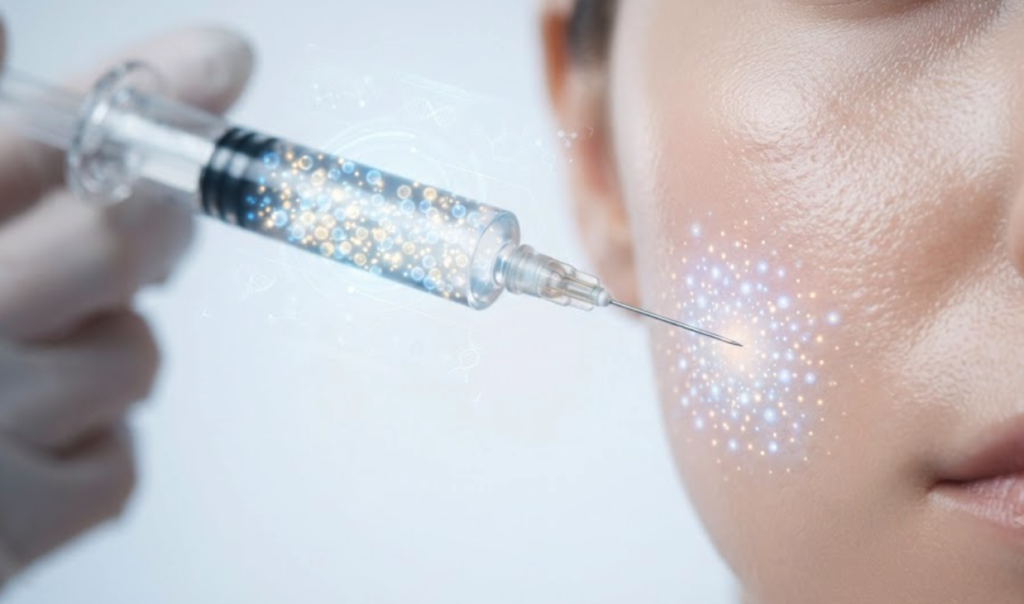
Korean Skin Booster Culture: Why Koreans Love Natural Injectable Treatments 💉

✨ 4. Chanel Injection (NCTF): The Korean “Glow Shot”

Often called the “Chanel Injection,” this booster contains:

  • Vitamins
  • Amino acids
  • Hyaluronic acid
  • Minerals
  • Coenzymes

Benefits

  • Brightening
  • Hydration
  • Radiance
  • Skin vitality

Why Koreans love it

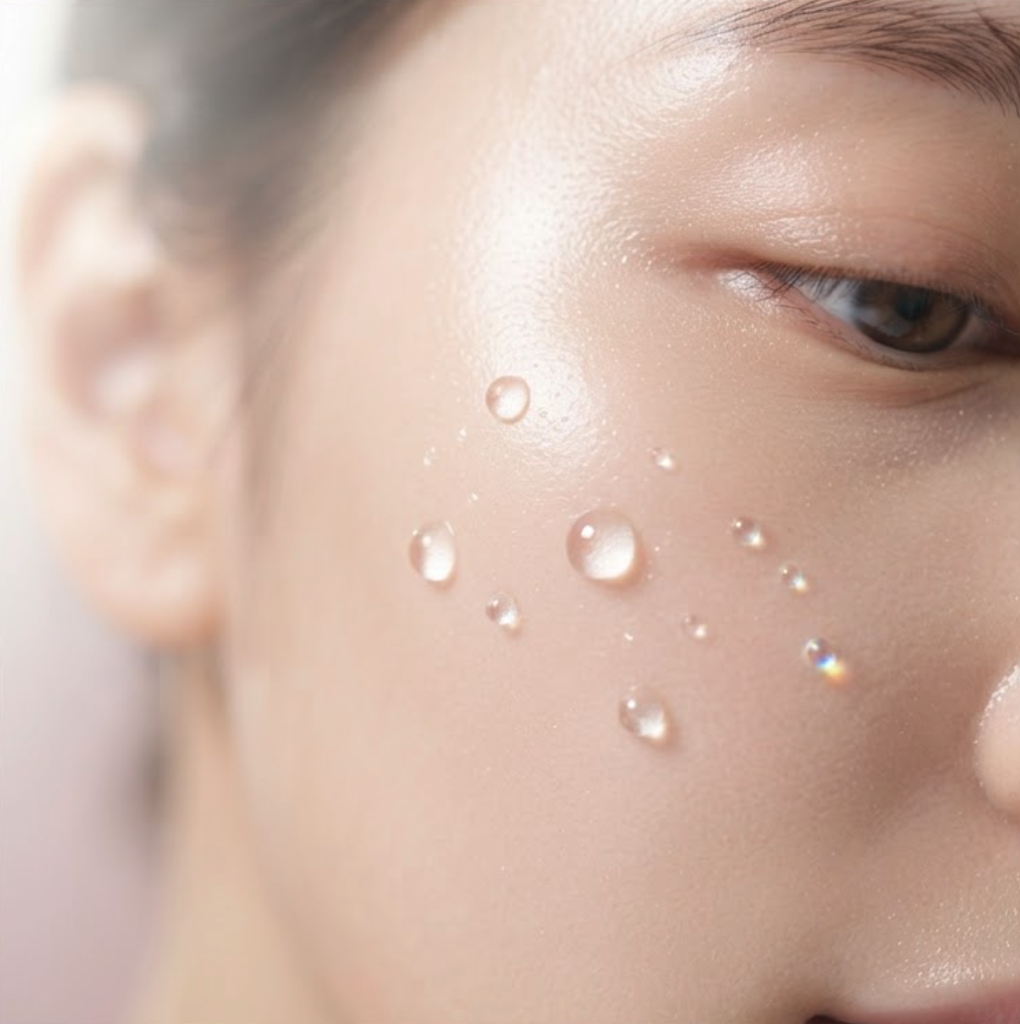
It creates the famous Korean glass skin effect.

🔥 5. Why Koreans Prefer Natural Injectable Treatments

✔ Subtle, natural results

Koreans avoid overly dramatic changes.

✔ Skin-first philosophy

Healthy skin is more important than heavy makeup.

✔ Works well with laser treatments

Boosters enhance recovery and results.

✔ Preventive anti-aging

Koreans start early to maintain youthful skin.

✔ No downtime

Most boosters allow people to return to daily life immediately.

🌈 6. Who Gets Skin Boosters in Korea?

  • Women in their 20s for prevention
  • Men for pore and texture improvement
  • People in their 30s–40s for anti-aging
  • Laser patients for faster recovery
  • Foreigners seeking natural results

Skin boosters are one of the most common treatments among Korean dermatology patients.

Skin boosters represent the heart of Korean beauty culture:

natural, subtle, and focused on long-term skin health.

Whether it’s Exosome for regeneration, Rejuran for healing, or Chanel Injection for glow, these treatments help Koreans maintain youthful, radiant skin without changing their facial structure.

For anyone exploring Korean beauty, skin boosters are one of the most effective—and uniquely Korean—treatments to try.

🔗 Recommended Links

  • K‑Beauty Community (English)

https://en.kbeautycommunity.com

Share this article

Related


Discover more from aboutkorea8282.com

Subscribe to get the latest posts sent to your email.

Tags:

Chanel Injection KoreaExosome KoreaKorea Beauty MediKorean Anti-AgingKorean Skin BoosterNatural Injectable TreatmentsRejuran Healer
Author

Kim M.H

Follow Me
Other Articles
Previous

Korean Hairline Beauty: Why Koreans Care About Forehead Shape 💇‍♀️

Next

Korean Laminate Beauty: Why Koreans Choose Laminate for a Perfect Smile

No Comment! Be the first one.

Leave a Reply Cancel reply

You must be logged in to post a comment.

Your Guide to Korea

Practical, up-to-date guides for travelers, expats and anyone curious about Korea — from visas, health insurance and places to stay to Korean food, beauty clinics and everyday culture.

Is there something about Korea you want to know that we haven’t covered yet? Send us a message and we’ll look into it for you.

✉️ Contact us by email

Never Miss a Guide

Get our newest Korea guides by email. It's free, and you can unsubscribe anytime.

Search

Latest Stories

  • Line-art calendar with a heart next to the title Korean Couple Anniversary Days on an ivory background
    Korean Couple Anniversary Days: 100 Days, the 14th of Every Month and Christmas for CouplesNovember 26, 2026
  • Cover reading Jjimjilbang 101, a first-timer’s guide: what to wear, the rules and prices in Seoul, above photos of folded towels and a locker key on a coiled band
    Jjimjilbang in Seoul for Foreigners: What to Wear, Etiquette, Prices and Staying OvernightNovember 23, 2026
  • Korean fried chicken in a basket with the words Hungry at 11 p.m.? How to order delivery in Korea, step by step
    How to Order Food Delivery in Korea as a Foreigner (Baemin in English, Foreign Cards, No Korean Number)November 23, 2026
  • Korean lunch table with bibimbap, banchan side dishes and stew, with the words What's for lunch today?
    Korean Office Lunch: What Korean Office Workers Really Eat for Lunch (From 10 Years in a Seoul Office)November 19, 2026
  • Korea ski resorts 2026-27 opening dates for Phoenix, Yongpyong and High1
    Korea Ski Resorts 2026-27: Opening Dates, Ski Resorts Near Seoul and Tips for BeginnersNovember 19, 2026

Explore by Topic

  • 🏠 Living in Korea
    Visas, health insurance, housing and daily life tips
  • 🍜 Korean Food
    Must-try dishes, restaurants and food culture
  • 💆 Korea Beauty Medi
    Skin care, clinics and K-beauty treatments
  • 🇰🇷 Just Korea
    Culture, trends and only-in-Korea stories

About This Site

Practical, up-to-date guides for travelers, expats and anyone curious about Korea — from visas, health insurance and places to stay to Korean food, beauty clinics and everyday culture.

✉️ Contact us by email

Affiliate Disclosure

Categories

  • Just Korea
  • Korea Beauty Medi
  • Korean Food
  • Living in Korea
  • Uncategorized

Archives

  • November 2026 (19)
  • October 2026 (21)
  • September 2026 (3)
  • August 2026 (49)
  • July 2026 (24)

Stay Updated

Get new posts by email. It’s free, and you can unsubscribe at any time.

Copyright 2026 — aboutkorea8282.com. All rights reserved. Blogsy WordPress Theme
English
Japanese Chinese (China) Chinese (Taiwan) French Spanish Indonesian Hindi Russian Mongolian Vietnamese Thai German Turkish Portuguese Italian Polish Arabic Korean