

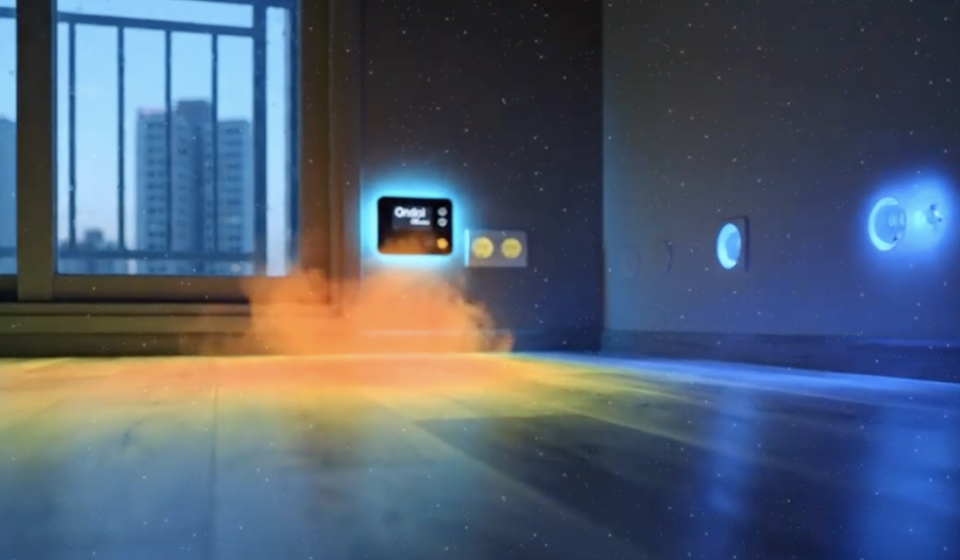
Can AI Really Reduce Your Heating Bills? South Korea’s New Smart District Heating System Explained

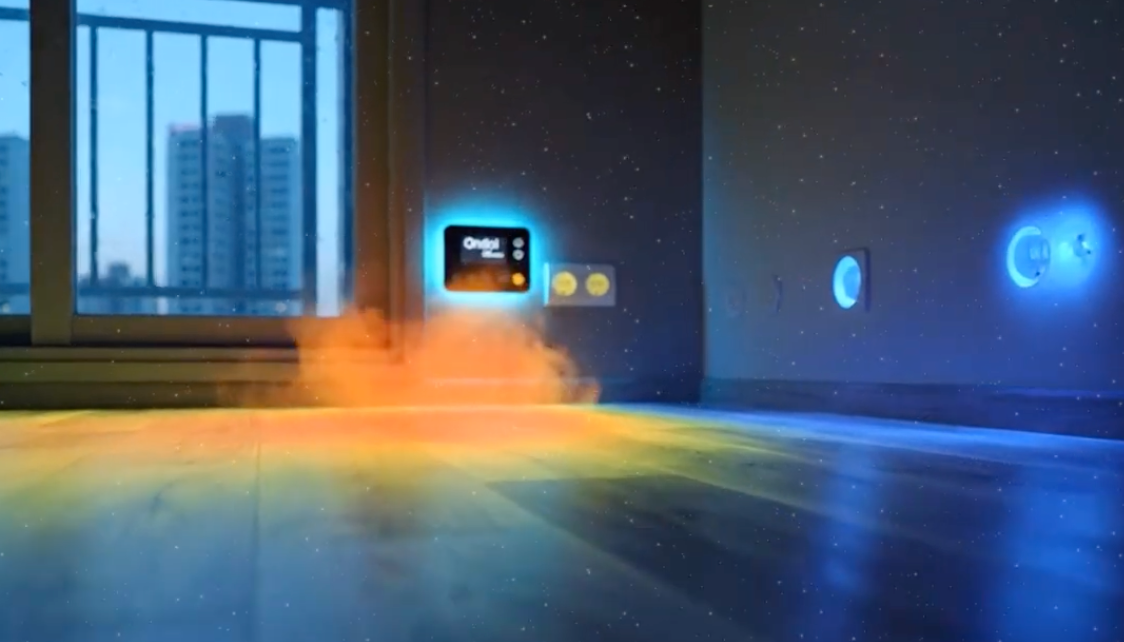
Think about your monthly apartment maintenance bill. Your eyes probably stop at the heating cost. But have you ever wondered whether all the heat being supplied actually reaches your home?
In South Korean apartments connected to district heating, heating and hot water have traditionally been supplied through four separate pipes. Now, Korea Land and Housing Corporation, known as LH, has developed a system that combines these pipes into one integrated network.
The system also uses artificial intelligence to predict how much heat each household needs and supply only that amount.
Instead of calculating how much heat to send from the supply side, the system first calculates how much each home actually needs.

According to LH, pilot apartments used approximately 6.9% less heating and hot water than neighboring apartment complexes. At the design stage, the projected energy savings were 9%.
But there is an important distinction: these are energy consumption figures. LH has not reported how much money residents actually saved on their monthly heating bills.
And this system is not being installed in apartments where people already live. Its initial rollout is planned for new LH developments.
So, can AI really put an end to wasted heating?
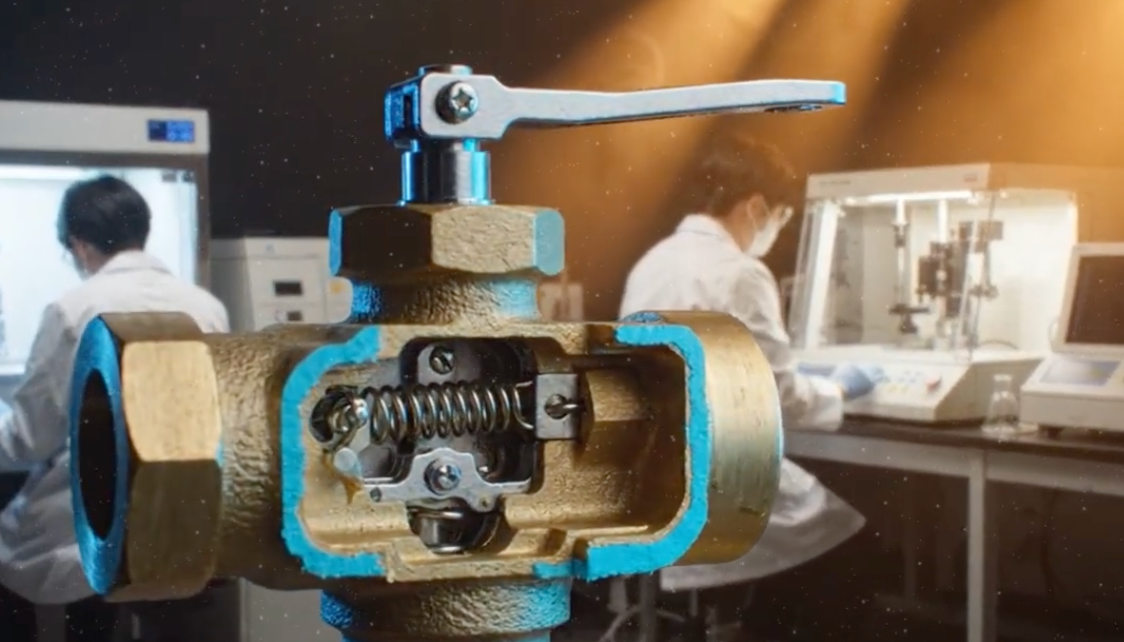
Why Does This Matter to Korean Apartment Residents?
According to data from the Korea Energy Economics Institute, approximately 15.2% of Korean households used district heating in 2020. That means roughly 15 out of every 100 households.
By comparison, 66.6% used individual gas boilers.
In an apartment connected to district heating, there is no separate heating boiler inside each home. Instead, hot water travels from a remote heating facility through pipes into the apartment complex and eventually into individual homes.
As the end of October approaches, many residents begin facing the same question in front of their thermostat: Should I turn up the heat, or should I put up with the cold a little longer?
In some homes, children complain that it is too warm while the bedrooms still feel chilly. This reflects a familiar problem: heat may not be distributed evenly, even within the same apartment.
But there is an unexpected benefit to this new technology. Reducing the number of pipes may save more than just energy.
We will get to that shortly.
The answer comes from LH. In November 2025, Korea Land and Housing Corporation announced the results of its AI-based smart integrated piping system for district-heated apartment complexes.
The technology was tested at three locations: Asan Tangjeong Complex 2 in South Chungcheong Province, and Hwaseong Neungdong and Seongnam Bokjeong 1 in Gyeonggi Province.
Previously, LH apartment complexes used separate pipes for space heating and domestic hot water, resulting in four pipes in total.
The new integrated system combines them into a single pipe network. A smart device installed in each household then calculates how much heat that home needs before adjusting the supply.
LH calls this device a smart heat unit. It delivers both space heating and hot water, while AI controls the water temperature and flow in real time.
The Unexpected Benefit: Fewer Pipes, Lower Building Costs
Remember the benefit we mentioned earlier? It is construction cost.
Because the piping is simpler, LH says construction costs at the pilot complexes fell by an average of 7.7% compared with the conventional four-pipe system. That works out to about 156,000 won per household.
Fewer pipes also mean a simpler system inside the building. LH has noted that the old setup, with separate lines for heating and hot water, was more complicated to manage.
LH also found that the system works better in stair-type apartment buildings, where a few homes share each stairwell, than in corridor-type buildings with long shared hallways.
When Will It Reach More Apartments?
LH plans to apply the integrated piping system step by step, starting with new housing projects that apply for approval from 2026.
That means residents of existing apartments will not see this change soon. For now, it is a technology for newly built LH homes.
So, Can AI Really Lower Your Heating Bill?
The early numbers are encouraging: about 6.9% less heating and hot water use in the pilot complexes, plus lower construction costs. But LH has not yet shown how much residents save on their monthly bills, so the real answer will come after people have lived in these new homes through a few winters.
If you live in a district-heated apartment in Korea, keep an eye on this technology. It could change how heat is shared between homes, and between rooms, in the years ahead.
Sources: LH’s announcement on its AI-based smart integrated piping system (November 2025), as reported by Korean news media.
Discover more from aboutkorea8282.com
Subscribe to get the latest posts sent to your email.


